


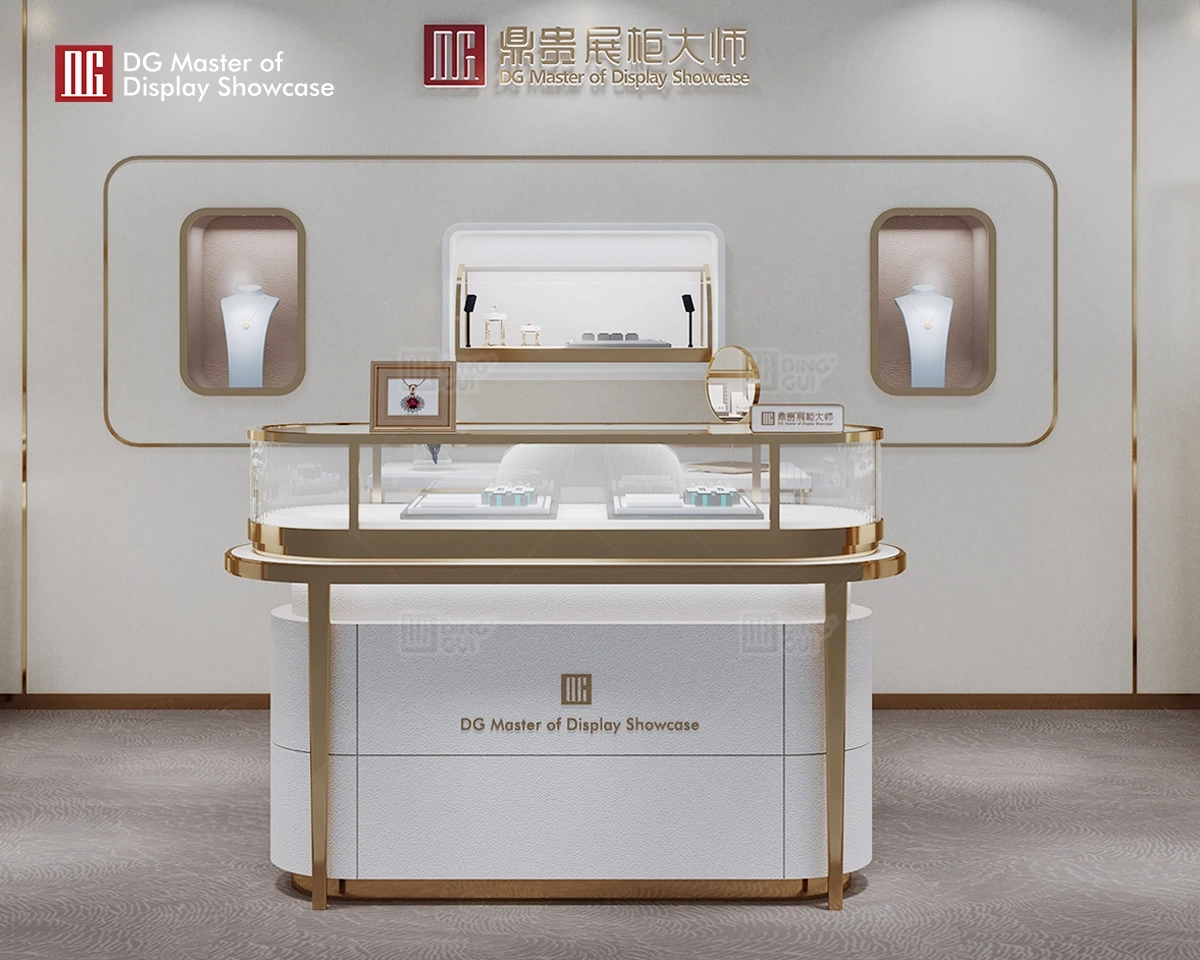
Museum showcases need to provide a clear view of artifacts while supporting protection, security, and long-term exhibition requirements. The materials selected for their construction can influence durability, appearance, environmental stability, maintenance, and visitor visibility.
When evaluating Museum Showcase Manufacturers, museums should look at the materials used throughout the showcase rather than focusing only on its exterior appearance. Glass, metals, wood-based panels, acrylic, interior fabrics, seals, and finishing materials each serve specific purposes within the enclosure.
Glass for Visibility and Protection
Glass is one of the most important materials in a museum showcase because it separates visitors from the displayed objects while maintaining visibility.
Different glazing specifications can provide different characteristics, including strength, optical clarity, reflection control, and protection from certain wavelengths of light. The appropriate choice depends on the type of artifact and the requirements of the exhibition.
Metal for Structural Frames
Metal is commonly used for structural frames, supports, trims, hinges, and other components. Aluminum and steel can provide strength while allowing manufacturers to create relatively precise and stable structures.
The metal finish can also contribute to the visual appearance of the exhibition. Options such as powder coating, anodizing, or other treatments may be selected according to the design requirements.
Wood and Engineered Panels
Wood-based materials can be used for showcase bases, cabinets, backing panels, and decorative sections. Engineered panels can provide consistent dimensions and surfaces for finishing.
Veneers, laminates, paints, and other surface treatments can be applied to coordinate the showcase with the wider exhibition environment. For museum applications, the suitability of the selected materials should be considered carefully, particularly around sensitive artifacts.
Acrylic for Lightweight Components
Acrylic can be useful for certain internal display elements, dividers, risers, and protective components. It offers transparency and can be fabricated into different shapes.
Because acrylic may be more vulnerable to scratching than some types of glass, its use should be based on the intended location, handling requirements, and maintenance conditions.
Fabrics for Interior Presentation
Interior fabrics can provide a neutral or contrasting background for artifacts. Materials such as museum-grade textiles or carefully selected upholstery may be used on display platforms, panels, or other surfaces.
The fabric should complement the artifact without becoming a distraction. For conservation-sensitive collections, its material composition and suitability should be reviewed before installation.
Sealants and Gaskets
Seals and gaskets are important components when a showcase needs controlled internal conditions. They can help reduce unwanted air exchange and limit the entry of dust or pollutants.
The selected sealant or gasket material should be compatible with the showcase design and any environmental-control requirements. Proper installation is just as important as the material itself.
Adhesives and Construction Materials
Adhesives may be used to join or secure various showcase components. In museum applications, the selection of adhesives can require greater attention than in ordinary display furniture.
Some artifacts are sensitive to chemical emissions, so manufacturers and conservation teams may need to consider the curing characteristics and long-term suitability of adhesives used near the collection.
Interior Mounting Materials
Artifacts often require specialized mounts to remain stable within the showcase. These mounts can be made from metals, acrylics, plastics, foams, fabrics, or other carefully selected materials.
The mount should support the object securely while remaining as unobtrusive as possible. Its design should also allow staff to handle or remove the artifact according to established procedures.
Finishing Materials
Finishes affect both the appearance and practical performance of a showcase. Powder-coated metals, painted panels, laminates, veneers, and other surface treatments can be used to achieve the desired exhibition aesthetic.
The finish should be durable enough for regular cleaning and visitor-facing use while remaining compatible with the overall design.
Lighting Components
Lighting systems form another important part of a modern museum showcase. LED fixtures are often incorporated into the enclosure because they can provide controlled illumination in a compact format.
Lighting components may include fixtures, lenses, diffusers, wiring, controls, and mounting hardware. These elements should be integrated carefully to avoid excessive glare or unnecessary heat around sensitive objects.
Environmental Control Materials
Some showcases require materials and components that support a controlled microenvironment. This may involve sealed glazing, gaskets, filters, humidity-control materials, or monitoring equipment.
The exact combination depends on the conservation requirements of the collection. Environmental features should be planned alongside the main structure rather than added after manufacturing is complete.
Choosing Materials Based on Artifact Type
Different collections can have very different material requirements. For example, paper-based artifacts may have different light and environmental considerations than stone, metal, ceramics, or textiles.
Before selecting materials, the museum should identify:
- Artifact composition
- Sensitivity to light
- Humidity requirements
- Temperature considerations
- Required security level
- Mounting requirements
- Expected handling frequency
- Exhibition duration
This information can guide the selection of appropriate showcase materials.
Balancing Appearance With Conservation
A museum showcase needs to look appropriate within the exhibition while serving a protective function. Highly reflective finishes, unsuitable fabrics, or visually distracting materials may interfere with the presentation.
The exterior design should therefore be considered alongside the artifact and exhibition concept. Neutral materials and carefully selected finishes can provide a background that supports the object without competing for attention.
Considering Durability and Maintenance
Showcase materials need to withstand routine cleaning, maintenance, installation adjustments, and visitor-facing use. High-contact components such as doors, locks, handles, and frames may require particularly durable finishes.
Museums should also consider whether individual components can be repaired or replaced without replacing the entire showcase.
Request Material Specifications
Before approving a showcase, ask the manufacturer for detailed information about the materials being proposed. Useful documentation may include:
- Glass type and specifications
- Frame materials
- Interior surface materials
- Sealants and gaskets
- Adhesives
- Mounting components
- Surface finishes
- Lighting components
- Environmental-control materials
Detailed specifications allow curators, designers, and conservation professionals to review the proposed construction more effectively.
Work With an Experienced Manufacturer
Material selection becomes more effective when it is connected to the complete showcase design. The manufacturer should understand how structural materials, glazing, lighting, security, environmental features, and interior components work together.
DG Display Showcase can be evaluated according to its proposed material specifications and ability to accommodate the technical requirements of a particular museum project.
Final Thoughts
The materials used by museum showcase manufacturers play an important role in the performance and appearance of exhibition enclosures. Glass provides visibility and protection, metals create structural support, wood-based materials contribute to construction and finishes, while specialized interior components support artifact presentation.
Museums should evaluate each material according to its intended function, conservation requirements, durability, maintenance needs, and compatibility with the exhibition design. A detailed material review before production can help create showcases that are both practical and appropriate for long-term museum use.