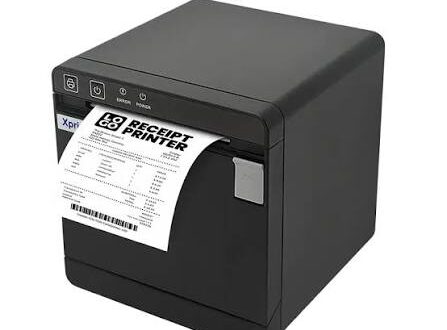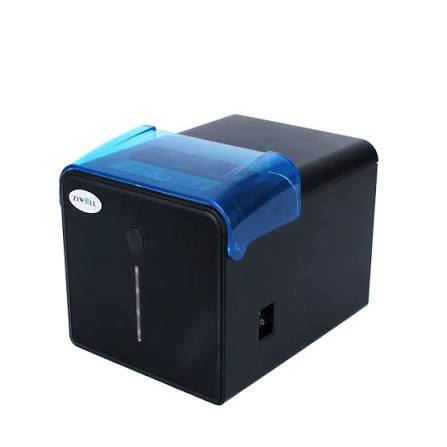
Receipt printers are essential tools for businesses that process daily transactions, including retail stores, restaurants, supermarkets, pharmacies, and service providers. Their performance affects checkout speed, transaction accuracy, and the ability to maintain reliable sales records. As businesses adopt more advanced point-of-sale (POS) systems, the demand for dependable printing equipment continues to grow.
However, the quality of a receipt printer depends on more than its technical specifications. Manufacturing expertise, component selection, production standards, software compatibility, and after-sales support all contribute to product performance. Choosing a capable Receipt Printer Manufacturer requires businesses to examine these factors carefully rather than relying only on product appearance or initial purchase price.
1. Strong Research and Development Capabilities
Research and development (R&D) play an important role in producing reliable and competitive receipt printers. Manufacturers need to understand changing business requirements and translate them into practical product improvements.
An established R&D team may work on improving printing mechanisms, reducing device dimensions, optimizing power consumption, and developing more flexible connectivity options.
Engineering teams also evaluate how different components interact and identify potential design weaknesses before products enter mass production.
A manufacturer’s investment in product development can indicate its ability to respond to technological changes and support evolving customer requirements.
2. High-Quality Components and Materials
<AsyncImage query=”thermal receipt printer internal electronic components printhead circuit board paper feed mechanism” aspectRatio=”16:9″ maxHeight={190}/>
The quality of individual components directly affects a printer’s durability and operating performance. Even a well-designed product can experience frequent problems if it uses unreliable electronic or mechanical parts.
Important components include:
- Thermal printhead: Responsible for producing text and graphics on thermal paper.
- Platen roller: Helps move paper through the printing mechanism.
- Main control board: Coordinates printing functions and device communication.
- Automatic cutter: Separates printed receipts in models equipped with cutting mechanisms.
- Power components: Provide stable electrical operation.
- Housing materials: Protect internal parts and support the overall structure.
A high-quality manufacturer should have clear component specifications and procedures for inspecting incoming materials. Consistent sourcing helps reduce production variations and improve finished product reliability.
3. Well-Designed Printing Mechanisms
The printing mechanism is central to receipt printer performance. Its design influences printing speed, output clarity, paper movement, and maintenance requirements.
In direct thermal models, the printhead applies controlled heat to specially coated paper. The platen roller and paper-feeding system must work together to maintain consistent movement through the printing area.
Manufacturers need to consider printhead alignment, pressure distribution, heat management, and mechanical wear during product development.
For models with automatic cutters, the cutting mechanism must also perform reliably over repeated operating cycles. A carefully engineered printing system helps reduce common problems such as uneven printing, paper jams, and incomplete cutting.
4. Consistent Manufacturing and Assembly Standards
A capable manufacturer should maintain organized production procedures that support repeatable product quality. Assembly accuracy is particularly important because receipt printers combine electronic circuits, mechanical parts, and precision printing components.
Production teams need clear assembly instructions, appropriate tools, and inspection procedures at different stages.
Manufacturing consistency can be evaluated by examining:
- Component installation accuracy.
- Electrical connection quality.
- Mechanical alignment.
- Enclosure fit and finish.
- Firmware installation procedures.
- Final functional testing.
Well-managed production processes help ensure that products from different manufacturing batches deliver comparable performance.
5. Comprehensive Quality Control and Testing
<AsyncImage query=”electronics factory technician testing thermal receipt printer printing quality on production line” aspectRatio=”16:9″ maxHeight={190}/>
Quality control is one of the most important factors distinguishing reliable manufacturers from less consistent suppliers. Testing should cover both individual components and fully assembled devices.
A typical quality-control process may include incoming material inspection, PCB testing, mechanical checks, printing evaluations, and final product verification.
Important performance tests can cover:
- Printing speed and text clarity.
- Paper-feeding accuracy.
- Cutter operation.
- Connectivity stability.
- Power and electrical performance.
- Repeated printing cycles.
- Operating temperature and environmental conditions.
The exact testing requirements depend on the printer model and its intended application. Buyers should ask manufacturers which tests they perform and whether inspection results are documented.
6. Support for Different Printing Technologies
Businesses have different printing requirements, so a manufacturer should understand the strengths and limitations of relevant printing technologies.
Direct Thermal Technology
Direct thermal printers use heat-sensitive paper and do not require ink cartridges or toner. They are widely used for everyday transaction receipts because of their relatively simple operation and low consumable complexity.
Impact Printing Technology
Impact printers use mechanical printheads and ink ribbons. They can be suitable for applications involving multi-part forms or particular paper requirements.
A manufacturer with experience across different product categories may be better positioned to recommend equipment based on business needs instead of offering a single solution for every application.
7. Flexible Connectivity and POS Compatibility
Modern receipt printers need to communicate with a variety of POS terminals, computers, tablets, and other business devices.
Common connectivity options include USB, Ethernet, Bluetooth, Wi-Fi, and serial interfaces. The most suitable option depends on the checkout environment and the software being used.
A high-quality manufacturer should provide accurate compatibility information and appropriate technical documentation.
Other useful capabilities may include:
- Drivers for supported operating systems.
- Compatibility with relevant POS applications.
- Support for common printing command sets.
- Software development resources where applicable.
- Configuration tools and installation guidance.
These features help businesses integrate printers into their existing systems and reduce setup difficulties.
8. Printing Speed and Output Consistency
Printing speed is especially important for businesses that process a large number of transactions. Slow printing can create delays at checkout counters and affect service efficiency during busy periods.
However, high speed alone does not define product quality. A printer should maintain clear text, accurate alignment, and consistent paper movement while operating at its specified performance level.
Manufacturers should provide realistic printing specifications and explain the conditions under which those figures are measured.
Buyers can also request sample prints to assess the quality of text, graphics, and barcode output where supported.
9. Durable Design for Different Working Environments
Receipt printers are used in environments with different operating conditions. A device installed in a small office may experience less intensive use than one placed at a busy supermarket checkout.
A high-quality manufacturer considers the intended working environment when selecting materials and designing the product.
Important considerations include enclosure strength, printhead durability, heat management, paper-feeding reliability, and resistance to regular handling.
Businesses operating in restaurants or industrial settings may also need to consider exposure to dust, moisture, or other environmental conditions.
The manufacturer’s product documentation should clearly explain the recommended operating conditions and any relevant protection ratings.
10. Customization and OEM/ODM Services
Some buyers require customized printing equipment to meet particular branding, technical, or distribution requirements.
OEM services generally involve producing equipment according to a customer’s specifications or brand requirements. ODM services may involve adapting an existing product design or developing a customized solution.
Depending on the manufacturer’s capabilities, customization may include:
- Exterior colors and product branding.
- Customized packaging and labels.
- Interface configurations.
- Firmware adjustments.
- Product dimensions or structural changes.
- Accessories and documentation.
A reliable manufacturer should explain which options are technically feasible, whether minimum order quantities apply, and how customization affects costs and lead times.
11. Production Capacity and Delivery Reliability
Manufacturing capability also includes the ability to fulfill orders consistently. Businesses purchasing equipment in bulk need suppliers that can manage production schedules and maintain product availability.
Buyers should evaluate factory capacity, inventory arrangements, component supply chains, and the manufacturer’s experience with repeat orders.
Useful questions include:
- What is the typical production lead time?
- Can the factory handle large-volume orders?
- Are customized products subject to longer schedules?
- How are production delays communicated?
- Can the manufacturer support recurring orders?
Realistic delivery commitments and organized production planning help businesses manage procurement more effectively.
12. Relevant Certifications and Regulatory Compliance
Receipt printers sold in different markets may be subject to electrical safety, electromagnetic compatibility, and environmental requirements.
A high-quality manufacturer should understand the compliance obligations relevant to its target markets and provide appropriate supporting documentation.
Buyers should check whether the manufacturer can supply valid certificates, test reports, and product declarations where required.
It is important to verify that documentation applies to the specific model and configuration being purchased. Compliance requirements can vary depending on the destination country and applicable regulations.
13. Transparent Pricing and Commercial Terms
Competitive pricing matters, but buyers should not evaluate manufacturers solely on the lowest quotation. A low-cost product may lack important features, require more frequent repairs, or involve higher long-term operating expenses.
A professional manufacturer should provide a clear quotation explaining product specifications, order quantities, customization costs, packaging, and delivery arrangements.
Businesses should also compare warranty conditions, payment terms, replacement policies, and any additional service charges.
Evaluating the total cost of ownership provides a more accurate understanding of the product’s overall value.
14. Reliable After-Sales Service and Technical Support
<AsyncImage query=”technical support engineer servicing thermal receipt printer at electronics repair workstation” aspectRatio=”16:9″ maxHeight={190}/>
Technical support is particularly important when receipt printers are essential to daily business transactions. Equipment failures can interrupt checkout operations and create unnecessary delays.
A reliable manufacturer should offer clear support procedures and make relevant technical resources available to customers.
Support services may include:
- Product installation guidance.
- Driver and firmware information.
- Troubleshooting instructions.
- Warranty and repair services.
- Replacement components.
- Remote technical assistance.
Businesses should review the manufacturer’s support response process and understand how faults are handled during and after the warranty period.
15. Effective Communication and Customer Understanding
A manufacturer’s ability to understand customer requirements is another important indicator of professionalism. Buyers often need assistance comparing product models, checking compatibility, selecting interfaces, and planning customized orders.
Clear communication helps prevent misunderstandings and reduces the risk of ordering equipment that does not meet operational needs.
A dependable manufacturing partner should answer technical questions accurately, provide complete product information, and communicate any limitations before an order is confirmed.
This becomes especially important when working with international suppliers across different time zones and business environments.
16. Commitment to Continuous Product Improvement
Technology and customer expectations continue to change. POS systems are becoming more connected, mobile transactions are expanding, and businesses increasingly expect flexible printing solutions.
Manufacturers that regularly review product performance and customer feedback can identify opportunities to improve their equipment.
Improvements may involve more efficient printing mechanisms, updated firmware, better connectivity, simplified maintenance, or more durable components.
A commitment to continuous improvement helps manufacturers remain relevant while supporting the changing needs of commercial customers.
17. How Businesses Can Evaluate a Manufacturer Before Purchasing
Understanding the characteristics of a high-quality manufacturer is useful, but buyers should also follow a practical evaluation process before placing an order.
A structured approach may include:
- Define requirements: Identify printing volume, paper format, connectivity, and intended applications.
- Compare manufacturers: Review product ranges, technical capabilities, and manufacturing experience.
- Request documentation: Examine specifications, certifications, warranty terms, and support information.
- Test samples: Evaluate printing quality, compatibility, paper handling, and general operation.
- Review commercial terms: Confirm pricing, minimum order quantities, lead times, and shipping arrangements.
- Assess support: Understand how the supplier handles technical issues and product defects.
This process allows businesses to compare manufacturers using practical criteria rather than relying on promotional claims.
Conclusion
A high-quality receipt printer manufacturer is defined by a combination of engineering expertise, reliable components, consistent production, comprehensive testing, and effective customer support. Connectivity, POS compatibility, customization options, regulatory compliance, and production capacity also influence the value a manufacturer can provide.
Businesses should evaluate these factors together when selecting a supplier. By reviewing technical documentation, testing sample products, and examining long-term support arrangements, buyers can make more informed purchasing decisions and establish manufacturing relationships that support reliable business operations.