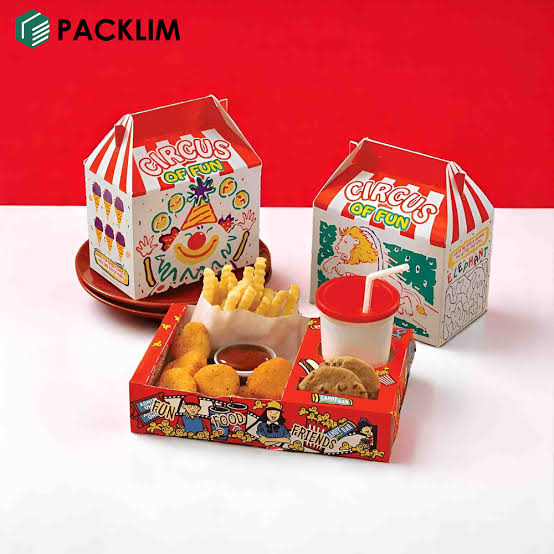
Environmental sustainability has become an important consideration for the food service industry. Restaurants, takeaway businesses, and food delivery companies are increasingly looking for packaging solutions that protect meals while reducing unnecessary environmental impact. Traditional disposable packaging can contribute to waste problems, making material selection and responsible disposal important parts of modern food business operations.
Eco-friendly Fast Food Boxes offer an alternative approach by incorporating materials and designs intended to support more responsible packaging practices. Options such as paper-based containers, recyclable packaging, and appropriately certified compostable materials can help businesses improve their packaging strategies. Understanding how these solutions work can help restaurants make better decisions about food protection, resource consumption, and waste management.
What Are Eco-Friendly Fast Food Boxes?
Eco-friendly fast food boxes are food packaging products designed to reduce environmental impact through material selection, manufacturing methods, efficient construction, or end-of-life management.
These boxes may be manufactured using responsibly sourced paper, recycled fibers where appropriate, or other materials designed for specific recovery or disposal systems.
Their main purpose is to provide practical food packaging while considering environmental factors throughout the product lifecycle.
However, not every paper-based or biodegradable container is automatically sustainable. Businesses should evaluate material composition, protective coatings, manufacturing processes, transportation, and local waste management facilities before selecting a product.
1. Reducing Dependence on Conventional Plastic Packaging
One important way eco-friendly packaging supports sustainability is by providing alternatives to certain conventional plastic containers.
Paperboard and kraft paper are commonly used in takeaway packaging because they can be formed into different shapes and structures. They are suitable for products such as burgers, sandwiches, fries, and selected meal combinations when properly designed.
Replacing some conventional plastic packaging with suitable fiber-based alternatives can help reduce dependence on fossil-based raw materials.
However, the overall environmental benefit depends on factors such as material sourcing, manufacturing energy, transportation, and disposal infrastructure.
2. Supporting Responsible Material Sourcing
Sustainable packaging begins with the materials used in manufacturing. Responsibly sourced paper fibers can help businesses make more informed packaging choices.
Manufacturers may use paper from managed forests or incorporate recycled fiber into suitable packaging applications.
Responsible sourcing involves considering how raw materials are obtained and whether their production supports long-term resource management.
Restaurants purchasing food packaging should ask suppliers about material origins, relevant certifications, and the availability of product documentation.
These details provide a clearer understanding of the environmental claims associated with packaging products.
3. Encouraging Recycling and Material Recovery
Recycling allows certain packaging materials to be processed and used in the production of new products. Paper-based food boxes may be recyclable when their material composition and condition are compatible with local recycling systems.
However, food contamination can affect recycling suitability. Containers covered with grease, oils, or food residues may not be accepted by some recycling facilities.
Businesses can support better waste management by:
- Selecting packaging designed for available recycling systems.
- Providing appropriate waste separation facilities.
- Communicating disposal instructions to customers.
- Avoiding unnecessary material combinations.
- Checking local recycling requirements before making packaging claims.
Clear disposal guidance helps customers understand how to handle used food packaging responsibly.
4. Exploring Compostable Food Packaging Options
Compostable packaging is another development in sustainable food service operations. Certain food boxes are manufactured using materials designed to break down under specific composting conditions.
These products may be suitable for businesses operating in areas with established composting facilities.
It is important to distinguish between compostable, biodegradable, and recyclable materials. These terms describe different properties and do not guarantee the same environmental outcome.
Some compostable products require industrial composting facilities and may not break down effectively in ordinary household environments or landfills.
Restaurants should therefore verify relevant certifications and disposal requirements before choosing compostable packaging.
5. Minimizing Unnecessary Packaging Waste
Reducing packaging waste is not only about choosing different materials. It also involves using the right amount of packaging for each food product.
Oversized containers can consume more material than necessary and occupy additional storage and transportation space.
Restaurants can reduce unnecessary packaging by selecting appropriately sized boxes for their menu items.
For example, compact containers may be sufficient for individual burgers, while larger meal combinations may require more spacious designs.
Efficient packaging dimensions can support better material utilization without compromising food protection.
6. Improving Packaging Efficiency Through Better Design
Packaging design has a direct influence on material consumption and product performance.
Modern manufacturing methods allow manufacturers to develop food boxes with carefully designed folds, reinforced corners, and efficient structural arrangements.
These features can provide sufficient strength without relying on excessive material thickness.
Flat-packed designs are another useful example. They can reduce storage requirements before assembly and help businesses organize larger packaging inventories.
Well-designed boxes also support efficient transportation by allowing containers to be stacked and handled more easily.
7. Protecting Food and Reducing Food Waste
Sustainable food packaging should protect meals effectively. A container that uses environmentally preferable materials but fails to protect food may contribute to additional food waste.
Food production requires resources such as water, energy, agricultural land, and transportation. When meals become damaged or spoiled during delivery, those resources may also be wasted.
Suitable packaging helps reduce these problems by providing:
- Adequate structural strength.
- Appropriate moisture resistance.
- Grease protection.
- Secure closures.
- Suitable ventilation.
- Proper dimensions for different food portions.
The packaging must be selected according to the specific characteristics of the food rather than relying on one design for every application.
8. Supporting Sustainable Restaurant Operations
Eco-friendly packaging can become part of a restaurant’s wider sustainability strategy.
Businesses can review their packaging inventory and identify opportunities to reduce material consumption, improve waste separation, and select products that are compatible with local disposal systems.
Practical measures include:
- Auditing current packaging usage.
- Identifying unnecessary packaging layers.
- Selecting suitable materials for different menu items.
- Working with suppliers that provide reliable product information.
- Educating employees about packaging storage and waste separation.
- Reviewing customer feedback about packaging performance.
These steps can help restaurants introduce more responsible packaging practices without disrupting daily operations.
9. Enhancing Brand Reputation and Customer Awareness
Many consumers pay attention to how businesses manage packaging waste and environmental responsibilities.
Restaurants that make informed packaging choices can communicate their sustainability efforts through product labels, packaging information, and customer education.
For example, businesses may explain whether their containers are recyclable or compostable and provide clear disposal instructions.
However, environmental claims should be accurate and supported by appropriate evidence. General terms such as green, natural, or biodegradable should not be used to suggest benefits that a product cannot demonstrate.
Transparent communication helps build customer trust and prevents misleading environmental messaging.
10. Comparing Different Eco-Friendly Packaging Materials
Different packaging materials offer different environmental and functional characteristics.
Kraft Paper
Kraft paper is widely used in takeaway packaging because of its practical strength and natural appearance. It can be suitable for sandwiches, snacks, and selected food containers.
Its environmental performance depends on sourcing, manufacturing, coatings, and available recovery systems.
Paperboard
Paperboard is commonly used for folding cartons and fast-food containers. It is lightweight, printable, and available in different thicknesses.
It can provide a practical balance between structural strength and material efficiency.
Corrugated Cardboard
Corrugated cardboard contains a fluted layer between flat paper sheets. This structure provides additional support for larger food containers and transportation packaging.
It may also be suitable for applications where stacking strength is important.
Molded Fiber
Molded fiber packaging is produced by shaping processed fibers into specific container forms. It is used for certain food trays, takeaway containers, and protective packaging applications.
Its performance depends on fiber composition, manufacturing methods, and any additional coatings or treatments.
Compostable Materials
Some packaging products are manufactured using certified compostable materials. These may be appropriate where suitable collection and composting infrastructure exists.
Businesses should always check the product’s certification and the conditions required for proper composting.
11. Important Factors When Choosing Sustainable Fast Food Packaging
Selecting environmentally responsible packaging requires more than checking whether a product is made from paper.
Restaurants should evaluate several practical factors before purchasing.
Food safety: Materials must be suitable for the intended food-contact application and comply with relevant regulations.
Durability: Packaging should maintain its structure during filling, stacking, and delivery.
Grease and moisture resistance: The container should handle the expected characteristics of the food without unnecessary leakage.
Recyclability: Businesses should confirm whether local recycling facilities accept the packaging in its actual used condition.
Compostability: Relevant certifications and available composting facilities should be verified.
Cost efficiency: Packaging should provide appropriate performance without creating unnecessary purchasing expenses.
Supplier transparency: Manufacturers should be able to provide accurate information about material composition and environmental claims.
Evaluating these characteristics helps businesses balance sustainability with everyday operational requirements.
12. The Role of Food Packaging Manufacturers in Sustainability
Manufacturers influence the environmental performance of food packaging through material selection, product design, production methods, and quality control.
They can support more responsible packaging by improving material efficiency, exploring suitable recycled fibers, reducing unnecessary components, and developing products compatible with established waste management systems.
Companies such as Uchampak operate in the food packaging industry, where material choices and packaging designs are important considerations for restaurants and takeaway businesses.
When evaluating a manufacturer, businesses should review product specifications, material certifications, production capabilities, and the accuracy of sustainability-related claims.
13. Future Trends in Sustainable Food Packaging
The food packaging industry continues to develop as businesses respond to environmental concerns, changing regulations, and customer expectations.
Several developments are expected to influence future packaging solutions.
Advanced Fiber-Based Materials
Manufacturers are exploring improved paper and molded fiber structures that provide better strength and food protection while using materials efficiently.
Improved Barrier Coatings
Research into alternative coatings aims to improve grease and moisture resistance while supporting appropriate recycling or composting pathways.
Reduced Material Consumption
Packaging designs that achieve the required strength with less material may help businesses reduce resource use and transportation weight.
Better Recycling Systems
Improved collection, sorting, and recycling infrastructure can make it easier to recover suitable packaging materials.
Greater Packaging Transparency
Businesses are increasingly expected to provide clear information about material composition, certifications, and disposal instructions.
These developments may help create packaging solutions that better balance functionality and environmental responsibility.
Conclusion
Eco-friendly food boxes support sustainable food packaging by encouraging responsible material selection, reducing unnecessary packaging, and improving waste management practices. Paperboard, kraft paper, molded fiber, and certified compostable materials offer different possibilities for restaurants seeking alternatives to conventional packaging.
However, sustainability depends on more than the material used. Food protection, manufacturing processes, transportation, recycling facilities, and disposal conditions all influence the overall environmental impact.
By selecting suitable packaging, working with transparent suppliers, and educating customers about proper disposal, restaurants and takeaway businesses can make meaningful improvements to their packaging practices while maintaining food quality and operational efficiency.