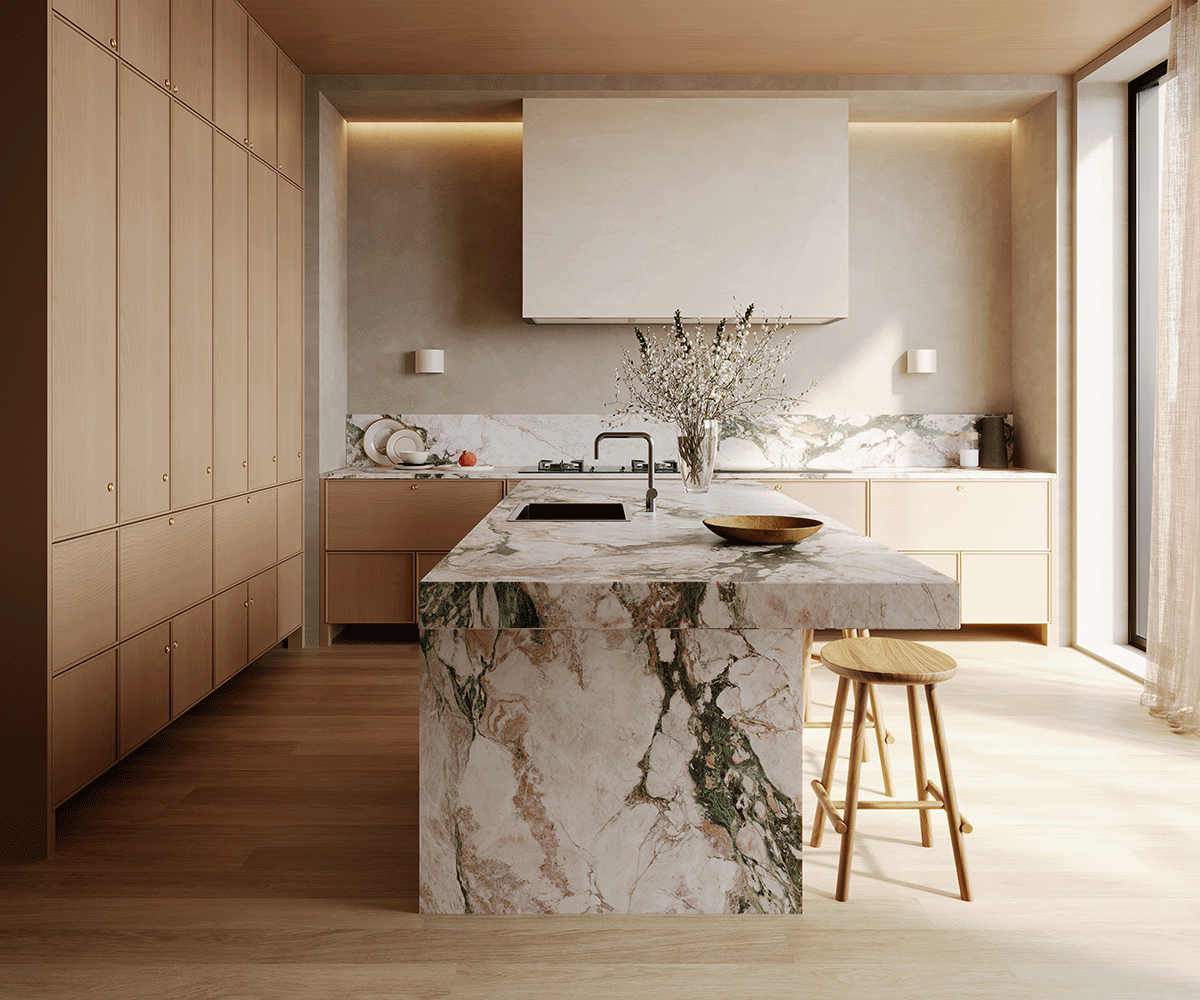
Polished tiles are widely used in modern residential, commercial, and hospitality interiors because of their reflective appearance, smooth surface, and ability to create a refined visual atmosphere. From elegant living room floors to hotel lobbies and upscale retail environments, polished ceramic and porcelain tiles can enhance the sense of brightness and sophistication within a space. However, achieving a consistent polished finish requires more than simply processing a tile until it becomes glossy. It involves careful raw material selection, controlled firing, precision grinding, surface treatment, and systematic quality inspection.
Understanding how a Polished Tiles Manufacturer achieves consistent shine and surface quality helps buyers evaluate products beyond their appearance. Manufacturing techniques, polishing equipment, production controls, and inspection standards all influence the finished result. For distributors, architects, contractors, and property developers, these factors are important when selecting polished tiles for projects where visual consistency and long-term performance matter.
1. Selecting Suitable Raw Materials
The foundation of polished tile quality begins with raw material selection. Manufacturers use carefully formulated ceramic or porcelain bodies depending on the intended product type and performance requirements.
Common raw materials include:
- Clay: Contributes to the structure and forming characteristics of the ceramic body.
- Feldspar: Acts as a flux during firing and helps develop a compact ceramic structure.
- Quartz: Helps control shrinkage and contributes to the physical properties of the finished body.
- Other mineral additives: May be used to adjust color, processing behavior, and product characteristics.
Consistent raw material composition is essential because variations can influence tile density, firing behavior, color, and surface quality. A uniform ceramic body provides a more reliable foundation for subsequent polishing operations.
2. Preparing the Ceramic Body
After raw materials are selected, they are measured, mixed, and processed into a suitable forming material. Depending on the production method, this may involve wet grinding, slurry preparation, and spray drying to create powder with controlled moisture content.
The prepared powder is then shaped into tiles using industrial pressing equipment. Consistent pressing helps maintain:
- Uniform tile thickness
- Accurate dimensions
- Suitable body density
- Consistent surface flatness
- Stable structure before firing
These characteristics are important because uneven or poorly formed tiles can create difficulties during polishing. A stable and consistent body helps manufacturers achieve more predictable finishing results.
3. Controlling the Firing Process
Firing is a critical manufacturing stage because it develops the ceramic body’s final structure and physical characteristics. Tiles pass through industrial kilns under carefully controlled temperature and time conditions.
The firing process influences density, strength, water absorption, and dimensional stability. These properties affect how the tile responds to grinding and polishing.
Important production factors include:
- Kiln temperature consistency
- Heating and cooling rates
- Firing duration
- Temperature distribution
- Tile movement through the kiln
If firing conditions are inconsistent, tiles may develop warping, uneven density, or other defects that affect the final surface. Careful kiln management helps create a suitable base for polishing.
4. Understanding the Polishing Process
Polishing is the stage that gives many polished tiles their distinctive reflective appearance. After firing and cooling, suitable tiles pass through specialized machinery equipped with abrasive materials that gradually refine the surface.
The process generally involves several stages, with progressively finer abrasives used to remove surface irregularities and improve smoothness.
Typical polishing operations include:
- Initial surface grinding
- Intermediate abrasive treatment
- Fine grinding
- Surface polishing
- Final finishing and inspection
Each stage has a specific purpose. Coarser abrasives help remove surface irregularities, while finer abrasives improve smoothness and reflectivity.
The number of polishing stages and the equipment configuration depend on the tile type, surface requirements, and manufacturing process.
5. Maintaining Consistent Shine Across Production Batches
One of the biggest challenges in polished tile manufacturing is maintaining a uniform appearance across large production quantities. Differences in abrasive condition, processing pressure, machine speed, and tile characteristics can influence the final gloss level.
Manufacturers use process controls to reduce these variations.
Important considerations include:
- Consistent polishing pressure
- Appropriate abrasive selection
- Controlled machine speed
- Regular equipment inspection
- Monitoring of polishing head performance
- Consistent tile feeding and alignment
Gloss measurements can also help manufacturers compare surface reflectivity across production batches. However, visual inspection remains important because buyers may notice differences in color, texture, and reflected light even when measured gloss values are similar.
6. Achieving Surface Smoothness and Flatness
A glossy surface is not necessarily a perfectly flat or flawless surface. Smoothness and flatness are separate characteristics that both influence the appearance and installation quality of polished tiles.
Surface smoothness relates to the fine texture of the finished face, while flatness concerns the geometry of the tile.
Manufacturers work to control both through:
- Accurate tile pressing
- Stable firing conditions
- Appropriate grinding sequences
- Correct abrasive maintenance
- Dimensional inspection
- Surface defect detection
Poor flatness can create uneven joints or lippage during installation. Surface irregularities, meanwhile, can affect reflected light and make polished tiles appear inconsistent.
Buyers should therefore review dimensional specifications as well as gloss and surface-finish information.
7. Protecting the Polished Surface
After polishing, manufacturers may apply suitable surface treatments depending on the product design and manufacturing system. These treatments can help address surface characteristics such as stain resistance and ease of cleaning.
Some polished products may also receive protective treatments intended to reduce the penetration of certain substances into microscopic surface openings.
The effectiveness of these treatments depends on the material, process, and maintenance conditions. Buyers should ask whether a product requires additional sealing or special cleaning procedures.
It is also important to distinguish between polished ceramic tiles and polished porcelain tiles because their bodies, water absorption characteristics, and finishing requirements can differ.
8. Quality Inspection for Polished Tiles
Quality inspection helps ensure that polished tiles meet the manufacturer’s established requirements before packaging and shipment.
Important inspection areas include:
Gloss consistency: Finished tiles are checked for noticeable differences in shine and reflection.
Surface appearance: Inspectors look for scratches, polishing marks, stains, pinholes, and other visible imperfections.
Dimensional accuracy: Length, width, thickness, and squareness are checked to support accurate installation.
Flatness: Tile geometry is examined to identify unacceptable warping or surface deformation.
Edge quality: Edges are inspected for chips, damage, and inconsistencies that may affect handling or installation.
Physical performance: Depending on the product, relevant tests may assess water absorption, breaking strength, abrasion resistance, and chemical resistance.
A combination of measurement and visual inspection provides a more complete understanding of finished product quality.
9. Choosing the Right Polished Tile for Different Applications
Polished tiles are available in various sizes, colors, patterns, and finishes. Selecting the right product depends on the intended environment and the performance requirements of the space.
Residential Living Areas
Polished tiles are often used in living rooms, dining areas, and entrance spaces. Light-colored finishes can help create a bright atmosphere, while darker designs can introduce contrast and visual depth.
Hotel and Hospitality Interiors
Hotels frequently use polished tiles in reception areas, corridors, and selected guest spaces to achieve an elegant appearance. For these applications, buyers should consider maintenance requirements and expected foot traffic.
Commercial Buildings
Offices and retail spaces may use polished tiles to create clean, coordinated interiors. Product selection should account for wear, cleaning frequency, and the practical needs of the building.
Kitchens and Bathrooms
Polished tiles can be used on walls and selected floor applications. However, buyers should pay particular attention to slip resistance in areas that may become wet. A highly reflective surface should not automatically be assumed suitable for every flooring environment.
10. What Buyers Should Evaluate in a Polished Tiles Manufacturer
Choosing a manufacturer requires a balanced assessment of product quality, manufacturing capabilities, and service reliability.
Before placing an order, consider the following factors:
- Product range: Review available sizes, colors, patterns, and polished finishes.
- Manufacturing equipment: Understand the polishing technologies and production systems used.
- Quality control: Ask how gloss, surface defects, and dimensional accuracy are monitored.
- Technical specifications: Request relevant product data sheets and test reports.
- Batch consistency: Confirm how the manufacturer controls appearance across production runs.
- Sample availability: Examine physical samples before approving large quantities.
- Production capacity: Check whether the factory can meet the required order volume and schedule.
- Packaging standards: Confirm how polished surfaces are protected during transportation.
- After-sales support: Understand how product concerns and replacement requests are handled.
A manufacturer that provides clear technical information and consistent production standards can make the purchasing process more predictable.
11. Packaging and Transportation Considerations
Polished tile surfaces require careful handling because scratches, edge damage, and improper stacking can affect the product’s appearance before installation.
Manufacturers should use suitable packaging materials and handling procedures to protect tiles during storage and transportation.
Buyers should confirm:
- Carton strength and internal protection
- Surface protection between tiles where appropriate
- Correct product and batch identification
- Secure pallet arrangements
- Suitable container loading procedures
- Clear instructions for handling and inspection
For international orders, shipping responsibilities, delivery schedules, and procedures for reporting damaged products should be agreed upon before dispatch.
Conclusion
Consistent shine, smoothness, and surface quality in polished tiles depend on several connected manufacturing stages. Raw material selection, ceramic body preparation, controlled firing, precision grinding, surface treatment, and final inspection all contribute to the finished appearance.
For buyers, understanding these processes makes it easier to evaluate manufacturers and compare products based on more than visual appeal. By reviewing technical specifications, examining physical samples, checking quality control procedures, and confirming production consistency, architects, distributors, and contractors can select polished tiles that meet their design and project requirements.