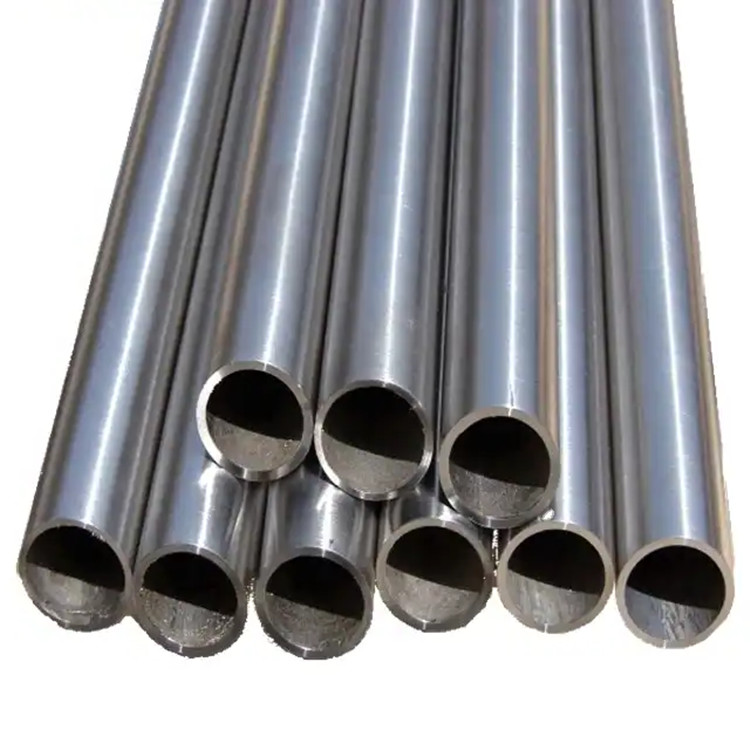
Boiler systems are essential to many industrial operations, providing the heat and steam required for power generation, manufacturing, chemical processing, and other demanding applications. These systems operate under elevated temperatures and pressures, making material selection a critical factor in their safety and efficiency. Alloy steel seamless boiler tubes are widely used in such environments because of their mechanical strength, thermal stability, and ability to withstand demanding operating conditions.
Modern industrial facilities increasingly depend on reliable Alloy Steel Seamless Boiler Tube products to support consistent heat transfer and long-term equipment performance. Manufactured without longitudinal weld seams, these tubes offer a continuous structure that is particularly valuable in high-pressure and high-temperature applications. Their performance depends on the selected alloy composition, manufacturing quality, heat treatment, and compliance with relevant industry standards.
What Are Alloy Steel Seamless Boiler Tubes?
Alloy steel seamless boiler tubes are tubular products manufactured from steel containing additional alloying elements such as chromium, molybdenum, manganese, nickel, and vanadium. These elements improve specific material characteristics, including strength, toughness, oxidation resistance, and high-temperature performance.
Unlike welded tubes, seamless boiler tubes are produced from solid steel billets through heating, piercing, and rolling operations. This manufacturing method creates a continuous tubular structure without a longitudinal welded joint.
They are commonly used in boilers, superheaters, reheaters, heat exchangers, and other industrial equipment where reliable performance under thermal and pressure-related stresses is essential.
Key Features of Alloy Steel Seamless Boiler Tubes
Alloy steel boiler tubes offer several properties that make them suitable for demanding thermal applications.
1. Excellent High-Temperature Strength
One of the most important characteristics of alloy steel boiler tubes is their ability to maintain suitable mechanical strength at elevated temperatures.
Chromium-molybdenum alloy grades are commonly selected for applications involving high-temperature steam and prolonged thermal exposure. Their composition helps improve resistance to strength loss under demanding operating conditions.
2. Superior Pressure Resistance
Boiler tubes must withstand internal pressure generated by steam and heated fluids. Seamless construction provides a continuous pipe wall without a longitudinal weld seam.
When manufactured to the correct dimensions and material specifications, these tubes can provide reliable pressure-bearing performance. Their allowable operating pressure must still be determined through applicable engineering calculations and design codes.
3. Improved Creep Resistance
Creep is the gradual deformation of a material under sustained mechanical stress at elevated temperatures.
Certain alloy steel grades are specifically designed to resist creep, making them valuable in boilers and power generation equipment that operate continuously for extended periods.
4. Oxidation Resistance
High-temperature environments can accelerate oxidation and surface deterioration in steel materials.
Chromium-containing alloy steels can develop protective oxide layers that help reduce oxidation under suitable service conditions. The effectiveness of this protection depends on alloy composition, temperature, and operating environment.
5. Structural Uniformity
The seamless manufacturing process eliminates the need for a longitudinal welded joint.
This provides a continuous tubular structure and can be advantageous in applications involving pressure and thermal stresses. However, overall reliability also depends on material quality, dimensional accuracy, heat treatment, and inspection procedures.
Manufacturing Process of Alloy Steel Seamless Boiler Tubes
The manufacturing process involves several carefully controlled stages to ensure that the finished tubes meet the required mechanical and dimensional specifications.
1. Raw Material Selection
The process begins with selecting high-quality alloy steel billets. The chemical composition is checked to confirm that the material contains the required proportions of alloying elements.
Material selection depends on the boiler’s operating temperature, pressure, design requirements, and applicable standards.
2. Heating and Piercing
The selected billet is heated to the appropriate temperature before undergoing a piercing operation.
Specialized equipment creates a hollow center, transforming the solid billet into an initial tubular shape.
3. Rolling and Tube Sizing
The hollow material passes through rolling and sizing equipment to achieve the required outside diameter and wall thickness.
Accurate dimensional control is important because variations in tube geometry can affect pressure capacity, heat transfer, and installation compatibility.
4. Heat Treatment
Heat treatment is an important stage in producing many alloy steel boiler tubes.
Depending on the material grade and applicable specification, processes such as normalizing, tempering, or other specified heat treatments may be performed to achieve the required strength, toughness, and microstructure.
5. Finishing Operations
After heat treatment, tubes may undergo straightening, cutting, surface cleaning, and end preparation.
These operations help ensure dimensional accuracy and prepare the products for inspection and installation.
6. Quality Inspection and Testing
Finished tubes undergo inspection to verify their compliance with technical requirements.
Common quality control procedures include:
- Chemical composition analysis.
- Tensile strength and hardness testing.
- Dimensional and wall thickness inspection.
- Impact testing where required.
- Ultrasonic examination.
- Eddy current testing where applicable.
- Hydrostatic testing when specified.
- Visual and surface inspection.
These procedures help identify manufacturing defects and verify the suitability of tubes for their intended service.
High-Temperature Performance in Boiler Systems
High-temperature performance is one of the primary reasons alloy steel seamless tubes are used in industrial boilers.
Boilers expose their internal components to continuous thermal cycling, steam pressure, and mechanical loading. Under these conditions, ordinary materials may experience excessive deformation, oxidation, or premature deterioration.
Resistance to Thermal Stress
Repeated heating and cooling can create expansion and contraction within boiler components. Suitable alloy steel grades can provide the mechanical properties needed to handle these thermal stresses.
Long-Term Creep Strength
In high-temperature applications, sustained pressure can gradually deform boiler tubes. Alloy compositions designed for creep resistance help maintain structural integrity during prolonged operation.
Improved Thermal Stability
Appropriately selected alloy steel grades can maintain their required mechanical properties across specified temperature ranges.
This is particularly important in superheater and reheater systems, where steam temperatures can be significantly higher than those found in conventional water circulation sections.
Major Industrial Applications of Alloy Steel Seamless Boiler Tubes
Alloy steel boiler tubes are used in various industries where heat transfer, steam generation, and pressure resistance are essential.
1. Thermal Power Plants
Thermal power plants rely on boilers to generate high-pressure steam for driving turbines.
Alloy steel seamless tubes are commonly used in:
- Boiler water walls.
- Superheater assemblies.
- Reheater sections.
- Steam-generating equipment.
- High-temperature heat transfer systems.
Their high-temperature mechanical properties make suitable alloy grades valuable in these installations.
2. Industrial Manufacturing Facilities
Manufacturing facilities often require steam for heating, drying, cleaning, and production processes.
Alloy steel boiler tubes are used in industrial steam generation equipment where pressure and temperature requirements demand appropriate material performance.
3. Petrochemical Industry
Petrochemical facilities use boilers and heat exchangers to support various processing operations.
Alloy steel tubes are incorporated into selected thermal equipment where resistance to elevated temperatures and sustained mechanical stress is important.
4. Oil and Gas Processing
Oil and gas processing facilities use steam generation systems for heating, refining, and other industrial operations.
Seamless alloy steel boiler tubes are suitable for selected high-temperature pressure equipment, depending on the process requirements and applicable material specifications.
5. Chemical Processing Plants
Chemical industries depend on controlled heating and steam systems for several manufacturing operations.
Boiler tubes made from appropriate alloy steel grades can support reliable heat transfer while maintaining the mechanical properties required by the operating environment.
Common Alloy Steel Grades Used in Boiler Tubes
Different alloy steel grades are selected according to temperature, pressure, and service requirements.
Some commonly referenced grades include:
| Alloy Steel Grade | General Characteristics | Typical Applications |
|---|---|---|
| T11 | Chromium-molybdenum steel with suitable elevated-temperature properties | Boiler and heat exchanger components |
| T12 | Chromium-molybdenum alloy steel | Thermal equipment |
| T22 | Higher chromium-molybdenum content than T11 | Superheaters and reheaters |
| T91 | Advanced modified 9Cr-1Mo alloy steel | High-temperature power plant applications |
| T5 | Chromium-molybdenum alloy steel | Selected high-temperature boiler services |
These grades are covered by relevant specifications, including ASTM A213 for seamless ferritic and austenitic alloy-steel boiler, superheater, and heat-exchanger tubes.
The correct grade must be selected according to design temperature, allowable stress, pressure, material compatibility, and project requirements.
Benefits of Using Alloy Steel Seamless Boiler Tubes
The use of properly specified alloy steel boiler tubes offers several operational advantages.
Enhanced Equipment Reliability
Suitable alloy steel compositions provide the strength and thermal performance required for demanding boiler operations.
This can help reduce material-related failures and support more consistent equipment performance.
Longer Service Life
Improved creep strength, oxidation resistance, and mechanical stability can contribute to longer operating life under appropriate service conditions.
Actual service life depends on operating practices, water chemistry, maintenance, and exposure to thermal stresses.
Efficient Heat Transfer
Accurate dimensions and consistent tube geometry support the design of efficient heat exchange systems.
Proper material selection also helps maintain the required wall integrity throughout the operating period.
Reduced Maintenance Interruptions
Reliable boiler tubes can help reduce unexpected maintenance and replacement requirements.
This is particularly valuable in power plants and manufacturing facilities where unplanned shutdowns can result in significant operational losses.
Suitability for Demanding Environments
Different alloy steel compositions allow engineers to select materials for specific temperature, pressure, and mechanical requirements.
This flexibility makes them useful across several industrial sectors.
Alloy Steel Seamless Boiler Tubes vs. Carbon Steel Boiler Tubes
Both carbon steel and alloy steel tubes are used in boiler systems, but their properties and suitable operating conditions differ.
| Comparison Factor | Alloy Steel Boiler Tubes | Carbon Steel Boiler Tubes |
|---|---|---|
| Composition | Contains additional alloying elements | Primarily iron and carbon |
| High-temperature performance | Available in grades designed for elevated temperatures | Suitable for specified lower or moderate-temperature services |
| Creep resistance | Can provide improved creep strength | Generally more limited at elevated temperatures |
| Oxidation resistance | Improved in certain chromium-containing grades | Generally lower at comparable conditions |
| Cost | Usually higher | Generally more economical |
| Applications | Superheaters, reheaters, high-temperature boilers | General boiler and heat exchanger services |
The selection should be based on the boiler design and operating requirements rather than assuming that alloy steel is necessary for every application.
Important Standards and Quality Requirements
Boiler tubes operate under conditions where material quality and manufacturing consistency are essential for safety.
Several international standards establish requirements for material composition, manufacturing, dimensions, testing, and inspection.
Important specifications include:
- ASTM A213: Covers seamless ferritic and austenitic alloy-steel boiler, superheater, and heat-exchanger tubes.
- ASTM A335: Covers seamless ferritic alloy-steel pipe intended for high-temperature service.
- ASME Boiler and Pressure Vessel Code: Establishes requirements for pressure equipment, including applicable boiler materials and construction.
- ASME Section I: Covers requirements for power boilers.
- EN 10216: Provides requirements for seamless steel tubes for pressure purposes.
Buyers should confirm the applicable specification, material grade, edition, supplementary requirements, and documentation before purchasing.
How to Select the Right Alloy Steel Seamless Boiler Tubes
Choosing the correct boiler tube requires evaluating the entire operating environment.
Consider the following factors:
- Operating temperature: Determine the maximum continuous and intermittent service temperatures.
- Working pressure: Establish the required pressure rating and wall thickness.
- Material grade: Select an alloy composition suitable for the expected thermal and mechanical stresses.
- Tube dimensions: Verify outside diameter, wall thickness, and required length.
- Heat treatment: Confirm that the supplied product meets the required heat treatment condition.
- Corrosion and oxidation exposure: Evaluate steam chemistry, water quality, and possible chemical contamination.
- Applicable standards: Check compliance with ASTM, ASME, EN, or other project-specific requirements.
- Quality documentation: Review material test certificates, traceability records, and inspection reports.
A detailed technical evaluation helps ensure that the selected tubes provide the necessary safety and performance characteristics.
Maintenance and Inspection Practices
Regular inspection is essential for maintaining the performance of boiler tube systems.
High temperatures, pressure fluctuations, deposits, and water chemistry problems can gradually affect tube integrity.
Recommended maintenance practices include:
- Monitoring tube wall thickness for signs of corrosion or erosion.
- Inspecting surfaces for oxidation, scaling, and overheating.
- Checking for bulging, cracking, and deformation.
- Monitoring boiler water chemistry and steam conditions.
- Examining vulnerable areas using suitable non-destructive testing methods.
- Maintaining inspection records and replacement schedules.
Periodic inspections help identify early deterioration and allow maintenance teams to take corrective action before serious equipment damage occurs.
Conclusion
Alloy steel seamless boiler tubes are essential components in industrial systems that require dependable performance under high-temperature and high-pressure conditions. Their mechanical strength, creep resistance, oxidation performance, and seamless construction make them suitable for thermal power plants, petrochemical facilities, manufacturing operations, and industrial steam generation systems.
However, long-term reliability depends on selecting the correct alloy grade, maintaining manufacturing quality, following applicable pressure equipment standards, and implementing regular inspection procedures.
With proper engineering evaluation and maintenance, alloy steel seamless boiler tubes can support efficient heat transfer, improve equipment reliability, and contribute to safer industrial operations.