Aeration is one of the most important processes in biological wastewater treatment because it supplies the oxygen required by microorganisms to break down organic pollutants. The efficiency of an aeration system directly affects treatment performance, energy consumption, and overall operating costs. Selecting suitable aeration equipment is therefore essential for maintaining stable wastewater treatment operations.
One important component of this system is the Air Diffuser Disc, which distributes compressed air into wastewater through a specially designed membrane. It produces air bubbles that transfer oxygen into the water and support microbial activity. However, not all diffuser discs offer the same performance. Factors such as membrane material, bubble size, airflow capacity, operating pressure, and wastewater characteristics must be considered before making a selection.
Understanding the Role of an Air Diffuser Disc
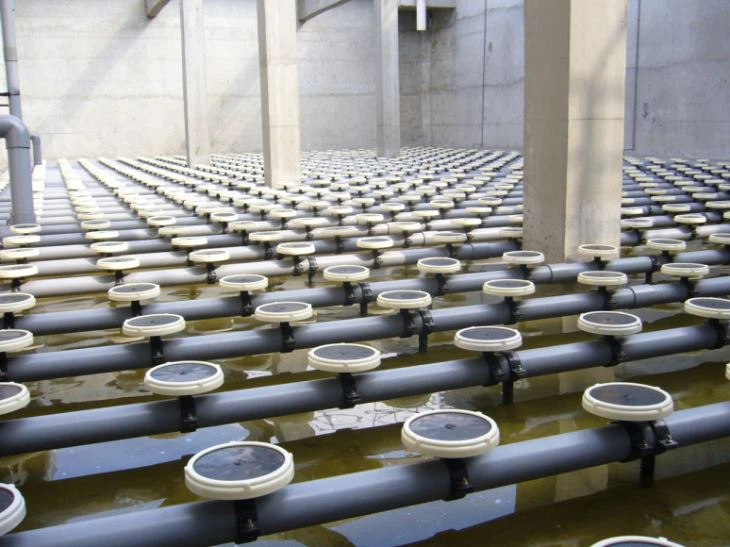
An air diffuser disc is a circular aeration device commonly installed at the bottom of wastewater treatment tanks. It typically consists of a supporting body and a flexible membrane containing numerous small openings.
When compressed air enters the diffuser, the membrane releases air bubbles into the surrounding wastewater. As these bubbles rise, oxygen transfers from the air into the water, increasing dissolved oxygen availability.
Air diffuser discs are commonly used in activated sludge systems, biological reactors, sewage treatment plants, and industrial wastewater treatment facilities.
Depending on their design, they can produce fine or coarse bubbles. Fine-bubble diffusers generally provide higher oxygen transfer efficiency, while coarse-bubble designs offer stronger mixing in applications where solids suspension is important.
1. Membrane Material and Durability
The membrane is one of the most important parts of an air diffuser disc because it directly influences bubble formation, airflow distribution, and equipment lifespan.
Different membrane materials offer different levels of flexibility, chemical resistance, and durability.
EPDM Membranes
Ethylene Propylene Diene Monomer (EPDM) is widely used in wastewater aeration because of its flexibility and resistance to many environmental conditions.
Its main characteristics include:
- Good elasticity and flexibility.
- Resistance to many wastewater chemicals.
- Reliable performance under suitable operating conditions.
- Availability in different membrane configurations.
However, compatibility should be checked when wastewater contains high concentrations of oils, hydrocarbons, or specific chemicals.
Silicone Membranes
Silicone membranes are another option for wastewater aeration applications. They offer good flexibility and can perform well under certain temperature and chemical exposure conditions.
Their suitability depends on the wastewater composition, operating pressure, and diffuser design.
Choosing the right membrane material helps reduce premature deterioration and supports consistent aeration performance.
2. Bubble Size and Oxygen Transfer Efficiency
Bubble size is a major factor affecting how efficiently oxygen transfers into wastewater.
Fine-bubble air diffuser discs produce smaller bubbles with a relatively large combined surface area. This increases contact between air and water, generally improving oxygen transfer efficiency.
Coarse-bubble diffusers produce larger bubbles that rise more quickly and create stronger mixing.
When selecting a diffuser, consider the following:
- Fine bubbles for applications prioritizing oxygen transfer.
- Coarse bubbles where stronger mixing is required.
- Wastewater conditions that may influence bubble formation.
- The balance between oxygen transfer and energy consumption.
For most conventional aerobic biological treatment applications, fine-bubble disc diffusers are commonly preferred when wastewater characteristics allow their effective operation.
3. Airflow Capacity and Operating Pressure
Every air diffuser disc is designed to operate within a specific airflow range and pressure requirement.
Selecting a diffuser with insufficient airflow capacity may result in inadequate oxygen supply. On the other hand, operating above the recommended airflow range can increase energy consumption and cause excessive membrane stress.
Before selecting a diffuser, evaluate:
- Required airflow per diffuser.
- Minimum and maximum operating airflow.
- Pressure loss across the membrane.
- Total oxygen demand of the treatment tank.
- Blower capacity and pipeline resistance.
The diffuser and blower should be selected as a complete system to ensure suitable airflow distribution and efficient operation.
4. Diffuser Diameter and Surface Area
Air diffuser discs are available in different diameters to accommodate various tank sizes and aeration requirements.
The diameter influences the membrane area available for air distribution and affects the number of diffuser units required.
A larger diffuser may distribute more air, depending on its design and operating range. However, simply selecting the largest available diameter does not guarantee better performance.
Tank dimensions, diffuser spacing, airflow requirements, and maintenance accessibility should all be evaluated before choosing a suitable size.
5. Wastewater Characteristics
Wastewater composition plays an important role in diffuser selection.
Municipal sewage and industrial wastewater can contain different substances that affect membrane condition and aeration efficiency.
For example:
- Oils and grease: May contribute to membrane fouling and affect bubble formation.
- Suspended solids: Can accumulate on diffuser surfaces and interfere with airflow.
- Chemical contaminants: May cause material deterioration if the membrane is not chemically compatible.
- High organic loading: Increases oxygen demand and may require greater aeration capacity.
- Temperature variations: Can influence oxygen solubility and membrane performance.
Understanding the characteristics of incoming wastewater helps engineers select diffuser materials and configurations that are suitable for long-term operation.
6. Oxygen Transfer Efficiency
Oxygen transfer efficiency describes how effectively oxygen supplied through an aeration system enters the wastewater.
A diffuser with good oxygen transfer performance can help maintain the required dissolved oxygen concentration with less supplied air under comparable conditions.
Important factors affecting oxygen transfer include:
- Bubble size and distribution.
- Water depth.
- Airflow rate.
- Wastewater temperature.
- Dissolved oxygen concentration.
- Wastewater-specific characteristics.
Standard oxygen transfer data can provide a useful starting point, but actual performance in wastewater may differ because of surfactants, dissolved substances, and other operating conditions.
Therefore, engineers should evaluate field oxygen transfer performance rather than relying exclusively on laboratory specifications.
7. Installation Requirements and Compatibility
An air diffuser disc must be compatible with the existing aeration infrastructure.
Its connection type, support arrangement, and mounting configuration should match the air distribution pipeline and tank structure.
Before purchasing, check:
- Thread or connection specifications.
- Required mounting accessories.
- Compatibility with existing air headers.
- Installation depth and tank arrangement.
- Accessibility for inspection and replacement.
Correct installation helps prevent air leakage, uneven airflow, and unnecessary pressure losses.
8. Maintenance and Cleaning Requirements
Regular maintenance is essential for maintaining diffuser efficiency.
Over time, biological growth, mineral deposits, and suspended materials can accumulate on diffuser membranes. This may increase airflow resistance and reduce oxygen transfer performance.
A suitable diffuser should be easy to inspect and maintain according to the treatment facility’s operating requirements.
Recommended maintenance practices include:
- Inspecting membranes for cracks and deterioration.
- Monitoring operating pressure for unusual increases.
- Checking bubble distribution across the tank.
- Cleaning diffusers using manufacturer-approved methods.
- Inspecting air pipelines and connections.
- Replacing damaged membranes when necessary.
Preventive maintenance can help extend equipment life and reduce unexpected aeration problems.
9. Energy Consumption and Operating Costs
Aeration systems can account for a significant portion of electricity consumption in wastewater treatment plants.
The efficiency of an air diffuser disc influences how much compressed air is needed to meet biological oxygen demand.
A diffuser with suitable oxygen transfer performance may reduce blower operating requirements. However, the overall energy consumption also depends on blower efficiency, water depth, system pressure, and airflow control.
When comparing diffuser options, consider the total cost of ownership rather than focusing only on the initial purchase price.
Important cost factors include:
- Initial equipment cost.
- Blower electricity consumption.
- Membrane replacement frequency.
- Cleaning and maintenance expenses.
- Expected operating lifespan.
- Installation and servicing requirements.
A properly selected diffuser can provide better long-term value through reliable performance and controlled operating costs.
10. Application-Specific Requirements
Different wastewater treatment processes have different aeration needs. The selected diffuser should match the biological process and treatment objectives.
Municipal Wastewater Treatment
Municipal sewage treatment plants generally require continuous aeration to support organic matter removal and biological nutrient treatment.
Fine-bubble disc diffusers are commonly used in activated sludge aeration tanks because of their oxygen transfer characteristics.
Industrial Wastewater Treatment
Industrial wastewater can contain higher organic loads, oils, chemicals, and suspended materials.
Diffuser selection should consider membrane compatibility, fouling potential, airflow requirements, and the need for additional mixing.
Moving Bed Biofilm Reactor Systems
MBBR systems use carrier media to support attached microbial growth.
Aeration must provide sufficient oxygen while maintaining proper carrier movement. Diffuser arrangement and airflow distribution should therefore be designed according to reactor configuration.
Sequencing Batch Reactor Systems
Sequencing Batch Reactors operate through different treatment stages, including aeration and settling.
Their aeration systems must provide suitable oxygen supply during the biological treatment phase while accommodating changes in operating conditions.
Common Mistakes to Avoid When Choosing an Air Diffuser Disc
Selecting an unsuitable diffuser can lead to poor oxygen transfer, excessive energy consumption, and frequent maintenance problems.
Some common mistakes include:
- Choosing a diffuser based only on its purchase price.
- Ignoring wastewater composition and chemical compatibility.
- Selecting an incorrect airflow range.
- Overlooking membrane pressure loss.
- Using laboratory oxygen transfer values without considering actual wastewater conditions.
- Installing too few diffusers for uniform air distribution.
- Neglecting maintenance accessibility and replacement requirements.
Avoiding these mistakes helps improve aeration reliability and supports better wastewater treatment performance.
Conclusion
Choosing the right air diffuser disc is essential for maintaining effective oxygen transfer and reliable biological wastewater treatment. Factors such as membrane material, bubble size, airflow capacity, operating pressure, wastewater characteristics, and maintenance requirements all influence diffuser performance.
A suitable selection should balance oxygen transfer efficiency, durability, energy consumption, and compatibility with the existing aeration system. By evaluating these factors carefully, wastewater treatment facilities can improve biological activity, maintain stable dissolved oxygen levels, and achieve more efficient long-term operations.