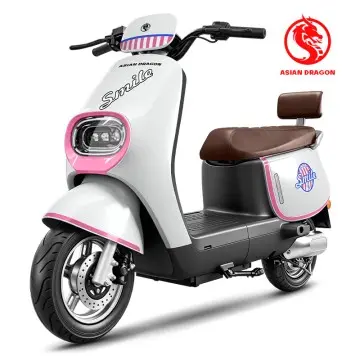
The demand for convenient and energy-efficient personal transportation continues to grow as urban commuters look for alternatives to conventional fuel-powered vehicles. Traffic congestion, rising fuel expenses, and limited parking have encouraged people to consider compact electric transportation. Bike electric scooters offer a practical combination of powered mobility, manageable dimensions, and features designed to make everyday journeys more comfortable.
A Bike Electric Scooter uses an electric motor powered by a rechargeable battery to provide convenient transportation for commuting, shopping, and short-distance travel. Depending on its design, it may feature a bicycle-inspired frame, scooter-style seating, or a combination of both. Understanding its construction, battery performance, and comfort features can help buyers choose a model that fits their daily requirements.
Understanding the Design of Bike Electric Scooters
Electric scooters come in different shapes and configurations, with each design offering specific advantages. Some models prioritize portability and lightweight construction, while others focus on comfortable seating, longer travel distances, or additional storage.
Common design elements include:
- Frame: Provides structural support and determines the vehicle’s overall shape and riding position.
- Electric motor: Converts battery energy into mechanical power.
- Battery pack: Stores the electricity required for operation.
- Controller: Regulates power delivery and coordinates the motor’s response.
- Braking system: Helps riders control speed and stop safely.
- Display panel: May provide information about speed, battery level, distance, and riding mode.
The quality of these components influences reliability, handling, and the overall ownership experience.
Battery Performance and Riding Range
Battery performance is one of the most important factors when evaluating an electric scooter. It determines how much energy is available for travel and how frequently the vehicle needs to be recharged.
Battery Capacity
Battery capacity is commonly measured in watt-hours (Wh) or ampere-hours (Ah). When comparing batteries, voltage should also be considered because ampere-hours alone do not provide a complete picture of stored energy.
A higher energy capacity may support longer journeys, but actual range also depends on motor efficiency, vehicle weight, terrain, and riding conditions.
Charging Time
Charging time varies according to battery capacity, charger output, and the battery’s charging characteristics. Some models allow riders to remove the battery for convenient indoor charging, while others require the vehicle to be connected directly to a power source.
Buyers should check the recommended charging time and ensure that suitable charging facilities are available at home or work.
Factors That Affect Battery Range
The advertised range represents an estimate under particular testing conditions. Everyday performance may differ because of:
- Rider weight and additional cargo
- Road gradients and surface conditions
- Riding speed and acceleration habits
- Temperature and weather conditions
- Selected assistance or power mode
- Tire pressure and general maintenance
For regular commuting, it is sensible to choose a battery that provides more range than the minimum distance required for a typical journey.
Motor Power and Riding Performance
The electric motor influences acceleration, climbing ability, and the overall riding experience. Different models are designed for different types of terrain and travel requirements.
Hub Motors
Hub motors are integrated into the front or rear wheel. Their relatively straightforward design makes them common in many electric two-wheelers. Depending on the configuration, they can provide convenient power delivery with comparatively simple mechanical arrangements.
Mid-Drive Motors
Mid-drive motors are positioned near the pedals on certain bicycle-style electric models. They transfer power through the drivetrain and can work effectively with the vehicle’s gearing system.
This arrangement may offer advantages on hilly routes, although performance depends on the complete drivetrain and motor design.
Selecting Appropriate Motor Output
A commuter traveling mainly on flat urban roads may have different requirements from someone who frequently rides on steep inclines. Buyers should compare rated motor power, torque where available, and maximum assisted speed.
It is equally important to confirm that the model complies with local regulations governing electric vehicles.
Features That Improve Riding Comfort
Comfort affects how enjoyable and practical an electric scooter is during regular use. A vehicle that feels suitable for a short test ride may become less comfortable over longer journeys if its seating, suspension, or riding position is poorly matched to the user.
Ergonomic Seating
Seat shape, cushioning, and height influence comfort and posture. Scooter-style models often provide wider seating, while bicycle-inspired designs may use narrower saddles.
Riders should check whether the seat can be adjusted to accommodate their height and preferred position.
Suspension Quality
Front and rear suspension systems can help absorb vibration from uneven roads. Their effectiveness depends on component quality, adjustment, and the vehicle’s overall design.
For people who frequently travel over rough urban surfaces, suspension deserves particular attention.
Handlebar Position and Foot Space
A natural handlebar position can reduce strain on the shoulders and wrists. Adequate foot space also helps riders maintain a relaxed posture and operate the vehicle comfortably.
A test ride is one of the most reliable ways to evaluate these details.
Tire Design
Tire width, tread pattern, and construction influence grip, rolling resistance, and cushioning. The correct tire pressure is also important because underinflated or overinflated tires can affect handling and efficiency.
Safety Features Worth Considering
Safety should be a priority when comparing electric scooters. Buyers should examine both standard equipment and any additional features offered by individual models.
Important considerations include:
- Braking systems: Disc and drum brakes are common options, with performance depending on design and maintenance.
- Lighting: Bright headlights, rear lights, and brake lights improve visibility.
- Reflectors: Help make the vehicle more noticeable in low-light conditions.
- Mirrors: Support awareness of surrounding traffic.
- Tire grip: Appropriate tires help maintain traction on different road surfaces.
- Frame stability: A well-designed structure contributes to predictable handling.
Some models may also include electronic braking assistance, anti-lock braking technology, or integrated security features. Buyers should verify which systems are actually included rather than assuming they are standard.
Benefits for Daily Urban Commuting
Bike electric scooters can make routine transportation more convenient, especially when journeys are relatively short and predictable.
Reduced Dependence on Fuel
Electric models use rechargeable batteries rather than gasoline. This can help reduce direct operating expenses and eliminates tailpipe emissions during use.
Their total environmental impact still depends on electricity generation, battery production, and disposal practices.
Easier Parking and Storage
Compact models generally require less space than cars and many larger motorcycles. Folding designs or removable batteries may provide additional convenience for people with limited storage space.
Convenient Short-Distance Travel
Electric assistance can make journeys to workplaces, shops, schools, and public transportation connections more manageable. Riders can avoid some of the physical effort associated with conventional cycling.
Quieter Operation
Electric motors generally produce less operating noise than combustion engines. This can contribute to a quieter neighborhood environment, although riders should remain alert because pedestrians may not hear an approaching electric vehicle.
How to Choose the Right Bike Electric Scooter
A suitable purchase should reflect personal transportation needs rather than simply the highest advertised specifications.
Define Your Daily Travel Requirements
Estimate the distance of regular journeys and consider whether your route includes steep roads, uneven surfaces, or heavy traffic. This helps determine the battery range and motor performance you need.
Compare Battery Specifications
Review battery capacity, charging time, warranty coverage, and replacement availability. Also consider whether the battery is removable and whether the manufacturer provides suitable charging equipment.
Evaluate Build Quality
Inspect the frame, folding mechanism if applicable, handlebars, tires, brakes, and electrical connections. Strong construction and reliable components can make a significant difference to long-term ownership.
Consider Weight and Portability
If you need to carry the scooter upstairs or store it in a small apartment, its weight and dimensions become especially important. Folding models may be convenient, but their locking mechanisms should be secure and easy to operate.
Check Warranty and Service Support
Confirm the availability of replacement batteries, motors, tires, and other essential parts. Reliable after-sales service can help reduce inconvenience if repairs become necessary.
Take a Test Ride
A test ride allows you to evaluate acceleration, braking, turning response, suspension, and overall comfort. It also helps determine whether the controls are intuitive and the vehicle feels manageable.
Battery Care and Routine Maintenance
Proper maintenance can help preserve battery performance and improve vehicle reliability.
- Use the charger supplied or approved by the manufacturer.
- Follow recommended charging and storage procedures.
- Avoid exposing the battery to extreme heat or moisture.
- Inspect tires regularly and maintain the correct pressure.
- Check brakes and lights before riding.
- Keep moving components clean and properly maintained.
- Arrange professional inspections when electrical or mechanical problems occur.
If a battery becomes swollen, unusually hot, or visibly damaged, stop using it and seek qualified assistance.
The Future of Electric Scooter Technology
Electric scooter technology continues to develop as manufacturers explore better batteries, more efficient motors, lightweight materials, and improved electronic controls. These advancements may provide greater travel range, more convenient charging, and better overall performance.
Smart displays, connected applications, regenerative braking, and improved security systems are also becoming important areas of product development. As charging infrastructure and urban transportation planning improve, electric scooters may become an increasingly practical choice for everyday mobility.
Conclusion
Bike electric scooters combine compact design, rechargeable power systems, and practical riding features to support convenient urban transportation. Their usefulness depends on choosing a model with suitable battery capacity, motor performance, comfort, safety equipment, and build quality.
By comparing specifications carefully, taking a test ride, and following recommended maintenance practices, buyers can select an electric scooter that meets their commuting needs and provides dependable performance over time.