Wolves have long captured people’s imagination through their distinctive appearance, social behavior, and important role in wildlife ecosystems. Their expressive faces, alert movements, and recognizable howls make them fascinating subjects for educational exhibits and themed entertainment. Modern animatronic technology allows designers to recreate these characteristics in detailed models that bring lifelike animal experiences to museums, theme parks, exhibitions, and other visitor attractions.
An Animatronic Wolf combines sculpted animal features with mechanical systems to simulate selected movements and behaviors. Depending on its design, a model may turn its head, open its mouth, move its ears, or produce synchronized sound effects. These features create a more engaging presentation than a static sculpture and give visitors an opportunity to observe a convincing representation of a wolf in a controlled environment.
What Makes Animatronic Wolf Models Realistic?
The realism of an animatronic animal depends on several elements working together. Its exterior appearance, mechanical movement, sound design, and overall proportions all contribute to the final result.
Detailed Physical Appearance
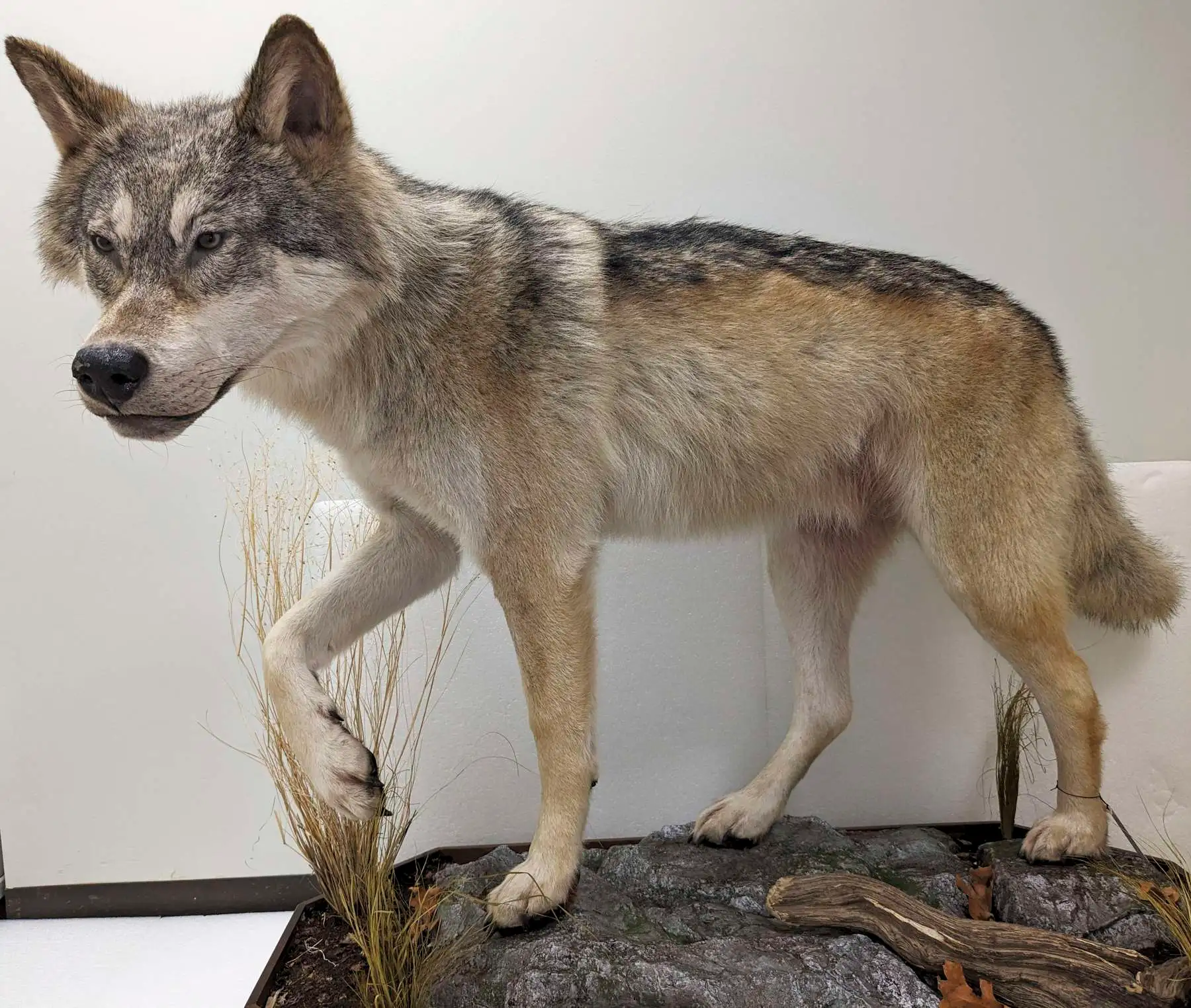
A realistic wolf model should reflect the animal’s natural body structure. Important details include its pointed ears, elongated muzzle, powerful legs, thick tail, and characteristic facial proportions.
Sculptors and designers use reference images to reproduce these features accurately. Attention to the shape of the head, position of the eyes, and body posture helps distinguish a wolf from other canine animals.
Realistic Fur Textures
The exterior surface plays an important role in creating a lifelike appearance. Depending on the model, designers may use artificial fur, textured materials, or carefully finished sculpted surfaces.
Color variations can represent familiar wolf coat patterns, including gray, brown, black, and lighter shades. Layered textures and subtle shading help create visual depth.
Expressive Facial Features
The face is one of the most recognizable parts of a wolf. Carefully designed eyes, ears, nose, and mouth help communicate different expressions.
Some animatronic models include movable jaws and facial components that allow them to simulate actions such as opening their mouths or appearing to growl.
Natural Body Proportions
A convincing wolf model needs balanced proportions. The relationship between its head, torso, legs, and tail affects how realistic it appears from different viewing angles.
Correct body positioning is particularly important when the model is displayed in a standing, walking, or alert pose.
Animatronic Movements That Bring Wolves to Life
Mechanical movement transforms a decorative animal model into an interactive visual attraction. The available functions depend on the complexity of the model and its control system.
Head and Neck Movement
Head movement can make a wolf appear attentive to its surroundings. Some models are designed to turn their heads, tilt slightly, or move their necks in controlled sequences.
These actions can create the impression that the animal is observing visitors or responding to environmental activity.
Opening and Closing Jaws
Movable jaws can be synchronized with sound effects to simulate howling or growling. This feature is particularly useful in themed environments where sound and movement work together to create atmosphere.
Ear and Eye Movement
Small movements of the ears and eyes can add character to an animatronic model. Although these actions may be subtle, they can make the animal appear more expressive.
Body and Tail Movement
More advanced designs may include movement in the torso, legs, or tail. These functions can simulate selected animal behaviors, depending on the model’s mechanical structure.
Movement should remain smooth and controlled to maintain visual realism and support reliable operation.
The Role of Sound Effects in Animatronic Wolf Displays
Sound is an important part of creating an immersive animal experience. A wolf’s howl is widely recognizable and can help visitors associate the model with its natural behavior.
Animatronic displays may include several types of audio:
- Howling sounds: Reproduce one of the wolf’s best-known vocalizations.
- Growling effects: Add atmosphere to dramatic or educational scenes.
- Environmental audio: Simulate a forest or wilderness setting.
- Synchronized sound: Coordinate audio with jaw movements or other mechanical actions.
Sound should be selected according to the display’s purpose and the surrounding environment. Excessive volume can disturb visitors, nearby exhibits, or neighboring businesses, so appropriate audio controls are important.
Applications of Animatronic Wolf Models
Animatronic wolves can be used in many environments because they combine educational value with visual entertainment.
Theme Parks and Amusement Attractions
Theme parks can incorporate wolf models into forest-themed areas, wildlife adventures, and fantasy environments. A realistic wolf positioned among artificial rocks and trees can help establish the atmosphere of a themed attraction.
These models may also serve as focal points along visitor pathways or within dedicated animal-themed zones.
Wildlife Museums and Educational Exhibitions
Museums can use animatronic wolves to introduce visitors to wildlife, animal adaptations, and ecosystem relationships. A lifelike model can make information more accessible, especially for younger audiences.
Exhibits can include educational panels explaining wolf habitats, diets, communication, and social structures.
Zoos and Wildlife Education Centers
Animatronic models can complement educational displays by illustrating animal characteristics without requiring live animal interaction. They can be especially useful in indoor learning areas or exhibitions focused on conservation.
Accurate educational information helps visitors understand the difference between a mechanical representation and a living animal.
Film, Television, and Stage Productions
Animatronic wolves may also be used in theatrical performances, film sets, and themed productions. They can provide controlled animal-like movements in scenes where a practical physical model is preferred.
Their use depends on the required level of realism, camera positioning, movement complexity, and production budget.
Shopping Malls and Public Events
Shopping centers, festivals, and promotional exhibitions can use animatronic animals to attract attention. A wolf model with realistic movement and sound can become a memorable feature in a seasonal display or themed event.
Organizers should consider visitor circulation and sound levels when installing such attractions in busy public spaces.
Benefits of Using Animatronic Wolves in Visitor Attractions
Compared with static decorative sculptures, animatronic models can provide additional ways to engage visitors.
Creating Immersive Experiences
Movement and sound help make an exhibit feel more dynamic. Visitors can observe different programmed actions rather than viewing an animal sculpture from a single perspective.
Supporting Interactive Learning
A model can be incorporated into guided presentations or educational activities. For example, a demonstration may explain how wolves communicate through vocalizations and body language.
This approach can make wildlife information easier to understand and remember.
Attracting Visitor Attention
Realistic animal models can serve as visual landmarks within an exhibition or attraction. Their unusual appearance and movement may encourage visitors to stop, observe, and explore the surrounding area.
Providing Consistent Demonstrations
Unlike live animals, animatronic models can perform programmed sequences on a controlled schedule. This allows operators to plan demonstrations and coordinate them with visitor activities.
Offering Flexible Themed Design
Animatronic wolves can be customized to suit different environments. A museum may prefer a naturalistic standing wolf, while a fantasy attraction might use a more dramatic pose and expressive movement system.
Materials and Manufacturing Considerations
The quality of an animatronic wolf depends on both its external construction and internal mechanical components.
Exterior Materials
Manufacturers may use fiberglass, resin, artificial fur, foam, or other materials depending on the model’s design. Fiberglass and resin can support detailed sculpted forms, while artificial fur can create a more natural-looking surface.
Material selection should consider the intended location, expected visitor contact, and maintenance requirements.
Internal Mechanical Structure
The internal frame supports the model and provides mounting points for moving components. It should be designed to accommodate the model’s weight, movement range, and operating conditions.
Reliable joints, motors, and mechanical connections are important for consistent performance.
Control Systems
Control systems coordinate the model’s movements and sound effects. Some models use preprogrammed sequences, while others may offer additional control options depending on their technical design.
The system should be practical for operators to manage and maintain.
Finishing and Surface Protection
Paint, coatings, and surface treatments help maintain the model’s appearance. For outdoor installations, materials and finishes should be selected to withstand relevant weather conditions, including sunlight, rain, and temperature changes.
Choosing the Right Animatronic Wolf for Your Project
Selecting a suitable model requires a clear understanding of the attraction’s purpose and operating environment.
Consider the following factors before making a decision:
- Define the intended application: Determine whether the model will be used for education, entertainment, stage production, or decoration.
- Choose an appropriate design: Select a realistic appearance and pose that fits the overall theme.
- Review movement functions: Identify which mechanical actions are necessary and whether additional features provide meaningful value.
- Evaluate sound options: Consider the type, quality, and volume of audio effects.
- Check construction quality: Review exterior materials, internal support, mechanical components, and finishing details.
- Assess installation requirements: Confirm the available space, electrical needs, mounting method, and access for maintenance.
- Understand servicing needs: Ask about maintenance schedules, technical support, and replacement components.
Comparing these factors helps project planners select a model that meets both creative and practical requirements.
Safety and Maintenance for Animatronic Displays
Animatronic models contain moving parts and may include electrical systems, so installation and operation require appropriate safety measures.
Important practices include:
- Securing the model to a suitable support or foundation.
- Keeping visitors away from exposed mechanical components.
- Providing protective covers around moving joints where necessary.
- Ensuring electrical connections are installed and maintained correctly.
- Inspecting motors, wiring, fasteners, and control systems regularly.
- Following manufacturer instructions for operation and servicing.
- Restricting repairs to qualified technicians.
Routine cleaning also helps preserve the model’s appearance. Artificial fur and sculpted surfaces should be maintained using cleaning methods suitable for their materials.
For outdoor installations, additional inspections may be necessary after severe weather or extended exposure to environmental conditions.
Design Ideas for More Engaging Wolf-Themed Exhibits
An animatronic wolf becomes more effective when its surroundings support the intended story. Designers can create a forest environment using artificial trees, rocks, foliage, and naturalistic ground textures.
Lighting can emphasize the wolf’s facial details and body shape, while carefully controlled background audio can create a woodland atmosphere. Educational signs can introduce facts about wolf behavior, pack structures, habitats, and conservation.
For family attractions, a viewing area with clear sightlines can allow children and adults to observe the model safely. Interactive information panels or scheduled demonstrations can add further educational value.
The most successful exhibits balance visual creativity with accurate information, accessibility, and visitor safety.
Future Developments in Animatronic Animal Technology
Advances in mechanical engineering, digital controls, and surface materials continue to expand the possibilities for animatronic animal displays. More precise movement systems can support smoother actions, while improved exterior materials can produce increasingly detailed appearances.
Some attractions may also combine animatronic models with motion sensors, interactive lighting, or digital learning tools. These technologies can allow exhibits to respond to visitor activity and provide additional information.
As expectations for immersive entertainment continue to grow, realistic animatronic animals are likely to remain valuable components of themed attractions and educational environments.
Conclusion
Animatronic wolf models combine realistic sculpting, mechanical movement, expressive features, and sound effects to create engaging wildlife-inspired displays. Their applications range from theme parks and museums to educational centers, public events, and stage productions.
Choosing the right model involves evaluating its appearance, movement capabilities, materials, installation requirements, and maintenance needs. When supported by thoughtful exhibit design and responsible operation, an animatronic wolf can provide an entertaining and informative experience that helps visitors appreciate the appearance and behavior of this fascinating animal.