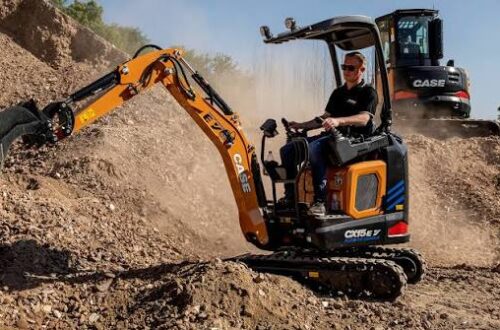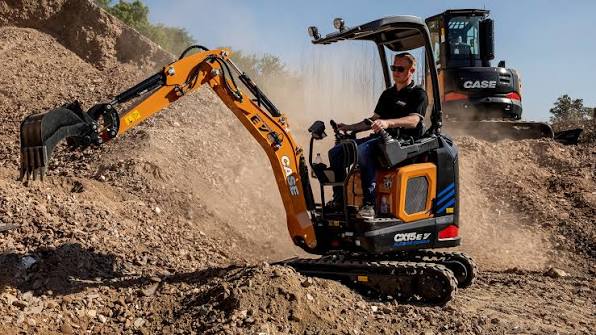
Ground preparation is a fundamental part of many construction and landscaping projects. Before foundations, drainage systems, pathways, planting areas, or outdoor structures can be installed, the site may need to be cleared, excavated, leveled, or reshaped. These activities can involve considerable manual effort, especially when the working area is restricted or the ground requires careful handling.
An electric mini excavator may help contractors undertake selected ground preparation tasks by providing compact excavation capability and an electric operating system. Its potential usefulness depends on the type of preparation required, the ground conditions, available working space, and the machine’s specifications. Identifying suitable applications helps businesses understand where compact equipment may support their work.
Preparing Residential Building Areas
Residential construction often involves preparing small sections of land for foundations, extensions, garden structures, or other improvements. Access may be limited by existing buildings, property boundaries, driveways, and landscaping.
A mini excavator may assist with removing soil and preparing localized excavation areas when its digging depth, reach, bucket capacity, and operating weight match the task. Compact dimensions can be useful where larger machinery would be difficult to position.
Contractors should examine site access and ground conditions before mobilizing equipment. Existing foundations, underground services, and surrounding structures must be considered during excavation planning.
Landscaping and Garden Preparation
Landscaping projects may require reshaping terrain, removing unwanted soil, preparing planting areas, creating garden features, or adjusting ground levels.
Compact excavators can support these activities by moving material and undertaking localized digging. They may help reduce manual effort on suitable tasks while allowing contractors to work within relatively small spaces.
Care is necessary around established vegetation, irrigation systems, pathways, and decorative features. Ground protection may be required where equipment travels across sensitive surfaces.
Drainage and Water Management
Drainage preparation is another common groundwork application. Contractors may need to create channels, excavate pipe routes, prepare drainage beds, or adjust surface levels to help manage water movement.
A mini excavator may be suitable for localized trenching when its working range and bucket configuration meet the design requirements. The machine should be selected according to the required excavation dimensions and soil conditions.
Before digging, contractors must identify underground utilities and follow appropriate excavation procedures. Existing drainage systems and other buried infrastructure should be protected.
Preparing Areas for Outdoor Structures
Outdoor structures such as small sheds, patios, garden rooms, retaining features, or other installations may require ground preparation. Depending on the project, contractors might need to remove material, create level areas, excavate foundation sections, or prepare routes for services.
The machine’s capability should be matched to the construction plan. Buyers should review digging depth, reach, bucket dimensions, operating weight, and any attachments needed for the work.
Compact equipment may offer positioning flexibility, but it must have sufficient space to operate safely and handle the expected material.
Working in Restricted Locations
Ground preparation often occurs in areas with limited access. Narrow pathways, courtyards, existing structures, and small commercial spaces may make equipment selection challenging.
Compact excavators may provide a practical option when their dimensions fit the site. Contractors should measure access points, turning areas, overhead clearance, and working boundaries before selecting a model.
Electric operation may also be relevant when direct exhaust emissions or engine-related noise are considerations. Electric machines produce no exhaust emissions directly during operation and may reduce engine-related noise, although digging, tracks, hydraulics, and attachments still generate sound.
Moving and Managing Excavated Material
Ground preparation can involve significant soil movement. Contractors need to plan where material will be placed, whether it will be reused, and how excess soil will be removed.
A well-organized site can help reduce unnecessary equipment movements. The excavator should have a planned working area, clear travel routes, and suitable access to material storage or loading locations.
Material handling should remain within the machine’s rated capabilities. Contractors should avoid overloading buckets or undertaking tasks that exceed the manufacturer’s operating limits.
Selecting Suitable Equipment
Businesses should evaluate machine dimensions, digging capability, operating weight, battery capacity, charging time, attachment compatibility, and service support.
The equipment should match the expected workload and ground conditions. Contractors should also consider charging infrastructure, transportation, maintenance, and operator training when evaluating electric machinery.
Conclusion
Electric mini excavators may support ground preparation for residential construction, landscaping, drainage, outdoor structures, and localized site improvements. Their compact design can be useful where access is restricted, while electric operation may offer additional advantages for selected environments. By matching equipment specifications to the work and carefully planning excavation, material movement, charging, and safety, contractors can determine where compact electric machinery may make ground preparation more manageable.