


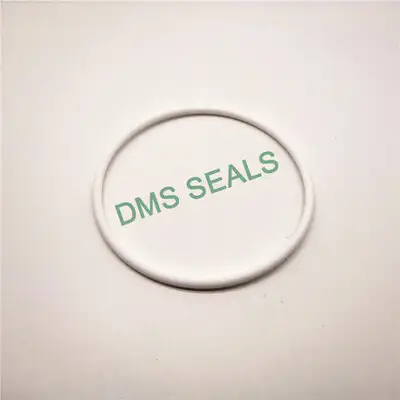
O-rings are essential sealing components used in industrial machinery, automotive systems, hydraulic equipment, pumps, and countless other applications. Although their basic shape is simple, their performance depends heavily on the rubber material used to manufacture them. An O-ring that works effectively in one environment may deteriorate quickly in another if it is exposed to incompatible chemicals, excessive heat, or unsuitable operating pressure.
Understanding material characteristics is therefore an important part of selecting the right sealing product. An experienced O Ring Seal Supplier can help buyers compare elastomer options and identify materials suited to their operating conditions. This guidance can reduce the risk of premature seal failure and help businesses choose products that meet their equipment requirements.
Why O-Ring Material Selection Matters
The material determines many of an O-ring’s physical and chemical properties. These include flexibility, hardness, temperature resistance, chemical compatibility, and resistance to permanent deformation.
Selecting an unsuitable material can lead to several problems:
- Swelling: Contact with incompatible fluids may cause the rubber to expand and affect its fit.
- Hardening: Heat or chemical exposure can reduce flexibility and make the seal less effective.
- Cracking: Environmental aging or excessive mechanical stress may damage the material.
- Excessive deformation: Poor compression recovery can reduce sealing contact pressure.
- Premature wear: Repeated movement or friction may damage materials that are not suitable for dynamic applications.
Considering these factors before purchasing O-rings helps ensure that the selected material is appropriate for the actual working environment.
Common Materials Used for O-Ring Seals
Different elastomers offer different performance characteristics. The most suitable option depends on the application, operating conditions, and required service life.
1. Nitrile Rubber (NBR)
Nitrile rubber is one of the most commonly used materials for industrial O-rings. It offers good resistance to many petroleum-based oils, fuels, and hydraulic fluids.
Its typical applications include:
- Hydraulic equipment
- Automotive fuel and oil systems
- Pumps and compressors
- General industrial machinery
- Pneumatic equipment
NBR is available in different formulations and hardness levels. Its temperature and chemical resistance should be checked against the specific operating conditions rather than assumed to be the same for every compound.
2. Fluorocarbon Rubber (FKM)
FKM is often selected for applications involving elevated temperatures, oils, fuels, and certain aggressive chemicals. It is widely used in demanding industrial and automotive environments.
Important characteristics include:
- Resistance to many oils and fuels
- Good performance in elevated-temperature applications
- Resistance to various chemicals
- Availability in different compound formulations
However, FKM is not universally compatible with every chemical or operating condition. Buyers should verify the exact compound’s compatibility before selecting it.
3. Ethylene Propylene Diene Monomer (EPDM)
EPDM is commonly used in applications involving water, steam, ozone, and outdoor exposure. Its resistance to weathering makes it useful in equipment exposed to environmental conditions.
Common applications include:
- Water systems
- HVAC equipment
- Outdoor machinery
- Steam-related applications within suitable material limits
- Certain industrial fluid systems
EPDM is generally unsuitable for petroleum-based oils and fuels, so fluid compatibility must be considered carefully.
4. Silicone Rubber
Silicone rubber is known for its flexibility across a broad temperature range. It is used in applications where temperature performance and specific material requirements are important.
Common areas of use include:
- Food-processing equipment with appropriate compliant grades
- Medical-related equipment
- Temperature-sensitive industrial applications
- Specialized electronic and mechanical assemblies
Silicone compounds can offer useful flexibility, but their mechanical strength and abrasion resistance may not be ideal for every dynamic sealing application.
5. Neoprene Rubber
Neoprene provides a balance of properties that makes it suitable for selected industrial applications. It offers resistance to ozone, weather exposure, and certain oils and chemicals.
It may be used in:
- General industrial equipment
- Refrigeration systems
- Outdoor machinery
- Selected fluid-handling applications
The exact suitability depends on the compound formulation and the substances it will contact during operation.
6. Polyurethane
Polyurethane is another material used in sealing applications, particularly where abrasion resistance and mechanical strength are important.
It is commonly considered for hydraulic equipment, cylinders, and applications involving repeated mechanical movement. Its performance depends on the formulation, temperature, and fluid compatibility.
Key Factors to Consider When Choosing an O-Ring Material
Selecting a material involves evaluating the complete operating environment rather than focusing on a single property.
Operating Temperature
Every elastomer has a temperature range within which it can maintain its intended properties. Excessive heat may accelerate aging, while very low temperatures can reduce flexibility.
Buyers should consider both normal operating temperatures and temporary temperature peaks. A material suitable for room-temperature operation may not perform reliably in equipment exposed to repeated heating and cooling.
Chemical Compatibility
The O-ring must withstand contact with the fluid or gas being sealed. Different oils, fuels, cleaning chemicals, solvents, and industrial fluids can affect elastomers in different ways.
Before selecting a material, identify the exact substance involved and check compatibility information for the proposed compound. A supplier with material knowledge can help narrow down suitable options.
Pressure and Mechanical Stress
Pressure affects how an O-ring deforms inside its groove. High-pressure systems may require careful consideration of material hardness, clearance gaps, and backup ring requirements.
Mechanical movement also matters. Dynamic applications involving sliding or reciprocating parts may need materials with suitable wear resistance and friction characteristics.
Hardness and Elasticity
O-ring hardness is commonly measured using the Shore A scale. It influences how the material responds to compression and pressure.
A softer compound may conform more easily to certain surfaces, while a harder compound may be more suitable for some higher-pressure conditions. The correct choice depends on the seal design, groove dimensions, and operating environment.
Compression Set
Compression set describes the permanent deformation that remains after rubber has been compressed for a specified period under controlled conditions.
A material with an unsuitable compression set may lose its ability to maintain sealing contact over time. This property is especially important for applications where the O-ring remains compressed for extended periods.
How an Experienced Supplier Helps with Material Selection
Material selection can be challenging when equipment operates under multiple conditions. An experienced supplier can help translate technical requirements into a suitable product specification.
Reviewing Application Details
A supplier may begin by asking about operating temperature, system pressure, fluid type, and whether the seal is used in a static or dynamic application.
These details help identify material requirements and eliminate unsuitable options before production or purchasing begins.
Recommending Suitable Elastomers
Based on the application information, the supplier can explain the advantages and limitations of different rubber compounds. This may include comparing NBR, FKM, EPDM, silicone, and other materials.
Recommendations should be based on the exact operating conditions rather than general claims about a material category.
Supporting Custom Specifications
Some applications require specific O-ring dimensions, hardness levels, or compound characteristics. A capable supplier can review technical drawings, measurements, or existing samples to determine suitable manufacturing options.
This support is particularly useful when standard products do not meet equipment requirements.
Providing Technical Documentation
Material specifications, inspection reports, and relevant test information can help buyers verify that the supplied products meet agreed requirements.
Depending on the application, documentation may cover hardness, dimensional tolerances, tensile properties, compression set, or chemical compatibility.
Material Requirements Across Different Industries
O-ring material requirements vary significantly between industries because each sector has different operating conditions and performance expectations.
Automotive Industry
Automotive systems use O-rings in engines, fuel systems, transmissions, air-conditioning equipment, and fluid connections. Materials must be compatible with the fluids and temperatures associated with each component.
NBR and FKM are commonly considered for selected automotive sealing applications, depending on the specific requirements.
Oil and Gas Industry
Oil and gas equipment may expose seals to demanding pressure, temperature, and chemical conditions. Material selection must account for the exact media and operating environment.
Specialized elastomer compounds may be required for particular applications, and buyers should confirm relevant performance specifications before ordering.
Food and Beverage Processing
Food-processing equipment may require materials that meet applicable food-contact regulations. Silicone and EPDM are among the materials used in certain applications, but the exact grade and compliance documentation must be verified.
Cleaning chemicals and sanitation temperatures should also be considered during material selection.
Medical and Pharmaceutical Equipment
Medical and pharmaceutical applications may require carefully specified elastomers, controlled manufacturing processes, and appropriate documentation.
Material suitability depends on the type of device, contact conditions, sterilization method, and applicable regulatory requirements.
General Industrial Manufacturing
Industrial machinery uses O-rings in pumps, compressors, valves, hydraulic systems, and pneumatic equipment. Material requirements depend on the operating fluid, temperature, pressure, and movement involved.
Questions to Ask Before Purchasing O-Ring Seals
Before choosing a material or placing an order, buyers should gather enough information to confirm that the product meets their needs.
Useful questions include:
- Which elastomer compounds are available?
- What are the recommended temperature limits for the selected material?
- Is the material compatible with the fluid or chemical involved?
- What hardness grades can be supplied?
- Are custom dimensions available?
- What quality inspections and material tests are performed?
- Can technical specifications or batch documentation be provided?
- Can the same approved material and dimensions be maintained for repeat orders?
Clear answers help businesses compare suppliers and avoid purchasing products based on incomplete specifications.
Common Material Selection Mistakes to Avoid
Even experienced purchasing teams can encounter problems when material requirements are not properly defined.
Choosing based only on price: Lower-cost materials may not provide the necessary chemical or temperature resistance.
Assuming all grades are identical: Compounds within the same elastomer family can have different performance characteristics.
Ignoring the operating fluid: A material suitable for one oil or chemical may not be compatible with another.
Overlooking temperature changes: Both continuous exposure and short-term temperature peaks can affect rubber performance.
Failing to consider movement: A material suitable for static sealing may not be appropriate for repeated sliding or reciprocating motion.
Avoiding these mistakes helps improve product suitability and reduce the possibility of premature seal failure.
Conclusion
Understanding O-ring seal materials is essential for selecting products that can perform reliably under specific industrial conditions. NBR, FKM, EPDM, silicone, neoprene, and polyurethane each offer different characteristics, making it important to match the material to the application rather than relying on general-purpose assumptions.
An experienced supplier can support this process by reviewing operating conditions, explaining material differences, recommending suitable compounds, and providing relevant product documentation. By combining accurate application information with careful material evaluation, businesses can make better purchasing decisions and improve the reliability of their sealing systems.