


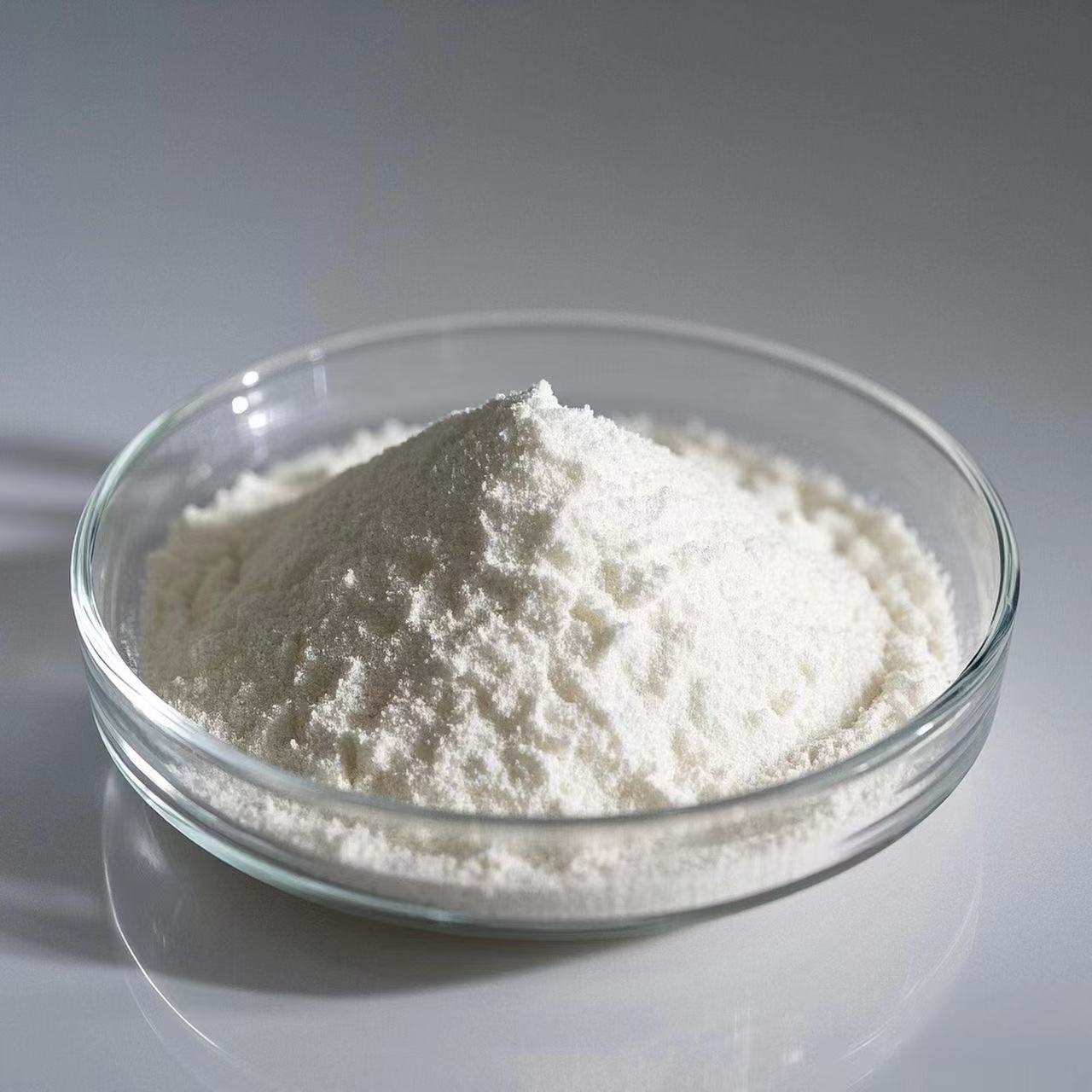
L-proline is a naturally occurring amino acid with important roles in protein structure, collagen formation, and cellular metabolism. It is widely used in food, pharmaceutical, cosmetic, and research applications because of its distinctive chemical properties and compatibility with various formulations. In commercial supply chains, L-proline is commonly available as a powdered raw material that can be incorporated into different manufacturing processes.
Selecting suitable material requires more than checking the ingredient name or advertised purity. Buyers should consider chemical identity, physical characteristics, analytical specifications, manufacturing controls, packaging, and intended application. When evaluating products such as L-Proline Powder, understanding these factors helps manufacturers and procurement teams make informed decisions about quality and suitability.
What Is L-Proline?
L-proline is a proteinogenic amino acid found naturally in the human body and in many protein-containing foods. Unlike most amino acids, its molecular structure contains a secondary amino group within a five-membered ring. This cyclic structure influences how proline behaves when incorporated into proteins.
Proline is particularly important in collagen, a structural protein found in connective tissues such as skin, cartilage, tendons, and bones. Its presence contributes to the distinctive structure and stability of collagen.
The body can synthesize proline from other metabolic compounds, including glutamate. It is also obtained through dietary protein sources such as meat, dairy products, eggs, and certain plant-based foods.
Commercial L-proline powder provides a concentrated ingredient for applications where controlled quantities and documented specifications are required.
Key Chemical and Physical Properties of L-Proline
Understanding the properties of L-proline helps manufacturers determine whether a particular material is appropriate for a formulation or production process.
1. Chemical Identity
L-proline has the molecular formula C₅H₉NO₂ and a molecular weight of approximately 115.13 g/mol. Its chemical identity distinguishes it from other amino acids and from the D-form of proline.
For applications requiring a specific stereochemical form, identity and optical purity should be assessed using suitable analytical methods.
2. Physical Appearance
Commercial L-proline is commonly supplied as a white or nearly white crystalline powder. Its appearance should be consistent with the supplier’s product specification.
Changes in color, visible contamination, or unusual physical characteristics may warrant investigation before the material is accepted for manufacturing.
3. Solubility
L-proline is soluble in water, making it useful in aqueous formulations and certain processing applications.
Its solubility can support ingredient incorporation into liquid products, although formulation conditions such as concentration, temperature, and the presence of other ingredients may influence processing behavior.
4. Stability and Storage
Under suitable conditions, dry L-proline can be stored as a powdered ingredient. However, packaging integrity and environmental exposure should be managed carefully.
Moisture, contamination, and unsuitable storage conditions can affect the material’s handling characteristics and quality. Buyers should follow the manufacturer’s recommended storage instructions.
5. Stereochemical Characteristics
The L-form is the biologically relevant form commonly used in protein synthesis. Where a formulation requires L-proline specifically, buyers should verify that the supplied material meets the required stereochemical specification.
This is especially important in applications where the identity and composition of an amino acid can affect product performance or regulatory compliance.
Biological Functions of L-Proline
L-proline contributes to several biological processes, particularly those associated with protein structure and connective tissue.
Collagen Formation
Collagen contains substantial amounts of proline and hydroxyproline. These amino acids help support the structural organization of collagen molecules.
Proline residues contribute to the stability of collagen’s characteristic triple-helical structure. Some proline residues are also converted into hydroxyproline through an enzyme-dependent process that requires vitamin C.
Protein Structure
Proline has a distinctive cyclic structure that restricts the flexibility of the protein backbone. This can introduce bends or turns in protein chains and influence how proteins fold.
Its structural role makes it important in proteins with specialized shapes and functions.
Amino Acid Metabolism
Proline participates in metabolic pathways connected with glutamate and other amino acids. Its synthesis and breakdown contribute to the body’s broader management of amino acid resources.
These pathways also connect proline metabolism with cellular energy and nitrogen balance.
Cellular Processes
Proline metabolism is involved in cellular responses to changing environmental and metabolic conditions. Researchers continue to study its roles in cellular signaling, oxidative balance, and tissue biology.
These biological functions do not mean that additional proline supplementation automatically improves collagen production or tissue health in healthy individuals. Outcomes depend on overall nutrition, physiology, and the specific application.
Common Applications of L-Proline Powder
L-proline powder is used across several industries. Its suitability depends on the ingredient grade, quality documentation, and requirements of the finished product.
1. Food and Nutrition Products
L-proline may be used as an amino acid ingredient in suitable food and nutritional formulations, subject to applicable regulations.
Manufacturers may evaluate it for amino acid blends, specialized nutritional products, and other formulations where its composition and functional properties are relevant.
Ingredient selection should consider the intended consumer group, formulation requirements, and permitted uses in the target market.
2. Pharmaceutical Manufacturing
L-proline can serve as a raw material or formulation component in pharmaceutical development and manufacturing.
Its use depends on the product design, applicable quality standards, and regulatory requirements. Pharmaceutical applications may require more extensive documentation and testing than general food applications.
Manufacturers should verify identity, assay, impurities, and other relevant quality attributes before approving a material.
3. Cosmetic Formulations
Proline is used in some cosmetic and personal care formulations as an amino acid ingredient.
Its presence in a formulation may be relevant to product composition and skin-conditioning objectives. However, cosmetic benefits should not be assumed from the ingredient name alone; the finished formulation and supporting evidence determine product performance.
4. Biotechnology and Research
L-proline is used in biochemical and laboratory research, including studies involving amino acid metabolism, protein structure, and cellular processes.
Some microorganisms and cultured cells also use proline in metabolic pathways. Research applications may require specific purity levels and controlled specifications.
Laboratory-grade material should not automatically be considered suitable for food, cosmetic, or pharmaceutical manufacturing.
5. Industrial and Specialized Formulations
Depending on the formulation and applicable technical requirements, L-proline may be considered for specialized chemical and industrial applications.
In these settings, buyers should assess compatibility, solubility, stability, and relevant safety information before using the material.
How to Select High-Quality L-Proline Powder
Choosing a reliable material involves reviewing both the product’s technical characteristics and the supplier’s quality controls.
1. Verify Ingredient Identity
Confirm that the product is specifically identified as L-proline. The product label, specification sheet, and certificate of analysis should use consistent ingredient information.
Suitable identity testing helps confirm that the delivered material matches the intended chemical substance.
2. Review Purity and Assay
Purity and assay information provide insight into the composition of the material.
Buyers should examine the stated acceptance limits and the analytical method used to determine the result. A batch-specific certificate of analysis is particularly useful because it reports the actual test results for the supplied lot.
3. Check Related Impurities
Depending on the intended application, relevant testing may include related amino acids, residual solvents, elemental impurities, or other process-related contaminants.
The appropriate impurity profile should be defined according to the product specification and applicable regulations.
4. Assess Moisture Content
Moisture can affect the physical handling of powdered ingredients. Review the supplier’s moisture or loss-on-drying specification and confirm that the packaging protects the material during storage and transportation.
5. Evaluate Manufacturing Standards
Ask the supplier about manufacturing controls, quality management procedures, and applicable certifications.
For food and pharmaceutical applications, relevant controls may include good manufacturing practices, documented sanitation procedures, and batch-release processes. Certification claims should be checked for scope and validity.
6. Request Technical Documentation
A dependable supplier should be able to provide suitable documentation, which may include:
- Certificate of Analysis (CoA)
- Technical Data Sheet (TDS)
- Safety Data Sheet (SDS)
- Product specification
- Relevant manufacturing or quality certifications
- Allergen and contaminant statements, where applicable
- Batch identification and traceability information
Documentation requirements should reflect the intended use and the buyer’s internal quality procedures.
7. Confirm the Correct Grade
Food-grade, pharmaceutical-grade, and laboratory-grade L-proline may have different specifications and intended uses.
A product’s grade should be supported by appropriate manufacturing controls and documentation. Buyers should not assume that one grade automatically meets the requirements of another.
Food Grade vs. Pharmaceutical Grade L-Proline
Understanding the distinction between ingredient grades helps prevent unsuitable material selection.
| Consideration | Food Grade | Pharmaceutical Grade |
|---|---|---|
| Intended use | Suitable food and nutritional applications | Applicable pharmaceutical manufacturing |
| Quality requirements | Relevant food safety and ingredient specifications | Applicable pharmaceutical and compendial requirements |
| Documentation | Food-related specifications and supporting records | More extensive pharmaceutical quality documentation where required |
| Testing | Based on intended food use and regulations | Based on pharmaceutical specifications and product requirements |
| Supplier controls | Appropriate food safety and manufacturing controls | Appropriate pharmaceutical quality systems and controls |
Neither designation should be accepted without reviewing the actual specifications. The intended application and applicable regulations determine which requirements must be met.
Storage and Handling Recommendations
Proper storage helps maintain the quality of L-proline powder throughout its shelf life.
Keep the Material Properly Sealed
Store the powder in its original packaging or a suitable sealed container. Close containers promptly after use to reduce exposure to moisture and environmental contaminants.
Use Clean Handling Equipment
Measuring tools, scoops, and transfer equipment should be clean and dry. Appropriate handling procedures help prevent contamination during production.
Follow Temperature Guidelines
Maintain the storage conditions specified by the supplier. Avoid unnecessary exposure to excessive heat or other environmental conditions that could affect product quality.
Maintain Batch Traceability
Record batch numbers, receipt dates, expiry or retest dates where applicable, and storage locations. These records support inventory management and quality investigations.
Inspect Packaging Upon Receipt
Check containers for damage, broken seals, moisture exposure, or other signs of improper handling. Materials that appear compromised should be assessed by the responsible quality team before use.
Common Mistakes to Avoid When Purchasing L-Proline
Several purchasing mistakes can create quality or production problems.
- Choosing by price alone: A low purchase price does not guarantee suitable purity, testing, or manufacturing controls.
- Ignoring batch documentation: A product description cannot replace a batch-specific certificate of analysis.
- Confusing ingredient grades: Food-grade material is not automatically suitable for pharmaceutical manufacturing.
- Overlooking stereochemical identity: Applications requiring L-proline should verify the correct form.
- Failing to assess storage conditions: Poor packaging or unsuitable storage may affect powder quality.
- Assuming universal specifications: Requirements should be matched to the intended formulation and relevant regulations.
A structured supplier evaluation helps reduce these risks and supports consistent raw material purchasing.
Conclusion
L-proline powder is a versatile amino acid ingredient with applications in food and nutrition, pharmaceutical manufacturing, cosmetics, biotechnology, and specialized research. Its distinctive cyclic structure contributes to its role in protein organization, while its involvement in collagen and amino acid metabolism makes it relevant to several biological and industrial contexts.
Selecting high-quality material requires careful attention to chemical identity, stereochemical form, purity, impurity limits, moisture content, manufacturing controls, and documentation. Buyers should also verify that the product grade matches the intended application and follow appropriate storage and handling procedures.
By reviewing technical specifications and qualifying suppliers carefully, manufacturers can make more informed decisions and establish reliable quality standards for L-proline powder.