


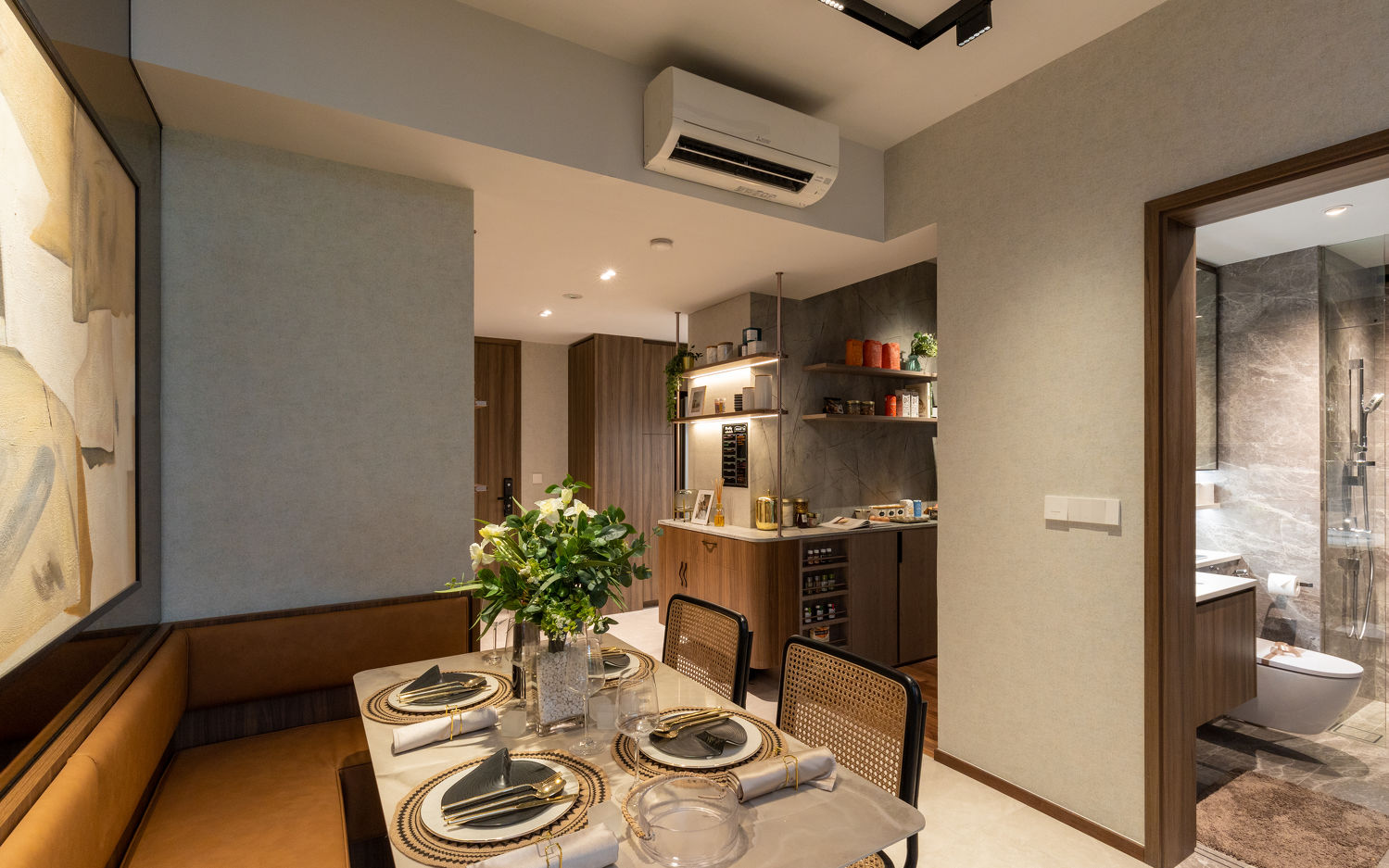
Natural light can influence how spacious, comfortable, and welcoming a home feels throughout the day. When viewing a new residential property, it is useful to look beyond artificial lighting and pay attention to how daylight enters different rooms.
A visit to the Dorset Gardens Showflat gives prospective homeowners an opportunity to observe the relationship between windows, room layouts, surrounding spaces, and daylight. Rather than judging brightness from a single moment, visitors should consider how natural light could vary across different times and weather conditions.
Start With the Main Living Areas
The living and dining areas are often where residents spend significant amounts of time, making them important spaces to assess.
Look at the size and position of windows and consider how much of the room receives direct or indirect daylight. A well-positioned window can make a living area feel brighter without relying heavily on artificial lighting during the day.
Also observe whether daylight reaches deeper into the room or remains concentrated near the windows.
Look at Window Placement
Window size is only one part of the equation.
The position of windows relative to walls, furniture, and room dimensions can affect how effectively daylight spreads. Tall windows may bring light into different parts of a room, while wider openings can create a broader distribution across the living space.
Consider the actual room layout rather than viewing the windows in isolation.
Consider the Orientation
The direction a unit faces can influence the amount and character of daylight it receives.
During a showflat visit, ask about the unit’s orientation and whether information about the surrounding buildings and site layout is available. This can help provide context for understanding how sunlight may reach the home.
Remember that daylight conditions can change considerably throughout the day.
Observe Different Rooms
Do not assess natural light based only on the living room.
Walk through the bedrooms, kitchen, bathrooms, and other spaces where daylight may be available. Consider which rooms appear naturally bright and which may depend more heavily on artificial lighting.
This is particularly useful if you expect to use a bedroom as a study, home office, or multipurpose room.
Pay Attention to Shadows
A room can have large windows and still experience areas of shade.
Observe shadows created by walls, neighbouring structures, balconies, window frames, and other architectural elements. These can influence how daylight reaches the interior.
The position of furniture in the showflat may also affect your perception, so try to imagine the room without the staged furnishings.
Look Beyond Brightness
More light is not necessarily the only consideration.
Excessive direct sunlight can create glare or make certain rooms warmer at particular times. Think about whether the natural-light conditions would suit how you expect to use each space.
For example, a workspace may benefit from good daylight but could become uncomfortable if a desk receives strong direct glare.
Examine Bedrooms Carefully
Bedrooms deserve particular attention because their lighting requirements may differ from those of living spaces.
Consider where daylight enters and whether the arrangement would suit your preferred sleeping and waking routine. Also think about how curtains or blinds could affect both privacy and daylight levels.
If you regularly work or study in a bedroom, assess whether the available daylight would be practical for those activities.
Consider the Kitchen
Natural light can also be useful in the kitchen.
Observe whether daylight reaches the preparation areas, sink, dining section, or other frequently used zones. Think about how the placement of windows relates to counters and cabinets.
A bright kitchen can be pleasant during daytime hours, but practical considerations such as glare and heat should also be taken into account.
Observe Interior Colours
The colours and finishes used in a showflat can influence how bright a space appears.
Light-coloured walls, ceilings, flooring, and cabinetry may reflect more daylight, while darker finishes can create a different visual effect. Keep this in mind when evaluating the actual daylight conditions.
Try to separate the effect of interior styling from the underlying amount of natural light entering the room.
Look at Glazing and Window Treatments
Ask about the type of glazing and the standard window treatments, if applicable.
Glass characteristics can influence how sunlight enters a room, while blinds or curtains can help control brightness and privacy. Understanding these elements can provide a more complete picture of the home’s daylight environment.
Any specific specifications should be confirmed with the sales team or official documentation.
Think About Privacy
Natural light and privacy often need to be considered together.
Large windows can provide excellent daylight while also creating greater visibility from neighbouring buildings or surrounding areas, depending on the home’s position.
Look at the external outlook and consider whether curtains, blinds, or other window treatments would be needed at different times of day.
Consider External Obstructions
Buildings, trees, balconies, and other structures can affect the amount of daylight reaching a unit.
If the showflat provides views of the surrounding development or site model, examine what sits around the relevant unit orientation. Ask whether future structures could influence the outlook or daylight conditions.
Avoid assuming that the view inside a showroom will perfectly represent every completed unit.
Visit at a Useful Time
If possible, arrange your viewing at a time when you can observe meaningful daylight conditions.
A morning visit may provide different information from an afternoon appointment. If natural light is particularly important to you, asking whether another viewing time is possible can help you form a broader impression.
Weather can also influence what you observe on the day.
Compare Different Layouts
If multiple unit types are available, compare their daylight characteristics rather than looking at each one independently.
Consider:
- Window size and position
- Room depth
- Orientation
- Balcony or external structures
- Potential obstructions
- Bedroom lighting
- Kitchen daylight
- Privacy considerations
- Possible glare
This can help you understand how different layouts may perform under similar conditions.
Ask About the Surrounding Environment
The immediate surroundings can be just as relevant as the interior design.
Ask for information about nearby buildings, open areas, roads, landscaping, and other features that may influence the outlook. Site plans and orientation diagrams can provide useful context when interpreting what you see during the visit.
Think About Your Daily Routine
Ultimately, natural light should be assessed according to how you intend to use the home.
Consider where you would:
- Work from home
- Read or study
- Eat meals
- Relax
- Exercise
- Spend time with children
- Entertain guests
A room that looks attractive during a short viewing may function differently depending on your daily schedule.
Take Photos and Notes Where Permitted
If photography is permitted during the viewing, photographs can help you compare different spaces afterward.
Take notes alongside the images about the viewing time, room orientation, and observations about brightness or glare. This provides useful context because lighting conditions can change during the day.
Confirm Details Before Making Decisions
Visual observations are valuable, but they should be combined with official information.
Ask about unit orientation, window specifications, floor plans, and other relevant details. If natural light is a major consideration, review the available documentation carefully rather than relying entirely on a single showflat visit.
Final Thoughts
Natural light is an important part of understanding how a home may feel and function throughout the day. Window placement, orientation, room depth, surrounding structures, privacy, and interior finishes can all influence the experience.
When visiting the Dorset Gardens Showflat, take time to observe each room rather than focusing only on the brightest areas. By combining what you see with floor plans, specifications, and questions about the surrounding environment, you can develop a more practical understanding of the home’s potential daylight conditions.