
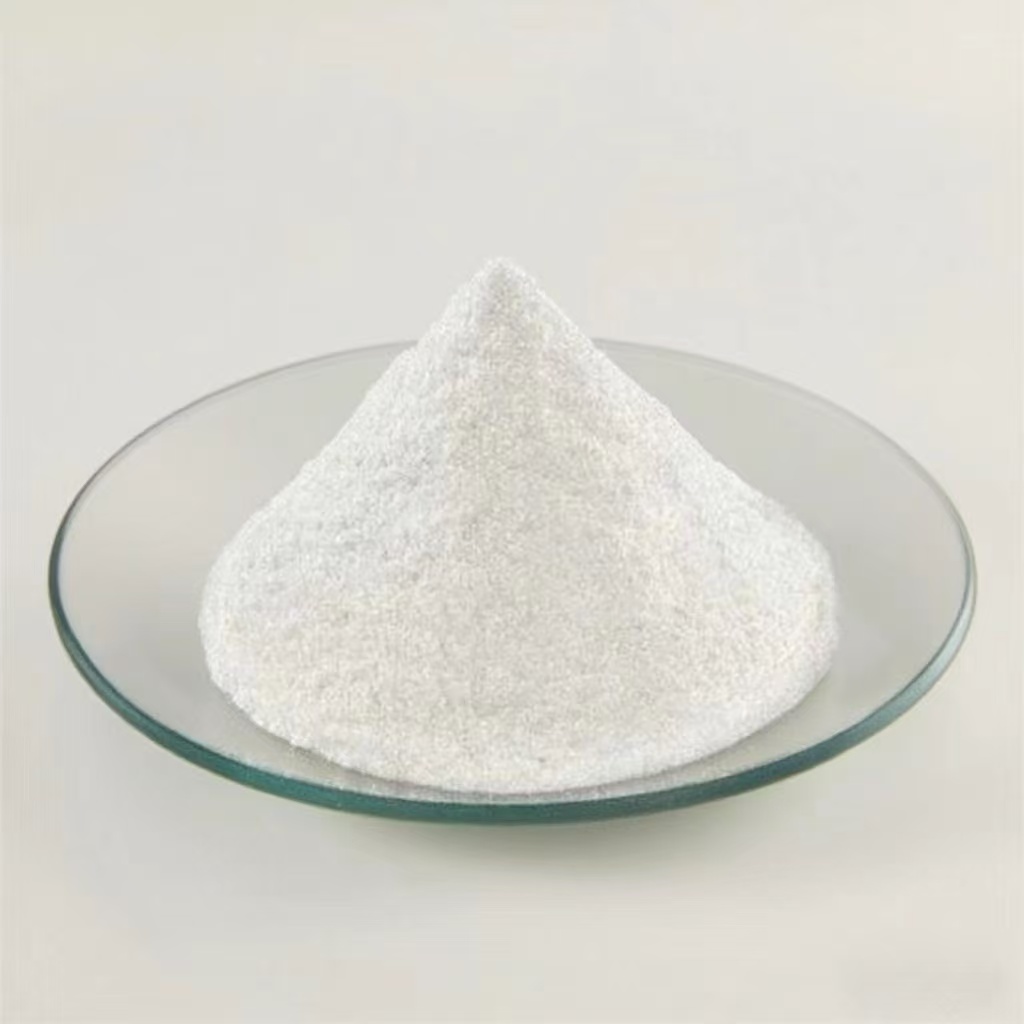
Leucine is an essential amino acid with important functions in human nutrition, protein metabolism, and cellular signaling. It belongs to the branched-chain amino acid (BCAA) group, alongside isoleucine and valine. Because the human body cannot produce enough leucine to meet its nutritional requirements, it must be obtained through food or suitable nutritional products. Its role in muscle protein synthesis has made it an important ingredient in sports nutrition, dietary supplements, and specialized nutritional formulations.
Beyond its nutritional importance, leucine has significant commercial value in the amino acid industry. Manufacturers use it in BCAA blends, essential amino acid products, protein formulations, and other specialized applications. Understanding Leucine requires examining its biological functions, natural sources, production methods, quality specifications, and industrial uses. These factors help formulators and ingredient buyers select appropriate materials for their intended applications.
What Is Leucine?
Leucine is one of the nine essential amino acids required by the human body. It is classified as a branched-chain amino acid because its molecular structure contains a branched side chain.
In nutritional and supplement applications, the L-form of leucine is commonly used. L-leucine has the molecular formula C₆H₁₃NO₂ and is generally supplied as a white crystalline powder.
Leucine performs several important functions:
- Contributes directly to the formation of body proteins.
- Helps regulate cellular pathways involved in protein synthesis.
- Participates in muscle protein metabolism.
- Serves as a source of metabolic intermediates during energy metabolism.
- Supports the body’s essential amino acid requirements.
Unlike nonessential amino acids, leucine cannot be synthesized by humans in sufficient quantities. Regular dietary intake is therefore necessary.
The Three Branched-Chain Amino Acids
Leucine is part of a group of three structurally related amino acids known as BCAAs.
| Amino Acid | Main Nutritional Role | Key Characteristic |
|---|---|---|
| Leucine | Protein building and regulation of protein synthesis signaling | Recognized for its role in mTORC1 signaling |
| Isoleucine | Protein metabolism and energy-related pathways | Both glucogenic and ketogenic |
| Valine | Protein synthesis and normal tissue metabolism | Glucogenic |
Although these amino acids are often combined in sports nutrition products, each has distinct metabolic characteristics.
Leucine is especially recognized for its influence on signaling pathways associated with muscle protein synthesis. However, all three BCAAs contribute to the essential amino acid supply.
Essential Functions of Leucine in the Human Body
1. Supporting Protein Synthesis
Leucine is incorporated into proteins throughout the body. It supplies one of the amino acid building blocks needed to form muscle proteins, enzymes, and other structural and functional proteins.
Protein synthesis requires an adequate supply of all essential amino acids. Leucine is important, but it cannot independently replace the other amino acids needed to construct complete proteins.
2. Regulating Muscle Protein Synthesis Signaling
One of leucine’s best-known biological functions is its involvement in the regulation of the mechanistic target of rapamycin complex 1, commonly known as mTORC1.
This cellular signaling complex helps regulate processes related to cell growth and protein production. Leucine availability can act as one of the nutritional signals influencing this pathway.
The response depends on several factors, including the availability of other amino acids, energy status, physical activity, and overall nutritional conditions.
3. Contributing to Muscle Maintenance
Muscle tissue continuously undergoes protein synthesis and protein breakdown. Adequate dietary protein provides amino acids that support normal muscle maintenance and adaptation.
Leucine contributes to this process through its role as a protein building block and a regulator of protein synthesis signaling.
4. Participating in Energy Metabolism
Leucine is metabolized in skeletal muscle and other tissues. It is classified as a ketogenic amino acid because its breakdown produces compounds that can contribute to ketone-body metabolism.
This makes its metabolic pathway different from that of glucogenic amino acids, which can contribute to glucose production.
5. Supporting Normal Nutritional Balance
Leucine is necessary as part of a balanced supply of essential amino acids. Its importance is not limited to athletes or people using supplements. Anyone who needs dietary protein also requires leucine as part of normal protein nutrition.
Nutritional Importance and Natural Food Sources
A varied diet containing adequate protein can supply leucine without requiring isolated supplementation.
Common dietary sources include:
| Food Group | Examples | Nutritional Contribution |
|---|---|---|
| Meat | Beef and lamb | Provides complete protein and essential amino acids |
| Poultry | Chicken and turkey | Supplies protein containing leucine |
| Seafood | Fish and shellfish | Contributes protein and other nutrients |
| Dairy | Milk, yogurt, and cheese | Provides high-quality protein |
| Eggs | Whole eggs and egg products | Supplies a broad range of essential amino acids |
| Soy products | Tofu and soybeans | Provides plant-based protein |
| Legumes | Lentils and beans | Contributes protein and dietary fiber |
| Nuts and seeds | Peanuts, almonds, and pumpkin seeds | Supplies protein and other nutrients |
The amount of leucine varies according to food type, preparation, and serving size. Total protein intake and overall dietary quality are important when evaluating whether nutritional requirements are being met.
Leucine in Sports Nutrition
Leucine is widely used in sports nutrition because of its role in muscle protein synthesis signaling.
BCAA Formulations
BCAA products combine leucine, isoleucine, and valine in selected ratios. They are commonly manufactured as powders, capsules, and tablets.
Leucine may represent a larger proportion of a BCAA blend because of its recognized signaling function. However, the value of a formulation depends on its complete composition and intended use.
Essential Amino Acid Supplements
Essential amino acid products provide all nine amino acids that the body cannot synthesize in sufficient amounts.
Including leucine alongside the other essential amino acids provides a more complete amino acid profile than a BCAA-only product.
Protein Powders
Whey, milk, soy, and other protein ingredients naturally contain leucine.
Some manufacturers add isolated leucine to adjust the amino acid composition of a finished product. Formulators should account for the leucine already present in the base protein when calculating the final composition.
Specialized Sports Nutrition Products
Leucine can be included in various nutritional blends designed for people with specific protein or amino acid intake goals.
However, its presence alone does not establish that a product improves athletic performance, endurance, or recovery. Product claims should be supported by evidence relevant to the finished formulation.
Isolated Leucine and Complete Protein: Understanding the Difference
Although leucine is important for protein synthesis signaling, isolated leucine is not a complete protein source.
The body requires all nine essential amino acids to produce new proteins. These include:
- Leucine.
- Isoleucine.
- Valine.
- Lysine.
- Methionine.
- Threonine.
- Tryptophan.
- Phenylalanine.
- Histidine.
If other essential amino acids are unavailable in sufficient amounts, the body cannot sustain protein synthesis simply because leucine is present.
This is why complete protein foods and balanced essential amino acid formulations are important. People who already consume sufficient protein generally do not need additional leucine solely to increase their dietary amino acid intake.
Industrial Applications of Leucine
Leucine has applications across several industries, particularly those involved in nutritional ingredients and amino acid-based products.
1. Dietary Supplement Manufacturing
Supplement manufacturers use leucine as an ingredient in BCAA powders, amino acid capsules, tablets, and blended nutritional products.
Its inclusion allows formulators to control the amino acid composition of the finished product.
2. Sports Nutrition
Sports nutrition companies incorporate leucine into protein blends, recovery-oriented formulations, and essential amino acid products.
The ingredient may be used individually or alongside other amino acids, depending on the formulation’s nutritional objectives.
3. Food and Nutritional Products
Leucine can be used in selected food and nutritional applications where amino acid composition is important.
Its suitability depends on the product category, local regulations, applicable food standards, and the ingredient’s quality specifications.
4. Pharmaceutical and Research Applications
High-purity amino acids may be used in pharmaceutical development, laboratory research, and specialized formulations.
These applications can require more stringent specifications and documentation than ordinary food or supplement uses.
A material suitable for one application should not automatically be assumed suitable for another.
5. Animal Nutrition
Amino acids are used in animal nutrition to help formulate diets with appropriate protein and amino acid profiles.
The suitability and permitted use of leucine depend on the target species, feed formulation, and applicable animal-feed regulations.
How Leucine Is Manufactured
Commercial L-leucine is commonly produced through microbial fermentation, followed by separation and purification. Manufacturing methods vary according to the producer’s technology and the intended grade.
1. Raw Material Preparation
The production process begins with preparing the nutrients and raw materials needed for fermentation.
The composition and consistency of these inputs can influence microbial growth and production efficiency.
2. Microbial Fermentation
Selected microorganisms produce L-leucine under controlled conditions.
Important process parameters may include:
- Temperature.
- pH.
- Nutrient availability.
- Oxygen supply.
- Fermentation duration.
- Microbial strain performance.
Maintaining appropriate conditions helps support consistent production.
3. Separation and Recovery
After fermentation, the target amino acid must be separated from microbial cells and other components of the fermentation broth.
Depending on the process, filtration, clarification, concentration, and other recovery techniques may be used.
4. Purification
The recovered material undergoes purification to remove unwanted substances and achieve the required quality specifications.
The purification strategy depends on the production route and the purity level required for the intended application.
5. Crystallization
The purified leucine is crystallized to obtain a solid product.
Controlled crystallization can influence crystal characteristics and the physical properties of the finished material.
6. Drying and Particle Processing
The crystals are dried to meet the specified moisture requirements. Milling and sieving may be used to achieve the desired particle-size distribution.
These physical characteristics can affect powder handling, blending, and packaging.
7. Packaging and Final Quality Control
The finished material is packed in appropriate containers to protect it from moisture and contamination.
Quality testing and documentation are completed before the batch is released for commercial use.
Important Quality Parameters for Commercial Leucine
Ingredient buyers and manufacturers should evaluate more than the advertised purity percentage when sourcing leucine.
Identity
Identity testing confirms that the material is the specified amino acid.
Analytical methods may include infrared spectroscopy and other recognized identification techniques.
Assay
Assay testing measures the amount of L-leucine in the sample.
The acceptance criteria should match the agreed product specification and the requirements of the intended application.
Optical Rotation
Optical rotation helps assess the stereochemical characteristics of the material.
This is particularly relevant when the required ingredient is specifically the L-form of leucine.
Related Substances
Related amino acids and process-related impurities should be controlled according to the applicable specification.
Chromatographic methods may be used to identify and measure relevant impurities.
Moisture Content
Moisture testing confirms that the product meets its drying requirements.
Excessive moisture can affect storage stability and physical handling characteristics.
Elemental Impurities
Depending on the intended use, testing may be required for elemental impurities such as lead, arsenic, cadmium, and mercury.
Applicable limits should be determined using the relevant regulatory and compendial requirements.
Microbiological Quality
Microbiological testing requirements depend on the intended application and applicable standards.
Manufacturers should establish suitable specifications and hygiene controls for the grade being produced.
Certificate of Analysis
A batch-specific Certificate of Analysis should identify the product, batch, applicable test methods, and reported results.
Buyers should confirm that the document relates to the actual batch supplied and that the results meet the agreed specifications.
Understanding USP-Grade Leucine
USP refers to the United States Pharmacopeia, which publishes official standards for substances and preparations covered by its compendia.
When purchasing material described as USP grade, buyers should verify compliance with the applicable current USP-NF monograph and relevant requirements.
Depending on the monograph, quality evaluation may involve:
- Identification.
- Assay.
- Optical rotation.
- Related substances.
- Moisture-related specifications.
- Applicable impurity limits.
- Required analytical procedures.
A USP designation should be supported by appropriate testing and documentation. It does not automatically mean that the material is approved for every pharmaceutical, food, or dietary supplement application.
Factors to Consider When Selecting a Leucine Supplier
Choosing a reliable supplier is important for manufacturers that depend on consistent amino acid quality and uninterrupted production.
1. Confirm Product Specifications
Request a technical specification sheet that identifies the product grade, assay requirements, physical characteristics, and impurity limits.
Compare these specifications with the needs of the finished product.
2. Review Batch Documentation
Request a batch-specific Certificate of Analysis and review its test results.
Where necessary, confirm the analytical methods and arrange independent verification.
3. Evaluate Manufacturing Capabilities
Understand whether the supplier manufactures leucine directly or sources it from another producer.
Review the supplier’s experience with fermentation, purification, quality control, and commercial-scale production.
4. Assess Quality Management
Evaluate the supplier’s quality management system, laboratory capabilities, traceability procedures, and handling of deviations.
Certifications should be checked for validity, scope, and relevance to the intended application.
5. Check Packaging and Storage Conditions
Confirm that packaging protects the ingredient from moisture and contamination.
Review storage instructions, package sizes, and transportation arrangements.
6. Consider Long-Term Supply Reliability
Commercial buyers should evaluate production capacity, lead times, minimum order quantities, and consistency between batches.
A reliable supply arrangement helps reduce production interruptions and formulation variability.
Packaging, Handling, and Storage
Proper handling helps preserve leucine quality throughout the supply chain.
Recommended practices include:
- Store the material in tightly sealed packaging.
- Keep it in a clean, dry storage environment.
- Avoid unnecessary exposure to moisture.
- Follow the manufacturer’s recommended temperature conditions.
- Use clean equipment when sampling and transferring the powder.
- Maintain batch identification and traceability records.
- Follow the supplier’s instructions for shelf life and retesting.
Manufacturers should also establish appropriate procedures for material weighing, dispensing, and blending to minimize contamination and formulation errors.
Frequently Asked Questions
Is leucine an essential amino acid?
Yes. Leucine is one of the nine essential amino acids that must be obtained through food or suitable nutritional products.
What is leucine best known for?
Leucine is best known for its role in regulating signaling pathways associated with muscle protein synthesis, particularly the mTORC1 pathway.
What are the three BCAAs?
The three branched-chain amino acids are leucine, isoleucine, and valine.
Which foods are rich in leucine?
Common sources include meat, poultry, fish, eggs, dairy products, soy, legumes, nuts, and seeds.
Is leucine glucogenic or ketogenic?
Leucine is ketogenic. Its metabolic breakdown produces compounds that can contribute to ketone-body metabolism.
How is commercial leucine produced?
Commercial L-leucine is commonly produced through microbial fermentation, followed by recovery, purification, crystallization, drying, and packaging.
What industries use leucine?
Leucine is used in dietary supplements, sports nutrition, selected food and nutritional products, animal nutrition, pharmaceutical development, and research applications.
What should buyers check before purchasing leucine?
Buyers should review identity, assay, optical rotation, related substances, moisture, applicable impurity limits, batch-specific documentation, and supplier quality controls.
Conclusion
Leucine is an essential branched-chain amino acid with important functions in protein metabolism, muscle protein synthesis signaling, and nutritional balance. Its presence in dietary protein and its use in commercial formulations make it a valuable ingredient across the nutrition and amino acid industries.
Its biological role is closely connected to the availability of other essential amino acids. Although leucine helps regulate protein synthesis signaling, it cannot replace complete protein or provide all the amino acids needed to build body proteins.
For industrial buyers and manufacturers, consistent quality depends on suitable production methods, effective purification, reliable analytical testing, appropriate packaging, and traceable batch documentation. Evaluating these factors helps ensure that leucine meets the requirements of its intended nutritional, food, research, or specialized manufacturing application.