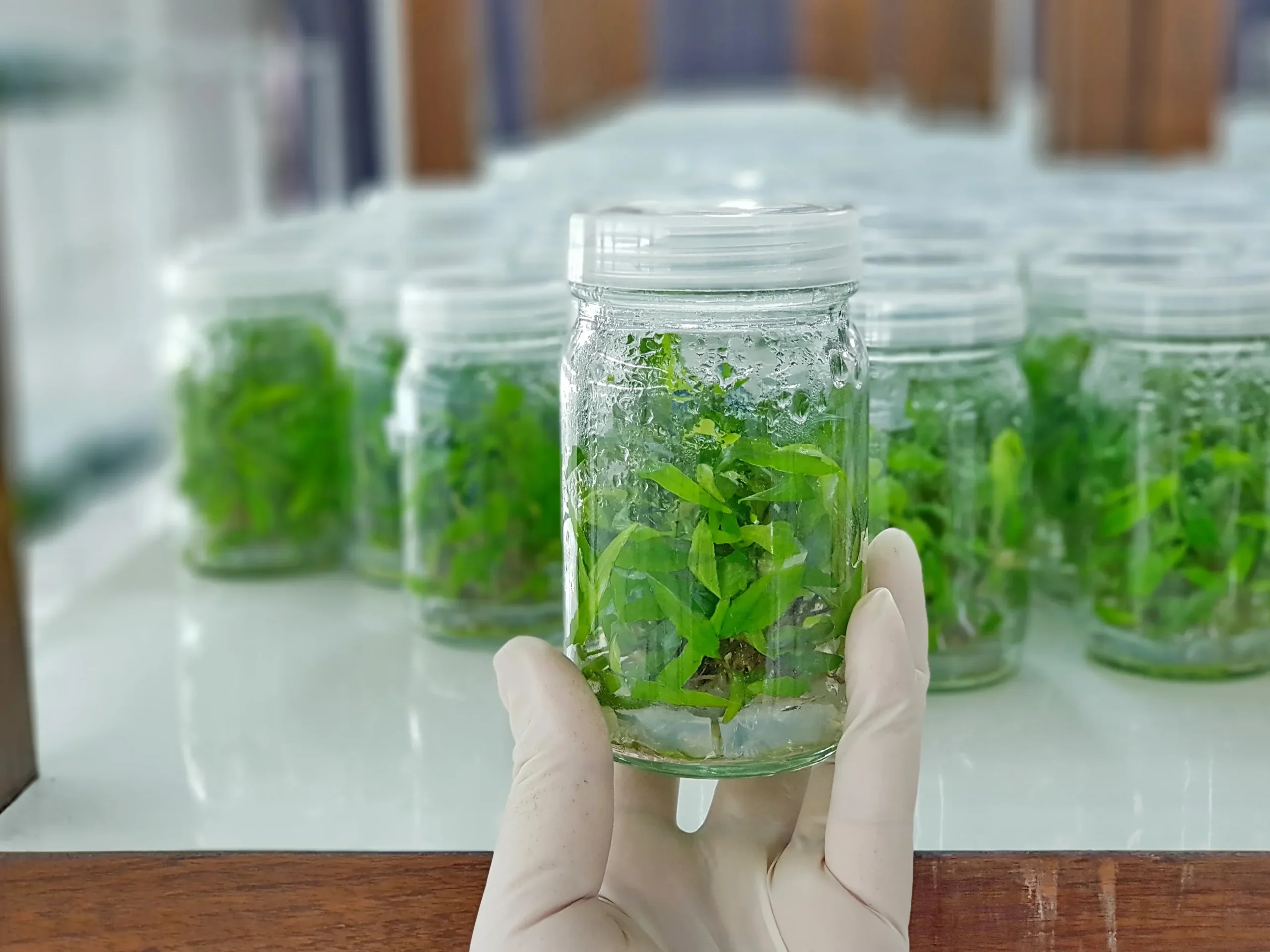
Sourcing healthy tropical plants in commercial quantities requires careful planning, reliable suppliers, and a clear understanding of product specifications. Nurseries, garden centers, plant retailers, and distributors need planting material that meets their quality expectations while fitting their production schedules and budgets. Tissue culture has become an important sourcing option because it allows selected plant varieties to be propagated under controlled laboratory conditions and supplied in quantities suitable for commercial cultivation.
For businesses looking to expand their tropical plant collections, purchasing Wholesale Tissue Culture Tropical Plants can provide access to diverse varieties and more organized supply arrangements. However, choosing the right products involves more than comparing prices. Buyers should evaluate plant quality, supplier capabilities, packaging, transportation, documentation, and post-delivery care before confirming an order.
1. Identify Your Business and Market Requirements
The first step in sourcing tissue culture plants is understanding what your business actually needs. Different buyers have different priorities depending on their customers, available growing facilities, and sales channels.
For example, a wholesale nursery may prioritize large quantities of popular tropical foliage varieties, while a specialty plant retailer may focus on distinctive cultivars with strong decorative appeal.
Before contacting suppliers, consider:
- Which tropical plant varieties are suitable for your target customers?
- What quantities do you need for each variety?
- Will plants be grown further before resale?
- What greenhouse or acclimatization facilities are available?
- How frequently will you need repeat shipments?
Defining these requirements helps narrow down suitable suppliers and makes product comparisons more accurate.
2. Research Suppliers and Compare Their Product Ranges
Not every tissue culture supplier offers the same varieties, production capabilities, or commercial services. Researching several potential suppliers can help buyers identify businesses that match their requirements.
Start by reviewing supplier catalogs, product descriptions, plant photographs, and available specifications. Look for clear botanical names and cultivar information rather than relying only on general product categories.
A supplier with a suitable product range can make purchasing more convenient, especially when you want to source multiple tropical varieties through one business relationship.
You should also consider whether the supplier regularly produces the varieties you need or only offers them occasionally. Availability and lead times can have a significant impact on nursery planning.
3. Evaluate Plant Quality Before Ordering
Plant quality should be a major consideration when sourcing tissue culture products. Although these plants are propagated under controlled laboratory conditions, their final condition depends on source material, laboratory procedures, and handling practices.
Ask suppliers how they maintain quality throughout propagation. Where possible, request samples or detailed photographs that show the actual plant stage being offered.
Important quality indicators include:
- Healthy foliage appropriate to the species
- Suitable root development for the supplied growth stage
- Normal plant structure and shoot development
- Correct variety identification
- No obvious signs of contamination or physical damage
Buyers should also ask how production batches are inspected before shipment. Clear quality procedures provide greater confidence when purchasing plants in commercial quantities.
4. Understand Plant Growth Stages and Specifications
Tissue culture plants can be supplied at different developmental stages. Some are still in culture containers, while others may be rooted plantlets or more established young plants.
The right option depends on your facilities, available labor, and intended production schedule.
Before purchasing, confirm the following details:
- Plant size and developmental stage.
- Whether the plants are rooted.
- Number of plants supplied per tray or package.
- Variety names and identification labels.
- Recommended growing media.
- Whether acclimatization has already taken place.
Understanding these specifications helps avoid receiving plants that require more specialized handling than your nursery can provide.
5. Compare Wholesale Prices and Total Purchasing Costs
Wholesale pricing can make bulk purchasing attractive, but buyers should evaluate the complete cost of sourcing and growing the plants.
A low unit price may not represent the best value if packaging, transportation, import charges, or plant losses significantly increase the final expense.
When comparing quotations, review:
- Unit prices for individual varieties
- Minimum order quantities
- Packaging and preparation costs
- Freight and transportation charges
- Import duties and applicable taxes
- Payment conditions
- Expected acclimatization and growing expenses
It is also useful to compare the cost of purchasing tissue culture plants with the cost of propagating the same varieties in-house. This provides a clearer basis for deciding which sourcing method is more suitable.
6. Check Supplier Production Capacity and Order Flexibility
Commercial buyers often need more than a single shipment. They may require regular deliveries to support ongoing production or fulfill orders from retailers and distributors.
A suitable supplier should be able to explain its production capacity, order lead times, and ability to handle repeat purchases.
Ask whether the supplier can accommodate changes in order quantities and whether popular varieties are available throughout the year.
It is also important to understand minimum order requirements. Some suppliers may have different minimum quantities depending on plant variety, packaging format, or production stage.
Reliable communication about availability helps buyers avoid scheduling problems and unexpected inventory shortages.
7. Review Packaging and International Shipping Arrangements
Tissue culture plants can be sensitive to transportation conditions, particularly changes in temperature, humidity, and physical handling. Appropriate packaging helps protect plants during shipment and reduces the risk of damage.
Before placing an order, ask suppliers about their packaging methods and the conditions required during transit.
Important points to confirm include:
- Whether plants are shipped in sealed culture containers, trays, or other formats
- How packages are protected against movement and impact
- Expected shipping duration
- Temperature management requirements
- Shipment tracking arrangements
- Procedures for reporting damaged or missing products
For international purchases, buyers should also clarify shipping responsibilities and confirm which import documents are required by the destination country.
8. Verify Phytosanitary and Import Documentation
Plant imports are subject to regulations designed to reduce the spread of pests and plant diseases. Requirements can vary according to plant species, country of origin, and destination.
Depending on the shipment, buyers may need phytosanitary certificates, import permits, declarations, or other supporting documents.
Before confirming an international order, contact the relevant plant protection authority or customs service to understand the applicable requirements.
Ask the supplier whether it can provide the necessary export documentation and whether it has experience shipping plants to your destination market.
Confirming these details in advance can help prevent customs delays, shipment complications, and unnecessary expenses.
9. Plan for Acclimatization and Nursery Management
Receiving tissue culture plants is only the beginning of the growing process. Young plants often need time to adjust from laboratory conditions to a greenhouse or nursery environment.
During acclimatization, growers must manage humidity, light exposure, temperature, air circulation, and watering carefully. Sudden environmental changes may cause stress and reduce plant survival.
A suitable preparation plan should include:
- Inspecting plants immediately after arrival.
- Separating damaged or questionable material.
- Preparing suitable growing containers and media.
- Adjusting humidity and light gradually.
- Monitoring new root and leaf development.
- Recording plant performance during establishment.
Buyers who lack experience with tissue culture plants should ask suppliers for species-specific cultivation guidance before ordering large quantities.
10. Start with a Trial Order
A trial order is a practical way to evaluate a supplier before entering into a long-term purchasing arrangement.
Even if a supplier has an attractive catalog and competitive prices, actual product quality and delivery performance should be assessed.
A smaller order allows you to check whether the plants match the agreed specifications, arrive in acceptable condition, and respond well to your nursery’s growing conditions.
After receiving the shipment, evaluate:
- Product accuracy and quantity
- Plant condition upon arrival
- Packaging effectiveness
- Delivery time
- Acclimatization performance
- Supplier communication and support
The results provide useful information for deciding whether to increase future order quantities.
11. Build a Long-Term Supplier Relationship
Once a supplier demonstrates reliable performance, maintaining a consistent business relationship can improve purchasing efficiency.
Regular communication helps both parties understand expected demand, production schedules, and product availability. Buyers may also find it easier to coordinate repeat orders and plan the introduction of additional varieties.
However, long-term relationships should still involve regular performance reviews. Monitor product quality, delivery reliability, pricing, and customer service to ensure that the supplier continues to meet your requirements.
Keeping records of previous purchases and plant performance can make future sourcing decisions more accurate.
Conclusion
Sourcing wholesale tissue culture tropical plants involves several important considerations, from selecting suitable varieties and evaluating plant quality to comparing costs, reviewing shipping arrangements, and preparing for acclimatization. A careful purchasing process helps commercial buyers reduce uncertainty and obtain planting material that fits their operational needs.
The best sourcing decisions combine reliable supplier selection with realistic production planning and proper plant care. By reviewing specifications, verifying documentation, starting with trial orders, and maintaining clear communication, nurseries and retailers can develop dependable supply relationships that support long-term business growth.