


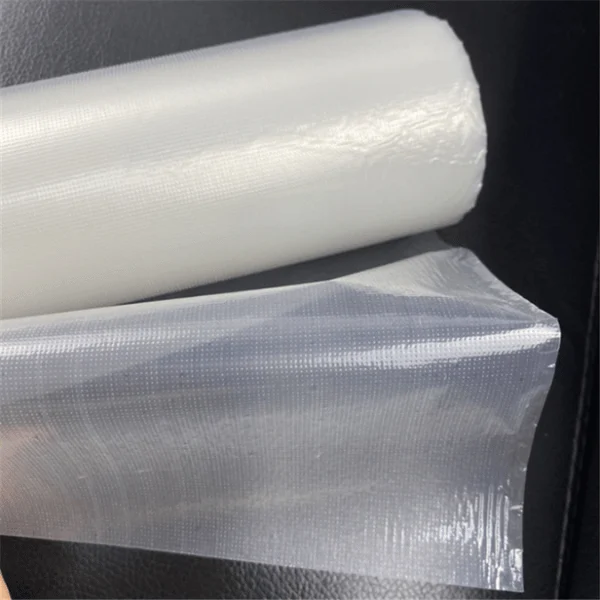
Temperature is an important factor in the dissolution behavior of materials designed to dissolve in water. For water soluble packaging, the temperature of the surrounding water can affect how quickly the film becomes hydrated, softens, and eventually disperses.
Understanding this relationship is useful when selecting packaging materials for different applications. The performance of Water Soluble Film can vary depending on water temperature, film formulation, thickness, and the conditions under which dissolution takes place. POLYVA is involved in PVA film solutions where controlled dissolution characteristics are an important consideration.
What Is Film Dissolution?
Dissolution occurs when a water-soluble material interacts with water and gradually disperses into the surrounding liquid. Unlike materials that simply break apart, a soluble film is intended to become part of the aqueous system under suitable conditions.
The speed and completeness of dissolution depend on the properties of the film and its environment. Temperature is one of several variables that can influence this process.
Why Temperature Matters
Water temperature affects the interaction between water molecules and the film surface. In many applications, warmer water can promote faster hydration and dissolution, while colder water may slow the process.
However, the relationship is not identical for every film. Different PVA formulations are engineered for different dissolution profiles, so actual performance should be determined through testing rather than temperature alone.
Dissolution in Cold Water
Some water-soluble packaging applications require the film to dissolve effectively in relatively cold water. This can be important for products used in household washing, industrial processes, or other environments where water temperature is not elevated.
Film designed for lower-temperature dissolution needs to maintain an appropriate balance between water sensitivity and storage stability.
Factors Affecting Cold-Water Dissolution
Several factors can influence performance in colder water:
- Film formulation
- Film thickness
- Water movement
- Product concentration
- Surface area of the package
- Water chemistry
- Contact time
A package with greater surface exposure may dissolve differently from a thicker or more compact package, even when both use the same basic film material.
Dissolution in Warm Water
Higher water temperatures can increase the rate at which many water-soluble films become hydrated. This can be useful in applications where rapid release of the packaged product is required.
Warm water may also improve the interaction between the film and the surrounding liquid, allowing the package to soften and dissolve more readily.
However, excessively high temperatures are not automatically beneficial. The film and packaged product must both be evaluated under the actual conditions of use.
Film Thickness and Temperature
Film thickness can influence how temperature affects dissolution. Thicker material generally provides more film mass that needs to interact with water before complete dissolution occurs.
For applications requiring a particular dissolution time, manufacturers may adjust film thickness alongside formulation and package design. Testing at the expected water temperature helps establish whether the selected thickness provides the desired result.
Water Movement and Agitation
Temperature is only one part of the dissolution process. Water movement can also have a significant effect.
Agitation continuously brings fresh water into contact with the film surface and helps disperse dissolved material. As a result, a film may dissolve differently in still water compared with a washing machine, mixing tank, or industrial process where water is continuously moving.
Water Chemistry
The composition of the water can influence dissolution behavior as well. Minerals, salts, pH, and other dissolved substances may affect how the film interacts with its environment.
For commercial applications, dissolution testing should therefore use water conditions that reasonably represent the intended application rather than relying only on laboratory water.
Packaging Design and Temperature
The shape and size of a soluble package can influence how temperature affects its dissolution. A thin pouch with a large surface area may have different dissolution characteristics from a compact package containing the same amount of film.
Seal areas can also behave differently from the main film surface. Packaging design should therefore be evaluated as a complete system.
Temperature and Different Applications
Different industries may require different dissolution profiles.
Laundry Products
Laundry products may need to dissolve during a washing cycle where water temperature can vary considerably. The selected film should be compatible with the expected temperature range and washing conditions.
Agricultural Products
Agricultural formulations packaged in soluble pouches are often introduced into water during preparation. The film should dissolve within the expected mixing process without creating unnecessary residue or handling difficulties.
Industrial Chemicals
Industrial applications may involve controlled water temperatures and specific mixing conditions. Film selection can be based on the required dissolution speed, chemical compatibility, and process requirements.
Testing Dissolution at Different Temperatures
Manufacturers can evaluate film performance by testing samples under several controlled temperatures. Measurements may include the time required for the film to disappear, disperse, or reach a specified dissolution endpoint.
Testing at multiple temperatures can reveal how sensitive the material is to changes in operating conditions.
Example Testing Conditions
A basic comparison might evaluate dissolution in:
- Cold water
- Room-temperature water
- Moderately warm water
- Higher-temperature process water
The exact temperatures should be selected according to the intended application and relevant product specifications.
Balancing Dissolution and Storage Stability
A film must be soluble during use but stable enough during manufacturing, transportation, and storage. Increasing water sensitivity can potentially affect handling if environmental moisture is not adequately controlled.
This makes formulation and storage requirements closely connected. The goal is to achieve the required dissolution behavior without compromising the film’s stability before use.
The Role of Film Formulation
Different formulations can be designed to provide different water-solubility characteristics. Polymer composition, additives, processing conditions, and film thickness may all influence dissolution.
For this reason, temperature should not be considered in isolation. A film that dissolves quickly at one temperature may behave differently when used with another formulation or package configuration.
Practical Considerations for Manufacturers
When developing a water-soluble package, manufacturers should consider the actual environment in which the package will be used.
Important questions include:
- What water temperature will the package encounter?
- How quickly must the film dissolve?
- Is the water moving or stationary?
- What is the water chemistry?
- How thick is the film?
- What formulation is contained inside?
- How long will the package remain in contact with water?
Answering these questions helps create a packaging system that performs consistently under real operating conditions.
Conclusion
Temperature can have a meaningful influence on the dissolution of water-soluble film. In many cases, warmer water promotes faster hydration and dissolution, while colder conditions may require a film specifically formulated for effective low-temperature performance.
However, temperature works together with film thickness, formulation, water movement, water chemistry, and package design. Testing the complete packaging system under realistic conditions is therefore essential for determining the expected dissolution behavior and selecting the appropriate film for a particular application.