


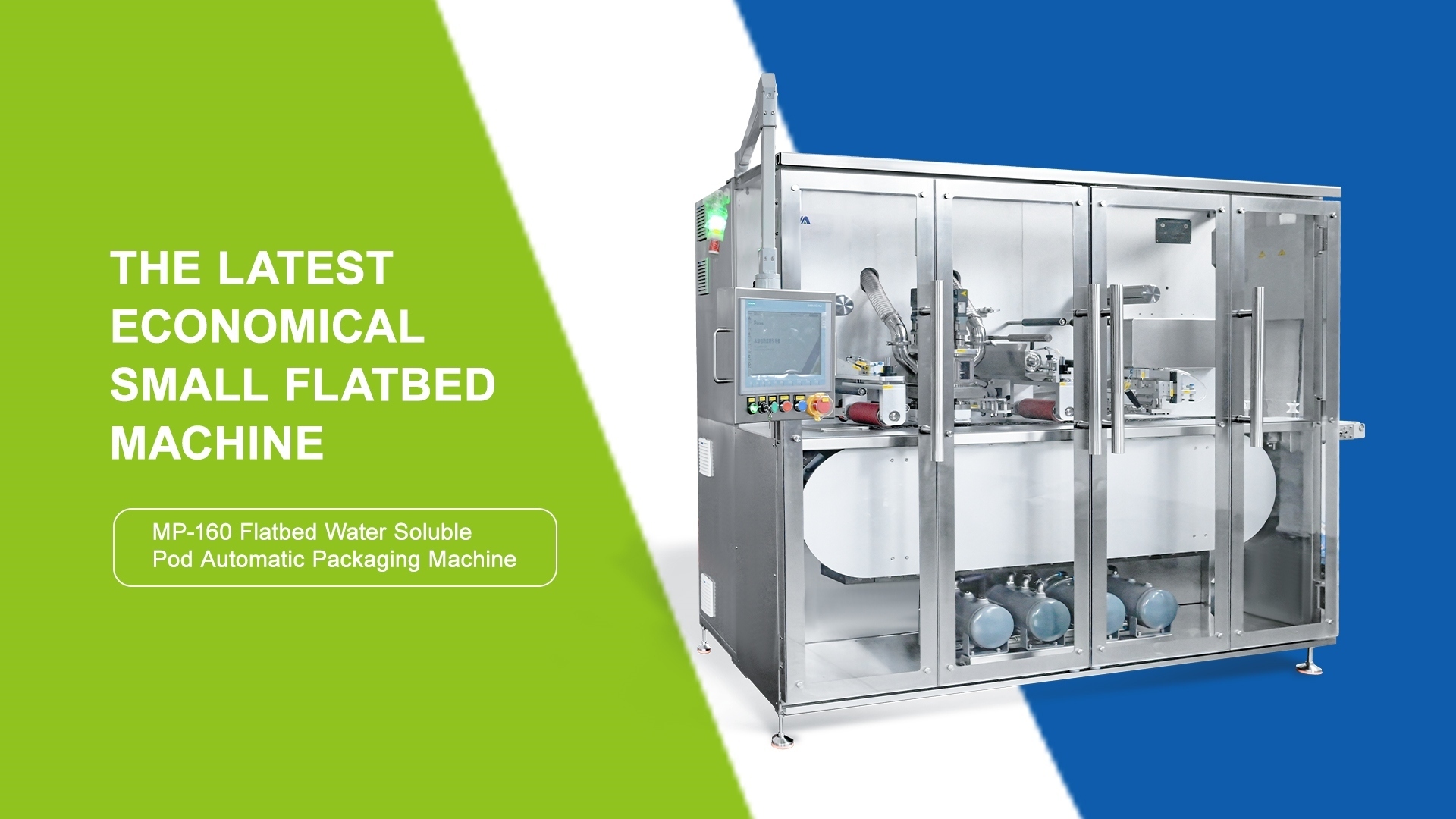
Water-soluble film packaging can simplify the handling and dosing of many products, but maintaining reliable machine operation requires attention to several factors. Film characteristics, product behavior, machine settings, and environmental conditions can all affect day-to-day performance.
A Water Soluble Film Packaging Machine must coordinate multiple processes, including film feeding, pouch forming, filling, and sealing. Understanding common operational challenges can help production teams identify problems early and maintain consistent packaging results.
Film Feeding and Alignment Issues
One of the most common operational concerns involves keeping the film correctly aligned as it moves through the machine. Uneven tension, incorrect positioning, or inconsistent film movement can affect pouch formation.
Operators should regularly inspect rollers, guides, tension systems, and film paths. Correct alignment helps reduce wrinkles, shifting, and interruptions during production.
Moisture Sensitivity
Water-soluble film can react to unsuitable humidity conditions. Excessive moisture around storage or production areas may affect film handling and sealing performance.
Keeping film in appropriate storage conditions and controlling the packaging environment can help reduce moisture-related problems. Film should also be handled according to the supplier’s recommended conditions.
Inconsistent Product Dosing
Accurate dosing is essential when each pouch needs to contain a specific quantity of product. Variations in product viscosity, density, flow behavior, or temperature can influence filling consistency.
Regular calibration of pumps, augers, or other dosing components can help maintain stable fill volumes. Operators should also monitor product supply to prevent interruptions during filling.
Pouch Formation Problems
Poorly formed cavities can result from incorrect forming conditions, film movement, or mechanical alignment. If the film does not conform properly to the forming area, the finished pouch may have inconsistent dimensions.
Routine inspection of forming components and machine settings can help identify the source of these issues before they affect large production batches.
Sealing Difficulties
Sealing performance depends on several variables, including temperature, pressure, timing, film condition, and machine speed. An unsuitable combination can lead to weak seals or deformation.
Instead of adjusting one parameter without considering the others, operators should evaluate the complete sealing cycle. Changes should be tested gradually to determine their effect on package quality.
Product Leakage
Leaks can occur when sealing conditions are unsuitable, when product reaches the sealing area, or when pouch components are damaged during production.
Keeping the sealing surfaces clean and maintaining accurate filling positions can reduce the likelihood of product interfering with the seal.
Machine Speed and Stability
Increasing production speed does not always result in higher usable output. At excessive speeds, problems such as filling variation, film misalignment, incomplete sealing, or product buildup may become more frequent.
The practical operating speed should therefore balance throughput with package quality and machine stability.
Sensor and Control Problems
Automated packaging equipment relies on sensors to monitor film position, pouch formation, product presence, and other operating conditions. Dirty, misaligned, or incorrectly calibrated sensors can generate false signals or fail to detect actual problems.
Regular sensor inspection and preventive maintenance can help keep automated functions reliable.
Product Compatibility
Different products behave differently during filling. Powders may require controlled feeding to prevent dust and inconsistent dosing, while liquids and gels can present different flow and viscosity challenges.
Machine configuration should be matched to the characteristics of the product rather than relying on identical settings for every application.
Film Storage and Handling
Improper storage can affect film before it even reaches the packaging machine. Exposure to unsuitable humidity, temperature, dust, or physical pressure may change how the material behaves during production.
Packaging teams should establish clear procedures for receiving, storing, transporting, and loading film to maintain consistent material condition.
Cleaning and Material Buildup
Product residue can accumulate around filling nozzles, forming areas, sealing components, and other machine surfaces. Over time, buildup may interfere with machine movement or affect package quality.
A suitable cleaning schedule helps prevent small deposits from becoming operational problems. Cleaning procedures should be compatible with the machine components and the packaged product.
Unplanned Downtime
Unexpected stops can result from film problems, mechanical wear, sensor faults, product supply interruptions, or incorrect settings.
Preventive maintenance can reduce some of these interruptions by identifying worn components before they fail. Keeping records of recurring alarms and stoppages can also help maintenance teams identify patterns.
Changeover Challenges
Changing between pouch sizes, products, or packaging formats may require adjustments to multiple machine parameters. Poorly coordinated changeovers can increase setup time and create quality inconsistencies during startup.
Standardized setup procedures and documented machine parameters can make changeovers more repeatable.
Operator Training
Even highly automated equipment requires knowledgeable operators. Staff should understand normal machine behavior, basic troubleshooting procedures, safety requirements, and the effects of major operating parameters.
Training is particularly useful when operators need to distinguish between a film-related problem, a dosing issue, and a mechanical fault.
Preventive Maintenance
Regular maintenance helps keep packaging equipment operating within its intended conditions. Important areas may include:
- Film rollers and guides
- Filling and dosing components
- Forming assemblies
- Sealing surfaces
- Sensors and switches
- Drive components
- Electrical connections
- Safety devices
Maintenance frequency should reflect machine usage, product characteristics, operating environment, and manufacturer recommendations.
Conclusion
Operational challenges in water-soluble film packaging often result from the interaction of several factors rather than a single machine component. Film condition, environmental control, dosing accuracy, sealing parameters, machine speed, maintenance, and operator practices all contribute to reliable production.
By monitoring these areas systematically and responding to small changes early, production teams can reduce avoidable interruptions and maintain more consistent pouch quality.