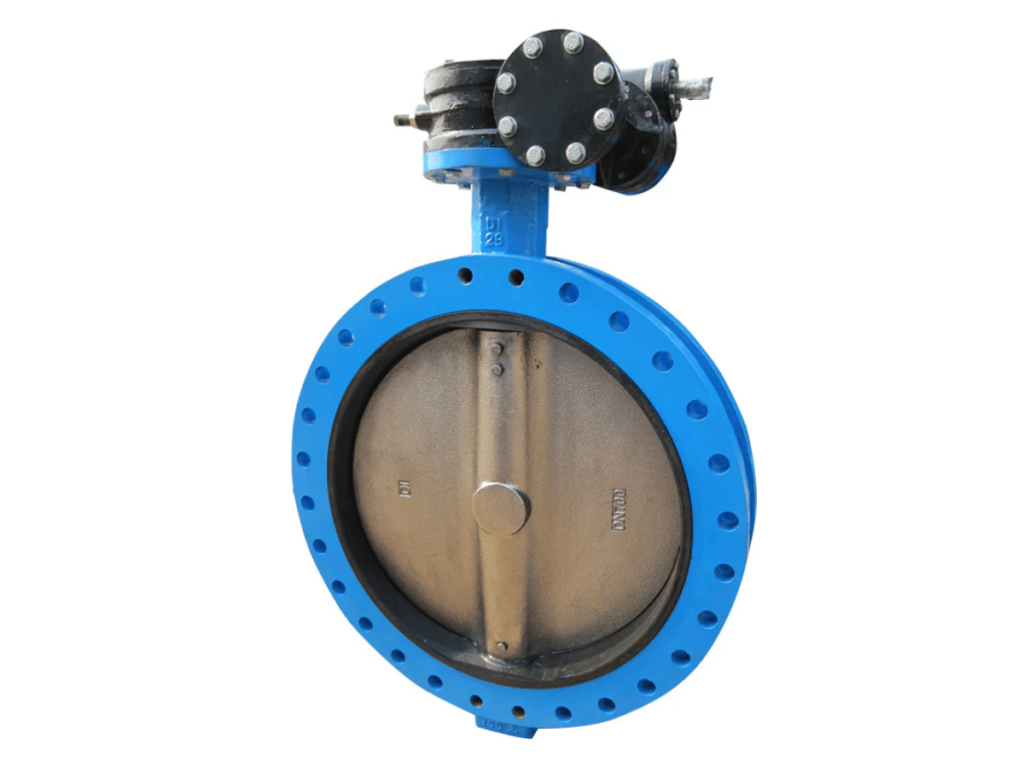
Industrial pipeline systems require dependable valves to control fluid movement, isolate equipment, and maintain safe operating conditions. Different valve designs serve different purposes depending on pressure, temperature, flow rate, and the type of fluid being transported. Among the commonly used industrial valve types, gate valves are valued for their straightforward construction and ability to provide a full-bore flow passage when fully open.
A Gate Valve is a linear-motion valve that controls fluid flow by raising or lowering a gate-like disc inside the valve body. When fully open, the gate moves out of the main flow passage, allowing fluid to pass with relatively little resistance. When closed, it moves down against the seating surfaces to stop flow. This design makes gate valves particularly suitable for isolation applications in water distribution, oil and gas, power generation, and other industrial pipeline systems.
1. What Is a Gate Valve?
A gate valve is a mechanical device used to start or stop fluid flow through a pipeline. It operates by moving a solid or flexible closure element vertically into or out of the flow path.
Unlike control valves designed for continuous flow adjustment, gate valves are primarily intended for fully open or fully closed operation. Their internal arrangement generally provides a relatively unobstructed passage when the valve is open.
Gate valves are available in different sizes, pressure classes, body materials, and connection configurations. These options allow engineers to select suitable models for various industrial environments.
2. How Does a Gate Valve Work?
Gate valves operate through a linear movement mechanism. Turning the handwheel or actuator causes the stem to move the gate upward or downward.
The operating process generally includes three stages:
- Opening: The operator turns the handwheel, raising the gate away from the valve seats.
- Open position: The gate moves clear of the flow passage, allowing fluid to travel through the valve.
- Closing: The stem moves the gate downward until it contacts the seating surfaces and restricts flow.
The time required to open or close a gate valve depends on its size, stem arrangement, and operating mechanism. Larger industrial valves may require multiple handwheel rotations or powered actuation.
Because the gate moves gradually, gate valves are not generally intended for rapid operation or routine throttling.
3. Main Components of a Gate Valve
Understanding the internal and external components helps buyers evaluate product specifications and maintenance requirements.
Valve Body
The body forms the main pressure-containing structure and connects the valve to the pipeline. It may be manufactured from cast iron, ductile iron, carbon steel, stainless steel, or other materials suitable for the application.
Gate or Disc
The gate is the main closure element. It moves vertically to open or close the flow passage. Depending on the design, it may have a solid wedge, flexible wedge, split wedge, or parallel-disc arrangement.
Valve Stem
The stem transfers movement from the handwheel or actuator to the gate. It may be designed as a rising-stem or non-rising-stem arrangement.
Bonnet
The bonnet covers the upper part of the valve body and provides access to internal components. It is typically connected to the body through a bolted, threaded, or pressure-sealed arrangement, depending on the design.
Seat
The seats provide the sealing surfaces against which the gate closes. Their material and surface condition influence shutoff performance and wear resistance.
Handwheel or Actuator
The handwheel provides manual operation, while electric, pneumatic, or hydraulic actuators can be used where powered operation is required.
4. Common Types of Gate Valves
Gate valves are available in several configurations to accommodate different operating conditions and installation requirements.
Wedge Gate Valve
Wedge gate valves use a wedge-shaped closure element that fits between angled seating surfaces. This arrangement helps create a tight seal when the valve is closed.
Common variations include:
- Solid wedge: A rigid construction used in many general industrial applications.
- Flexible wedge: Designed with a degree of flexibility to accommodate certain changes in operating conditions.
- Split wedge: Uses two separate gate segments that can adjust against the seating surfaces.
Parallel Gate Valve
A parallel gate valve uses flat, parallel seating surfaces rather than an angled wedge arrangement. Depending on the design, the sealing force may be generated through pressure or a mechanical mechanism.
Rising Stem Gate Valve
In a rising stem design, the stem moves upward as the valve opens. This provides a visible indication of valve position, which can be useful during inspection and operation.
Non-Rising Stem Gate Valve
In a non-rising stem design, the stem rotates without moving vertically outside the valve body. This arrangement can be useful in installations where overhead clearance is limited.
5. Key Features and Benefits of Gate Valves
Gate valves offer several characteristics that make them suitable for industrial isolation duties.
Low Flow Resistance When Fully Open
When the gate is completely raised, the flow passage is generally unobstructed. This can help reduce pressure loss compared with valve designs that retain a significant obstruction in the open position.
Reliable Isolation
Gate valves are designed to provide a closed barrier across the pipeline. Their sealing performance depends on the valve design, seat condition, pressure, and fluid characteristics.
Wide Size Availability
They are manufactured in a broad range of nominal sizes, making them suitable for small utility lines as well as large industrial pipelines.
Different Material Options
Various body and internal component materials allow gate valves to be configured for water, oil, gas, steam, and other suitable process media.
Manual and Automated Operation
Gate valves can use handwheels, gear operators, or powered actuators depending on their size and operating requirements.
6. Industrial Applications of Gate Valves
Gate valves are used in many industries where reliable pipeline isolation is required.
Water Supply and Distribution
Municipal water networks use gate valves to isolate sections of pipelines during maintenance, repairs, and system modifications. They are also used in pumping stations and water treatment facilities.
Oil and Gas Industry
Gate valves are installed in suitable oil and gas pipelines, processing facilities, and storage systems. Their pressure ratings, materials, and sealing arrangements must meet the requirements of the specific service.
Power Generation
Power plants use gate valves in selected steam, cooling water, and auxiliary service systems. High-temperature and high-pressure applications require specialized designs and appropriate material specifications.
Chemical Processing
Chemical facilities may use gate valves to isolate process lines carrying compatible liquids and gases. Material selection is essential to prevent corrosion and deterioration.
Industrial Manufacturing
Manufacturing plants use gate valves in utility and process pipelines where equipment isolation is necessary for maintenance and operational control.
7. Gate Valve vs. Other Common Industrial Valves
Understanding the differences between gate valves and other valve types helps engineers choose equipment that matches the intended function.
| Valve Type | Primary Function | Main Operating Characteristic |
|---|---|---|
| Gate valve | Isolation | Linear movement of a gate |
| Butterfly valve | Isolation and suitable flow regulation | Quarter-turn disc movement |
| Globe valve | Flow regulation | Disc moves toward or away from a seat |
| Check valve | Reverse-flow prevention | Automatic operation based on flow direction |
| Ball valve | Isolation and on-off control | Quarter-turn rotating ball |
Gate valves are generally preferred when a pipeline requires full-flow isolation rather than frequent flow adjustment. Butterfly valves may be more practical where compact construction is important, while globe valves are often considered for applications requiring more controlled throttling.
8. Important Factors When Selecting a Gate Valve
Choosing the correct gate valve requires a detailed understanding of pipeline operating conditions and project requirements.
Pressure and Temperature Ratings
Confirm that the valve’s pressure class and temperature limits match the system’s operating conditions. High-pressure or high-temperature applications may require specialized construction.
Valve Size and Connection Type
Check the nominal diameter, face-to-face dimensions, and connection arrangement. Common connections include flanged, threaded, and welded configurations.
Material Compatibility
The body, gate, stem, and seats should be suitable for the fluid being transported. Corrosive chemicals, abrasive media, and high-temperature fluids may require specific material combinations.
Sealing Performance
Review the required leakage performance and ensure that the selected valve design meets the project’s isolation requirements.
Operating Method
Determine whether manual operation is sufficient or whether a gearbox or powered actuator is necessary. Consider valve size, operating frequency, available space, and access.
Applicable Standards
Depending on the application, relevant standards may include API, ASME, ISO, and other industry-specific requirements. Buyers should confirm the exact standards and documentation required for the project.
9. Installation and Maintenance Best Practices
Correct installation helps ensure that a gate valve performs reliably and avoids unnecessary mechanical stress.
Before installation, inspect the valve for transportation damage and confirm that its size, pressure rating, and connection dimensions match the pipeline.
Important installation practices include:
- Clean the pipeline and remove debris before fitting the valve.
- Confirm the valve’s permitted installation orientation.
- Align the pipeline connections correctly.
- Follow the manufacturer’s instructions for flange bolts, gaskets, or welded connections.
- Avoid forcing the valve into position.
- Operate the valve carefully to confirm smooth movement.
- Check the connections and stem area for leakage after installation.
Maintenance should include inspecting the stem, packing, bonnet connections, gate, and seating surfaces. Operators should also monitor unusual operating resistance and signs of corrosion.
Before servicing, the pipeline must be isolated, depressurized, and made safe according to established procedures. Gate valves should not be routinely operated in partially open positions unless the manufacturer specifically permits the intended service.
10. Common Gate Valve Problems and Their Prevention
Like other mechanical pipeline components, gate valves may develop problems during long-term operation.
Leakage Through the Closed Valve
Damaged seating surfaces, debris, or improper operation can prevent the gate from sealing correctly. Regular inspection and appropriate cleaning help reduce this risk.
Stem Leakage
Worn packing or damaged stem surfaces may cause leakage around the stem. Replacing packing and maintaining the sealing area can help restore performance.
Difficult Operation
Corrosion, deposits, insufficient lubrication where applicable, or internal damage may increase operating torque. Investigating unusual resistance can prevent further component damage.
Corrosion and Wear
Exposure to incompatible fluids or environmental conditions can deteriorate valve materials. Correct material selection and suitable protective measures are important for long-term reliability.
Conclusion
Gate valves are important components in industrial pipeline systems because they provide dependable isolation through a straightforward linear-motion operating mechanism. Their relatively unobstructed flow passage when fully open, wide range of sizes, and availability in different materials make them suitable for water distribution, oil and gas, power generation, chemical processing, and manufacturing applications.
Selecting the right gate valve requires careful evaluation of pressure and temperature ratings, material compatibility, connection dimensions, sealing requirements, and operating methods. Proper installation and routine maintenance further support reliable performance. By matching valve design and specifications to actual pipeline conditions, industrial operators can improve system safety, simplify maintenance, and maintain efficient fluid transportation.