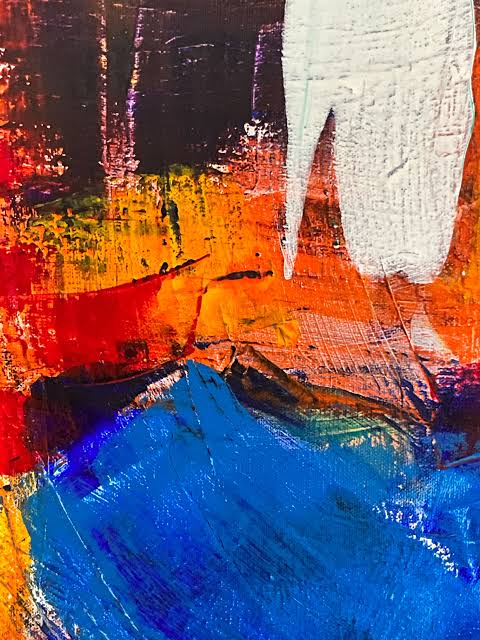
Color and technique are two essential elements that shape the visual identity of abstract artwork. Through carefully selected shades, expressive brushstrokes, and creative paint applications, artists can communicate emotions and develop compositions that capture attention. Modern abstract art offers considerable freedom in combining colors and experimenting with different methods, allowing each painting to express a distinctive artistic perspective.
A Modern Abstract Oil Painting often combines unconventional color relationships with innovative painting techniques to create depth, movement, and visual interest. Some artists prefer bold contrasts and energetic textures, while others work with subtle gradients, layered tones, and minimalist compositions. Understanding these popular approaches can help art enthusiasts appreciate abstract paintings and choose artwork that complements their personal preferences.
1. Bold and Vibrant Color Palettes
Bright, energetic colors are widely used in modern abstract oil painting. Artists may combine red, orange, yellow, turquoise, and vivid blue to create compositions with strong visual impact.
These palettes can communicate excitement, movement, and confidence. Contrasting shades help individual shapes stand out, while overlapping colors create relationships between different areas of the canvas.
Vibrant abstract paintings are often suitable for contemporary interiors that need a distinctive focal point. They can work particularly well in living rooms, creative studios, and spaces with neutral furniture.
2. Neutral and Earth-Tone Combinations
Not every abstract painting relies on intense colors. Neutral and earth-tone palettes are also popular because they create a more understated and balanced appearance.
Common combinations include:
- Beige and warm white for a soft, minimal look.
- Brown and terracotta for natural warmth.
- Gray and charcoal for a contemporary atmosphere.
- Olive green and muted gold for subtle contrast.
- Cream and taupe for a refined, understated composition.
These colors can be layered to produce depth without making the artwork visually overwhelming. Earth-tone abstract paintings are especially suitable for interiors featuring wood, stone, linen, and other natural materials.
3. Monochromatic Color Schemes
A monochromatic palette uses variations of a single dominant color. Instead of relying on several unrelated shades, artists explore different tones, tints, and levels of intensity within one color family.
For example, a blue abstract painting might combine pale blue, navy, turquoise, and deep indigo. Differences in brightness and saturation create contrast while maintaining a consistent visual identity.
This approach can produce a calm and cohesive composition. It also demonstrates how artists can create complexity through color variation rather than using a large number of contrasting hues.
4. Warm and Cool Color Contrasts
Another popular approach involves combining warm and cool colors. Warm shades such as red, orange, and yellow can create a sense of energy, while cool colors such as blue, green, and violet often produce a more subdued visual effect.
Artists may use these contrasting groups to establish visual balance or guide attention across the canvas. For example, a composition dominated by cool blue tones might include small areas of orange to create a striking contrast.
The placement and proportion of each color are important. Too many competing shades can make a composition feel crowded, while carefully controlled contrast can strengthen its overall structure.
5. Layering and Color Glazing
Layering is a fundamental technique in oil painting. Artists apply multiple layers of paint to develop depth, modify colors, and create complex visual effects.
One related method is glazing, which involves applying a thin, transparent layer of paint over a dry layer beneath it. This can subtly change the appearance of the underlying color while allowing earlier layers to remain visible.
In abstract painting, glazing can produce luminous color relationships and gradual transitions. Artists may combine transparent layers with more opaque applications to create variations in texture and intensity.
6. Expressive Brushwork
Brushwork has a major influence on the character of modern abstract oil paintings. Rather than hiding individual strokes, many artists deliberately make them visible as part of the composition.
Different brush movements can produce different effects:
- Broad strokes: Create large areas of color and a sense of movement.
- Short strokes: Introduce rhythm and repeated visual patterns.
- Circular strokes: Produce curved forms and flowing movement.
- Dry brushing: Creates broken, textured marks with less paint coverage.
- Blended strokes: Soften transitions between neighboring colors.
The direction, pressure, and size of each brushstroke influence how the viewer experiences the painting.
7. Palette-Knife Painting
Palette-knife painting is a technique in which artists use a flexible metal or plastic tool instead of a traditional brush. The knife can spread, scrape, layer, and shape oil paint directly on the canvas.
This method often creates thick applications and distinctive surface textures. Artists can use it to produce sharp edges, broad color fields, raised patterns, and irregular shapes.
Palette-knife techniques are particularly effective when the goal is to emphasize the physical qualities of oil paint. They can also introduce a sense of spontaneity and movement into an abstract composition.
8. Impasto and Heavy Texture
Impasto involves applying paint in thick layers so that brushstrokes or other marks remain raised above the canvas surface. The resulting texture can make an abstract painting feel more dimensional.
Artists may use brushes or palette knives to build up paint in selected areas. When light falls across the raised surfaces, small shadows and highlights become visible, adding another level of visual interest.
Impasto is often used in expressive compositions where texture plays as important a role as color. It can also create contrast between heavily painted sections and smoother areas.
9. Dripping, Splattering, and Pouring Techniques
Some modern abstract artists use fluid painting methods to create unpredictable patterns and dynamic compositions. These methods include dripping, splattering, and pouring paint onto the canvas.
Each approach produces different results. Dripping can create flowing lines, splattering introduces scattered marks, and pouring allows colors to spread and interact across the surface.
Although these techniques may appear spontaneous, artists often make deliberate decisions about color selection, paint consistency, and composition. Controlling the relationship between random effects and intentional structure helps create a balanced final piece.
10. Geometric Shapes and Structured Composition
Not all abstract painting is based on free-flowing marks and irregular forms. Geometric abstraction uses structured shapes such as circles, rectangles, triangles, and straight lines.
Artists may combine these forms with contrasting colors and carefully arranged spaces to create a sense of order. Some compositions use repeated patterns, while others explore asymmetry and visual tension.
Geometric approaches can produce a clean, contemporary appearance. They are often suitable for modern interiors where furniture, lighting, and architectural features emphasize simple shapes.
11. Combining Multiple Techniques
Many contemporary abstract artists combine several methods within one painting. For example, a canvas might include broad brushstrokes, palette-knife textures, transparent color layers, and small areas of splattered paint.
Combining techniques can create contrast between smooth and rough surfaces, controlled and spontaneous marks, or transparent and opaque colors.
However, successful combinations require thoughtful planning. Each method should contribute to the composition rather than compete for attention. Artists often use repeated colors or shapes to connect different sections of the artwork.
12. How to Choose a Color Palette and Technique for Your Space
Understanding color palettes and painting techniques can also help buyers select artwork for their homes or workplaces. The right choice depends on the atmosphere, existing decor, and available wall space.
Consider these practical points:
- Match the atmosphere: Choose softer palettes for understated interiors and stronger contrasts when a room needs more energy.
- Consider existing materials: Artwork with earth tones can complement wood and stone, while cooler palettes may suit glass, metal, and minimalist furniture.
- Evaluate texture: Thick impasto and palette-knife work can add dimension, while smoother compositions may create a more restrained appearance.
- Think about scale: Large canvases can display broad color relationships effectively, while smaller pieces can introduce detail without dominating a room.
- Look beyond current trends: Select combinations that you genuinely enjoy rather than choosing a painting only because its colors are fashionable.
These considerations make it easier to find abstract artwork that feels connected to its surroundings while retaining its individual character.
Conclusion
Popular color palettes and techniques give modern abstract oil painting its remarkable variety. From vibrant contrasts and monochromatic schemes to expressive brushwork, palette-knife applications, and layered textures, each artistic approach offers different ways to explore color and form.
There is no single formula for creating an effective abstract painting. The strongest compositions often result from thoughtful experimentation, a clear artistic vision, and a balanced relationship between visual elements. For art enthusiasts exploring different styles and decorative possibilities, ARTLAND offers an opportunity to discover abstract oil paintings that reflect individual taste and complement contemporary spaces.