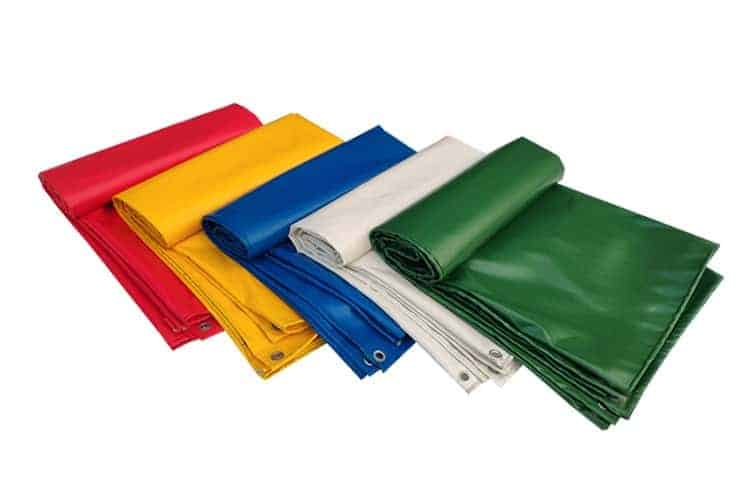
Selecting the right PVC tarpaulin supplier is an important decision for businesses involved in transportation, construction, agriculture, logistics, and industrial operations. The quality of these materials can directly influence product protection, operational efficiency, and long-term purchasing costs.
With many suppliers offering different products, specifications, and prices, making the right choice requires careful research. Asking the right questions before placing an order can help you evaluate potential suppliers and avoid unnecessary risks. When comparing PVC Tarpaulin Manufacturers, focus on their product quality, manufacturing capabilities, experience, and ability to meet your specific business requirements.
1. What Raw Materials Do You Use?
The quality of a PVC tarpaulin largely depends on the materials used during production. The base fabric, PVC coating, and other components influence the product’s strength, flexibility, and resistance to environmental conditions.
Ask manufacturers about their raw material sources and the specifications they follow during production.
You should also find out whether their materials are suitable for your intended application, particularly if the tarpaulins will be exposed to harsh weather or frequent handling.
2. What Types of PVC Tarpaulins Do You Manufacture?
Not all PVC tarpaulins are designed for the same purpose. Different industries require materials with specific thicknesses, weights, strengths, and protective properties.
Ask whether the manufacturer offers products suitable for your industry.
Common applications include:
- Truck and trailer covers.
- Agricultural covers.
- Industrial curtains.
- Warehouse enclosures.
- Construction site coverings.
- Outdoor shelters and protective structures.
A supplier with a suitable product range can make it easier to find materials that match your operational needs.
3. What Is Your Manufacturing Capacity?
Production capacity is particularly important for wholesalers, distributors, and businesses that purchase large quantities.
A manufacturer may offer competitive pricing but still struggle to complete substantial orders within your required timeframe.
Ask about monthly production capacity, available machinery, minimum order quantities, and the ability to manage repeat orders.
You should also clarify how the company handles sudden increases in demand or urgent purchasing requirements.
4. What Quality Control Procedures Do You Follow?
Consistent quality is essential when purchasing PVC tarpaulins in bulk. Manufacturing defects or inconsistent material specifications can lead to product failures and additional expenses.
Ask manufacturers how they inspect raw materials, monitor production, and evaluate finished products.
Depending on the application, relevant quality tests may include:
- Tensile strength testing.
- Tear resistance testing.
- Waterproofing assessment.
- Coating adhesion testing.
- UV resistance evaluation.
- Thickness and weight measurements.
Request relevant test reports or technical documentation to verify the manufacturer’s quality claims.
5. Can You Provide Product Samples?
Product samples allow buyers to examine material quality before making a larger purchasing commitment.
Ask whether the manufacturer can provide samples of the specific tarpaulin you intend to purchase.
During inspection, consider the material’s thickness, flexibility, surface finish, coating consistency, and overall construction.
If possible, compare samples from different suppliers to identify differences in workmanship and material performance.
Testing samples under conditions similar to their intended use can provide additional confidence.
6. Do You Offer Customized Manufacturing?
Standard products may not always meet the requirements of specialized applications.
For example, a transportation business may need customized truck covers, while an industrial facility may require PVC curtains with particular dimensions and reinforcement features.
Ask manufacturers whether they can accommodate:
- Custom sizes and dimensions.
- Different colors and fabric weights.
- Specific thickness requirements.
- Reinforced edges and finishing.
- Specialized coatings.
- Application-specific material properties.
Also confirm customization costs, minimum quantities, and additional production time before confirming an order.
7. What Certifications and Industry Standards Do You Meet?
Certifications and testing documentation can help buyers understand a manufacturer’s quality management practices and product compliance.
Ask whether the company holds relevant certifications, such as ISO 9001, and whether these certifications are current and independently verifiable.
It is also important to clarify whether the products meet any specific technical or regulatory requirements applicable to your industry or destination market.
Remember that a management system certification does not automatically guarantee the performance of every product. Product-specific test reports remain important.
8. What Are Your Prices and Payment Terms?
Pricing is an important consideration, especially when purchasing PVC tarpaulins in bulk.
However, the lowest quotation does not necessarily provide the best overall value. Lower prices may sometimes reflect differences in material specifications, thickness, or manufacturing quality.
Ask manufacturers for a detailed quotation covering:
- Unit prices and bulk discounts.
- Customization charges.
- Packaging expenses.
- Shipping costs.
- Minimum order quantities.
- Payment methods and conditions.
Comparing complete quotations makes it easier to understand the actual cost of purchasing from each supplier.
9. What Is Your Production and Delivery Time?
Delivery delays can affect inventory management, project schedules, and customer commitments.
Before placing an order, ask how long production usually takes and whether the manufacturer can meet your required delivery date.
For international orders, discuss shipping methods, packaging, export documentation, and estimated transportation times.
It is also helpful to clarify how the supplier communicates unexpected delays or changes in production schedules.
10. Do You Have Experience with International Buyers?
If your business imports PVC tarpaulins, working with a manufacturer familiar with international trade can make procurement easier.
Ask whether the supplier regularly handles overseas orders and understands export procedures.
You may also want to discuss its experience with international packaging requirements, shipping arrangements, customs documentation, and communication across different time zones.
Previous export experience can be useful, but buyers should still verify the supplier’s actual capabilities and references.
11. What After-Sales Support Do You Provide?
A manufacturer’s responsibilities should not necessarily end when an order is delivered.
Ask how the company handles product complaints, manufacturing defects, replacement requests, and warranty-related issues.
You should also clarify the terms and conditions under which defective products may be replaced or compensated.
Reliable after-sales support can help protect your purchasing investment and create a more stable supplier relationship.
12. Can You Share Customer References or Previous Projects?
A manufacturer’s business history can provide useful information about its experience and reliability.
Ask whether the supplier can share customer references, examples of previous projects, or information about the industries it serves.
You can also review independent customer feedback and verify relevant business credentials.
These checks help you understand how the manufacturer performs in real business situations rather than relying entirely on marketing claims.
Common Mistakes to Avoid When Selecting a Manufacturer
Even after asking the right questions, buyers can make mistakes that lead to unnecessary purchasing problems.
Some common mistakes include:
- Choosing a supplier based only on the lowest price.
- Ignoring technical specifications and material quality.
- Placing large orders without checking product samples.
- Failing to confirm production and delivery schedules.
- Overlooking customization requirements.
- Accepting quality claims without supporting documentation.
- Neglecting payment terms and after-sales conditions.
Taking time to verify these details can significantly reduce procurement risks.
Conclusion
Choosing the right PVC tarpaulin supplier requires more than comparing product prices. Asking detailed questions about raw materials, manufacturing capacity, quality control, customization, certifications, and delivery arrangements helps businesses make informed purchasing decisions.
International buyers should also evaluate customer support, export experience, and long-term supplier reliability before entering into a business agreement.
By conducting proper research and verifying important details, businesses can identify manufacturers that meet their technical requirements, maintain consistent product quality, and support their future purchasing needs.