


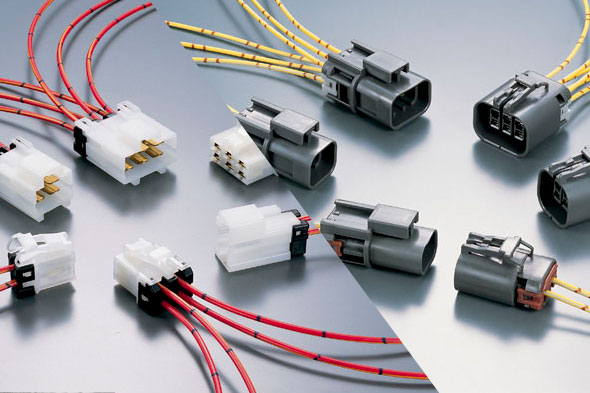
M type connector solutions are widely used in industrial automation, transportation systems, robotics, and electronic equipment where reliable electrical performance and long-term durability are essential. In such demanding environments, the quality of materials and manufacturing processes directly determines connector performance, safety, and lifespan.
As modern systems continue to evolve toward higher precision and efficiency, the importance of high-quality interconnection components has increased significantly. The m type connector is designed with carefully selected materials and strict manufacturing standards to ensure stable electrical transmission, resistance to harsh conditions, and consistent mechanical performance over time.
Importance of Material Selection in M Type Connectors
Material selection is one of the most critical factors in connector design. It affects conductivity, durability, corrosion resistance, and overall system reliability. In industrial environments, connectors are exposed to vibration, moisture, dust, and chemical substances, making material quality essential for long-term operation.
High-performance materials ensure that electrical signals remain stable while minimizing energy loss and preventing overheating. They also help maintain structural integrity during repeated mating cycles and mechanical stress.
Conductive Materials and Electrical Efficiency
The conductive elements of M type connectors are typically made from copper-based alloys due to their excellent electrical conductivity. These materials ensure efficient signal and power transmission with minimal resistance.
To further enhance performance, contact surfaces are often plated with materials such as gold, silver, or nickel. These coatings provide:
- Improved corrosion resistance
- Stable conductivity over long-term use
- Reduced contact resistance
- Enhanced wear resistance during repeated connections
These features are essential for maintaining reliable performance in high-demand industrial and electronic systems.
Housing Materials and Structural Strength
The connector housing plays a key role in protecting internal components from mechanical damage and environmental exposure. M type connectors commonly use metal alloys or high-strength engineering plastics depending on application requirements.
Metal housings, such as aluminum or stainless steel, offer superior durability and resistance to impact, vibration, and harsh environments. Engineering plastics provide lightweight construction and good insulation properties, making them suitable for compact or cost-sensitive applications.
In many industrial-grade designs, a combination of metal shells and insulating inserts is used to achieve both strength and electrical safety.
Insulation Materials and Safety Standards
Insulation materials are essential for ensuring electrical safety and preventing short circuits. High-quality insulation also helps maintain signal integrity by reducing interference and leakage.
Common insulation materials include thermoplastics and thermosetting polymers, which offer:
- High dielectric strength
- Resistance to heat and electrical stress
- Long-term dimensional stability
- Protection against environmental degradation
Proper insulation ensures that M type connectors operate safely under varying voltage and temperature conditions.
Surface Treatment and Corrosion Protection
Surface treatment processes are essential for improving the durability and environmental resistance of connectors. Industrial applications often expose connectors to moisture, chemicals, and oxidizing conditions that can degrade performance over time.
To prevent this, M type connectors undergo treatments such as:
- Electroplating for enhanced conductivity
- Anodizing for corrosion resistance
- Protective coatings to prevent oxidation and wear
These treatments extend connector lifespan and ensure stable performance even in harsh operating environments such as outdoor installations and industrial facilities.
Manufacturing Precision and Quality Control
Manufacturing quality plays an equally important role as material selection. Precision engineering ensures proper alignment of contact pins, secure locking mechanisms, and consistent electrical performance.
High-quality manufacturing processes include:
- CNC machining for precise component shaping
- Automated assembly for consistent production quality
- Strict tolerance control for accurate pin alignment
- Electrical testing for conductivity and resistance verification
- Environmental testing for vibration, heat, and moisture resistance
These processes ensure that each connector meets strict performance and safety standards before deployment.
Compliance with Industry Standards
M type connectors are often designed to comply with international industrial standards to ensure safety, compatibility, and reliability. These standards define requirements for electrical performance, mechanical strength, and environmental resistance.
Compliance helps ensure that connectors can be used across different systems and industries without compatibility issues. It also guarantees a minimum level of quality and performance in critical applications such as transportation, automation, and energy systems.
Impact on Long-Term Reliability
The combination of high-quality materials and precise manufacturing directly impacts long-term connector reliability. Well-designed M type connectors maintain stable performance even after repeated use and exposure to harsh conditions.
This reliability reduces maintenance requirements, minimizes downtime, and improves overall system efficiency. In industrial environments where continuous operation is critical, this long-term stability is especially valuable.
Conclusion
Material selection and manufacturing quality standards are fundamental to the performance and durability of M type connectors. From conductive metals and protective coatings to precision manufacturing and strict quality control, every aspect contributes to reliable operation in demanding environments. As industries continue to advance, m type connector solutions will remain essential for ensuring safe, efficient, and long-lasting electrical connectivity across a wide range of applications.