


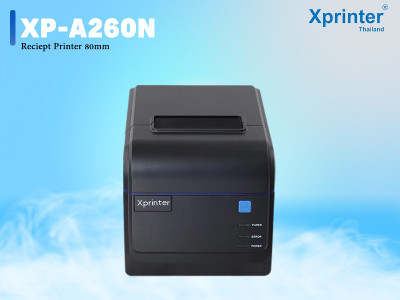
Choosing the right receipt printer is essential for businesses that depend on fast, reliable transactions. Whether you run a retail store, restaurant, café, pharmacy, or supermarket, the right printer can improve efficiency, reduce downtime, and enhance the customer experience. With many models available, understanding the most important features can help you make a smart investment.
A modern Thermal Receipt Printer offers speed, reliability, and low operating costs, making it a popular choice for businesses of all sizes. Before making a purchase, it’s important to evaluate the features that will best support your daily operations.
Fast Print Speed
Print speed is one of the most important factors to consider. A faster printer helps reduce customer waiting times and keeps checkout lines moving during busy periods.
High-speed printing is especially valuable for:
- Retail stores
- Restaurants
- Grocery stores
- Convenience stores
- Ticketing counters
Efficient printing contributes to smoother business operations and improved customer satisfaction.
High Print Quality
Clear and professional receipts are essential for both customers and businesses. A printer with good print resolution produces sharp text, readable barcodes, QR codes, and company logos.
High print quality helps with:
- Accurate barcode scanning
- Professional-looking receipts
- Clear transaction details
- Improved record keeping
Consistent output reduces the need for reprints and minimizes errors.
Multiple Connectivity Options
Businesses use a variety of devices and systems, so flexible connectivity is an important feature.
Look for printers that support:
- USB
- Ethernet
- Wi-Fi
- Bluetooth
- Serial connections
Multiple connection options make it easier to integrate the printer into your existing business setup.
Compatibility With POS Systems
A receipt printer should work seamlessly with your point-of-sale (POS) software and operating system.
Check compatibility with:
- Windows
- macOS
- Linux
- Android
- iOS
Ensuring software compatibility simplifies installation and reduces technical issues.
Compact and Space-Saving Design
Many checkout counters have limited space. A compact printer fits neatly alongside cash registers, barcode scanners, and payment terminals without creating clutter.
A smaller footprint offers several benefits:
- Better workspace organization
- Easier installation
- Improved accessibility
- More efficient counter layouts
Compact designs are particularly useful for small businesses.
Low Maintenance Requirements
One of the biggest advantages of thermal printing is reduced maintenance. Since thermal printers do not require ink cartridges or toner, businesses spend less time servicing equipment.
Low-maintenance printers typically offer:
- Fewer consumables
- Reduced downtime
- Lower maintenance costs
- Longer operating periods
This helps employees stay focused on serving customers.
Durable Construction
Commercial environments require equipment that can withstand continuous daily use. A durable receipt printer provides reliable performance even during high transaction volumes.
Look for features such as:
- Strong housing materials
- Quality internal components
- Reliable paper feed mechanisms
- Stable long-term performance
A well-built printer often requires fewer repairs over its lifetime.
Easy Paper Loading
Quick paper replacement reduces interruptions during busy business hours.
Features that improve paper loading include:
- Drop-in paper loading
- Easy-access paper compartment
- Simple cover opening mechanism
These features allow employees to replace paper rolls quickly without additional training.
Energy Efficiency
Energy-efficient equipment can help businesses reduce electricity consumption while supporting environmentally responsible operations.
Many modern thermal receipt printers include power-saving features that automatically reduce energy use when the printer is idle.
Reliable Paper Handling
Smooth paper feeding is essential for uninterrupted printing.
A quality printer should provide:
- Consistent paper feeding
- Minimal paper jams
- Accurate paper alignment
- Reliable cutting performance, if equipped with an auto-cutter
Reliable paper handling improves productivity and reduces service interruptions.
Support for Different Paper Sizes
Businesses have different receipt requirements depending on their operations.
Most thermal receipt printers support common paper widths such as:
- 58 mm
- 80 mm
Choosing the correct paper size ensures compatibility with your business needs.
Scalability for Business Growth
As your business grows, printing demands may increase. Selecting a receipt printer with flexible connectivity, reliable performance, and broad software compatibility makes it easier to expand without replacing equipment.
A scalable solution helps businesses adapt to future operational needs while maintaining efficiency.
Factors to Consider Before Buying
Before selecting a thermal receipt printer, ask yourself the following questions:
- How many receipts do you print each day?
- Which connection options do you need?
- Is the printer compatible with your POS system?
- What paper size does your business require?
- Will your printing needs increase in the future?
Answering these questions can help you choose a printer that supports both your current and future requirements.
Conclusion
The right thermal receipt printer can improve business efficiency, enhance customer service, and reduce long-term operating costs. Features such as fast print speeds, high print quality, flexible connectivity, durable construction, and low maintenance make a significant difference in everyday operations.
By carefully evaluating these key features before making a purchase, businesses can invest in a reliable printing solution that supports smooth transactions, increased productivity, and long-term operational success.