A bathroom sink serves a basic purpose in every home. People use it to wash their hands, rinse their faces, and complete everyday hygiene routines. However, the needs of someone performing ablution are slightly different. Regular sinks do not always provide enough room or the right height for washing the hands, face, arms, and feet comfortably.
A dedicated Wudu sink addresses these needs through a design that supports the steps of Islamic ablution. Its shape, depth, height, and water arrangement make it more suitable for this routine than a conventional bathroom basin. Understanding these differences helps homeowners, architects, and facility managers choose the right fixture for their spaces.
What Is A Wudu Sink?
A Wudu sink is a specially designed basin used for performing wudu, the Islamic practice of washing specific body parts before prayer. It provides a convenient place to complete ablution without relying on a standard bathroom sink or moving between different washing areas.
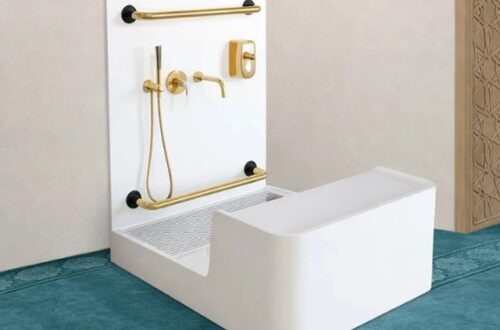
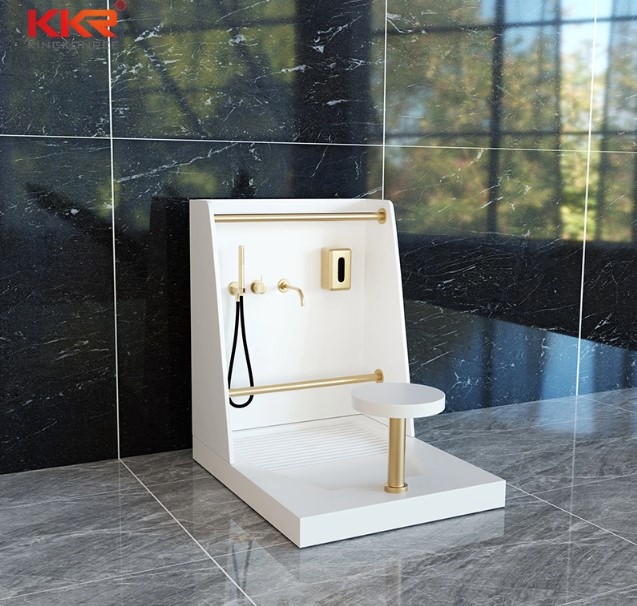
Unlike conventional basins, its design considers the movements involved in washing the face, hands, arms, and feet. Some models feature a lower section or dedicated foot-washing area, making the process more comfortable.
These sinks are commonly installed in Muslim households, mosques, prayer rooms, educational institutions, and other facilities where people perform daily prayers.
How Is A Wudu Sink Different From A Regular Bathroom Sink?
Both fixtures supply water for personal hygiene, yet their designs serve different purposes. A regular bathroom sink focuses mainly on handwashing and face washing. A dedicated ablution basin considers the complete washing routine.
Here are the main differences.
1. Basin Shape And Design
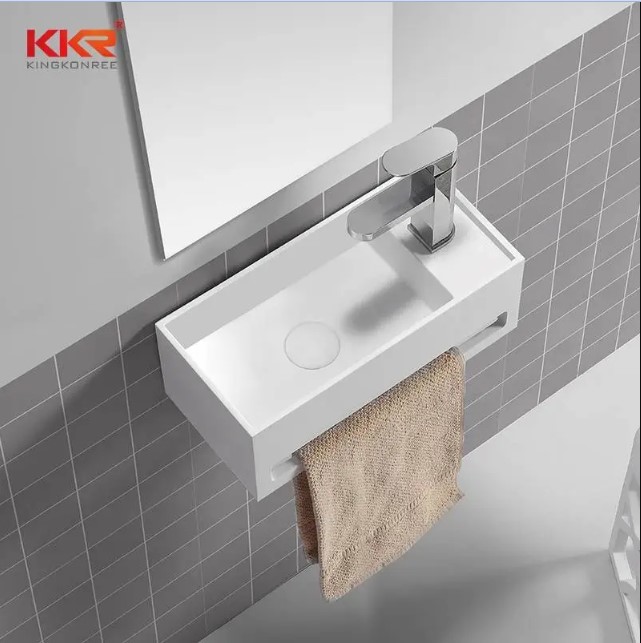
A regular bathroom sink usually has a simple bowl-shaped design. Its dimensions work well for washing hands, brushing teeth, and other basic hygiene activities.
A wudu basin often has a more specialized shape. Some models include an extended front section, a sloped surface, or a separate foot-washing area. These features provide better support for the different movements involved in ablution.
The design also helps users maintain a comfortable position without leaning too far over the basin.
2. Height And Accessibility
Standard bathroom sinks generally sit at a height suitable for standing adults. This arrangement works for everyday handwashing, but it may create difficulties when someone needs to wash their feet.
Wudu sinks often account for different user positions. Certain designs include lower washing sections that make foot cleaning easier. Others provide enough clearance and support for users who need to bend or sit during the process.
Accessibility becomes particularly important in mosques and public prayer areas where children, older adults, and people with limited mobility may use the same facilities.
3. Space For Foot Washing
One of the most noticeable differences involves foot washing. A conventional bathroom basin rarely provides enough room to wash the feet comfortably.
A specialized ablution basin may include a dedicated foot-washing section near the floor. This arrangement allows users to clean their feet without placing them inside a small regular sink or struggling to maintain their balance.
Some designs also include foot supports that help users maintain a stable position during washing.
4. Water Management And Splash Control
Regular sinks usually have a simple drainage arrangement for everyday washing. Their shallow bowls and compact dimensions may allow water to splash onto the surrounding countertop.
Wudu sinks often use deeper basins, sloped surfaces, and carefully positioned drainage points to manage water more effectively. These features help direct used water toward the drain and limit unnecessary splashing.
Good water management also helps keep the surrounding floor cleaner, particularly in shared washing facilities.
5. Comfort During Daily Ablution
A regular sink may require users to bend forward or adjust their position repeatedly to complete ablution. This can become uncomfortable when the same routine takes place several times a day.
A purpose-designed basin considers the sequence of washing and provides more suitable access to water. Depending on the model, users may find it easier to wash their hands, face, arms, and feet without changing positions excessively.
This difference makes the fixture more practical for households and facilities that accommodate frequent prayer routines.
Why Does A Dedicated Wudu Sink Matter?
Choosing the right basin is not only about appearance. A suitable fixture can improve the overall experience of performing ablution and make shared washing areas easier to maintain.
Better Support For Islamic Ablution
A dedicated basin accommodates the specific washing requirements associated with wudu. Its layout makes different washing stages easier to complete in one place.
This arrangement is especially useful in homes where family members perform ablution regularly and prefer a separate washing area.
Improved Hygiene
Foot washing can create water splashes around a conventional bathroom sink. A specialized design helps manage this water and keeps the washing area more organized.
Separate washing sections also reduce the need to use a countertop or other surfaces for foot cleaning.
More Convenient Shared Facilities
Mosques, schools, and community prayer rooms often serve several people throughout the day. A well-planned ablution area helps users complete their washing routines without unnecessary inconvenience.
Multiple basins can also help accommodate higher visitor numbers during busy prayer times.
Better Use Of Bathroom Space
A purpose-built fixture brings several washing functions together in one location. Instead of using different areas for handwashing and foot cleaning, users can complete the routine within a dedicated space.
The right basin size and installation position also help maintain a more organized bathroom layout.
What Should You Consider Before Choosing A Wudu Sink?
Not every ablution basin suits every bathroom. The available space, number of users, installation requirements, and material quality all influence the final choice.
Available Installation Space
Start by measuring the intended installation area. Consider the basin width, depth, height, and the clearance required for users to stand or sit comfortably.
For smaller homes, a compact model may be more practical. Mosques and public facilities may benefit from wider installations or multiple washing stations.
Basin Material
The material affects the fixture’s appearance, durability, and maintenance requirements. Common options include ceramic, porcelain, solid surface, and other engineered materials.
Look for a surface that resists stains and handles regular exposure to water. Nonporous materials can also make routine cleaning easier.
Manufacturers such as Kingkonree offer sanitary ware and solid surface solutions for different bathroom applications. Comparing material properties and available designs can help buyers identify a suitable option.
Drainage And Water Supply
Check the position of the water inlet and drainage connection before installation. Poor planning may cause drainage problems or require expensive plumbing adjustments later.
The basin should allow water to flow toward the drain without leaving large puddles in the washing area. Proper plumbing also helps prevent leakage and unpleasant odors.
User Accessibility
Consider who will use the basin most frequently. A household with children or older family members may need a different installation height from a facility designed mainly for adults.
Public installations should also provide enough space for users with mobility limitations. Stable foot supports and accessible controls can make a noticeable difference.
Cleaning And Maintenance
A wudu sink experiences frequent use, so its surface should be easy to clean. Smooth finishes help prevent dirt and soap residue from collecting in difficult corners.
Check the manufacturer’s cleaning recommendations before purchasing. Avoid harsh cleaning products that may damage the surface finish over time.
Can You Use A Regular Bathroom Sink For Wudu?
Yes, a regular bathroom sink can be used for ablution when no dedicated basin is available. There is no requirement to install a specialized fixture simply to perform the washing routine.
However, practical limitations may affect comfort. A small basin might not provide enough room for foot washing, and its height may require users to bend awkwardly.
A dedicated model becomes a more convenient option for people who perform ablution frequently and want a washing area designed around their needs.
Where Are Wudu Sinks Commonly Installed?
These fixtures are suitable for different residential and commercial environments.
- Residential bathrooms: Families can create a dedicated ablution area that supports daily prayer routines.
- Mosques: Separate washing stations help accommodate worshippers before congregational prayers.
- Islamic schools: Students and staff benefit from accessible facilities designed for regular ablution.
- Prayer rooms: Offices, airports, and public buildings can provide convenient washing facilities for Muslim visitors and employees.
- Hotels: Properties serving Muslim guests may include dedicated ablution facilities as part of their bathroom planning.
The installation design should match the available space and expected number of users.
Final Thoughts
A regular bathroom sink and a wudu sink may look similar at first, yet their practical purposes differ. A conventional basin supports everyday hygiene, whereas a dedicated ablution fixture considers the movements, space, and water management required during Islamic washing.
Features such as a suitable basin depth, accessible height, foot-washing section, and effective drainage can make daily ablution more comfortable. When selecting a model, consider the installation area, material quality, maintenance needs, and users’ requirements.
For homeowners and commercial property planners, choosing a suitable basin helps create a washing area that is practical, comfortable, and appropriate for regular ablution.