


Packaging plays a much bigger role in facial mask production than simply making a product look attractive on a shelf. It protects the formula, supports product stability, communicates important information, and influences how customers perceive a beauty brand. For this reason, packaging capabilities deserve attention when brands evaluate manufacturing partners.
A reliable facial mask manufacturer should understand the relationship between packaging and the finished product. The right packaging needs to work with the mask material and formula while supporting storage, transportation, and the brand’s presentation. Poor packaging choices can create problems even when the mask itself meets quality expectations.
Protecting the Facial Mask Formula
Facial masks often contain moisture-rich essences, botanical extracts, active cosmetic ingredients, and other formulation components. Packaging needs to protect these contents from external factors that could affect product quality.
A properly selected pouch or container can help limit exposure to air, moisture loss, light, and contamination. Manufacturers should consider the characteristics of the formula when recommending suitable packaging materials.
Maintaining Product Integrity
Packaging should preserve the condition of the mask from production until it reaches the customer. A damaged package can result in leakage, drying, contamination, or changes in the product’s appearance.
Manufacturers should evaluate packaging materials and sealing methods during development. Testing can help identify potential compatibility or sealing issues before large-scale production begins.
Packaging Material Selection
Different facial mask products may require different packaging materials. The selection depends on the formula, mask substrate, shelf-life expectations, transportation conditions, and target market.
Common packaging considerations include:
- Barrier performance
- Seal strength
- Material thickness
- Flexibility
- Resistance to leakage
- Printing quality
- Compatibility with the formula
The manufacturer should explain why a particular material suits the product rather than simply offering standard packaging options.
The Importance of Reliable Sealing
A strong seal helps keep the product securely contained throughout storage and transportation. Even attractive packaging has little value when the seal fails during distribution.
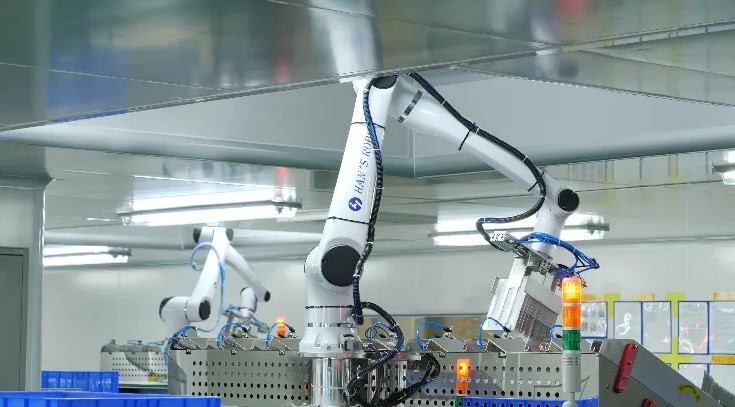
Modern packaging equipment can provide consistent filling and sealing across large production runs. Manufacturers should also perform appropriate inspections to identify weak seals, leaks, wrinkles, or other defects.
Consistent sealing becomes especially important when brands place high-volume orders.
Packaging and Shelf Life
Packaging can influence how well a facial mask maintains its intended characteristics during storage. A suitable package helps create a controlled environment around the product.
Manufacturers should consider the interaction between the formula and packaging when developing a product. Stability and compatibility evaluations can provide useful information about whether the selected packaging supports the product’s requirements.
Brands should also confirm applicable shelf-life and storage requirements for their target market.
Supporting Brand Identity
Packaging serves as one of the most visible elements of a skincare brand. Colors, typography, graphics, product information, and structural choices can help a facial mask stand out among competing products.
A manufacturer that offers packaging customization can give brands greater control over their final presentation.
Custom packaging may support different brand strategies, from minimalist premium designs to colorful products aimed at younger consumers.
Packaging for Different Mask Formats
Packaging requirements vary according to the type of mask. A serum-soaked sheet mask may require a flexible sealed pouch, while other formats may need jars, tubes, sachets, or specialized containers.
Manufacturers should understand how each format interacts with its packaging system.
For example, a delicate hydrogel mask may require careful handling during filling and sealing to prevent deformation or damage.
Printing and Product Information
Packaging also carries essential product information. Depending on the destination market, this may include ingredients, usage instructions, warnings, batch information, manufacturing details, and other required labeling.
Brands should work with manufacturers to ensure the packaging design leaves sufficient space for necessary information.
Clear printing also helps maintain a professional appearance and reduces the risk of confusing or unreadable product details.
Packaging and Transportation
Facial masks may travel through several stages before reaching consumers. Products can experience handling, stacking, vibration, temperature changes, and other transportation conditions.
Packaging should therefore offer enough protection for the intended distribution route. Secondary packaging, cartons, and protective materials can help reduce damage during shipping.
Manufacturers with experience in international orders may understand the practical packaging considerations associated with longer supply chains.
Sustainable Packaging Options
Sustainability has also become an important consideration for many beauty brands. Companies may want packaging that reduces unnecessary material use or incorporates more environmentally conscious material choices.
A manufacturer can discuss available options based on the product’s protection requirements. The goal should remain a practical balance between product safety, packaging performance, appearance, and sustainability goals.
Packaging Quality Control
Packaging needs its own quality inspection process. Manufacturers should not treat packaging as a final cosmetic detail.
Quality checks may examine:
- Seal integrity
- Package dimensions
- Printing accuracy
- Filling quantity
- Material defects
- Label information
- Leakage or damage
These checks help reduce packaging-related problems before products leave the facility.
How Packaging Capabilities Help During Product Development
Packaging expertise can make product development more efficient. When the manufacturer understands both formulation and packaging, the team can identify potential compatibility problems earlier.
This integrated approach may reduce unnecessary revisions and help brands move from samples to commercial production more smoothly.
It also allows brands to evaluate the finished product as a complete package rather than treating the formula and packaging as separate projects.
Questions to Ask a Potential Manufacturer
Before selecting a supplier, beauty brands should ask several packaging-related questions:
- What packaging formats does the manufacturer support?
- Can it provide custom pouch designs?
- How does it test package seals?
- Can it help select suitable packaging materials?
- Does it support different printing and finishing options?
- How does it manage packaging quality during large production runs?
- Can it coordinate packaging with the finished formula?
The answers can reveal whether a supplier has the practical capabilities needed for a successful product launch.
Nox Bellcow Cosmetics and Packaging Considerations
Nox Bellcow Cosmetics provides an example of why brands should evaluate manufacturing capabilities beyond basic mask production. Packaging development, product formulation, production processes, and quality management all contribute to the final customer experience.
A manufacturer that understands these areas can help brands approach facial mask development as a complete product rather than a collection of separate tasks.
Final Thoughts
Packaging plays a critical role in protecting facial masks, maintaining product integrity, supporting transportation, and presenting a consistent brand image. It can also influence manufacturing efficiency and the overall customer experience.
Brands should therefore examine a manufacturer’s packaging capabilities alongside its formulation, production, testing, and quality control systems. Choosing a supplier with strong packaging expertise can help reduce production risks and create a more reliable finished product.
Nox Bellcow Cosmetics demonstrates the value of considering packaging as part of the broader facial mask manufacturing process, especially for brands seeking customized products and dependable production support.