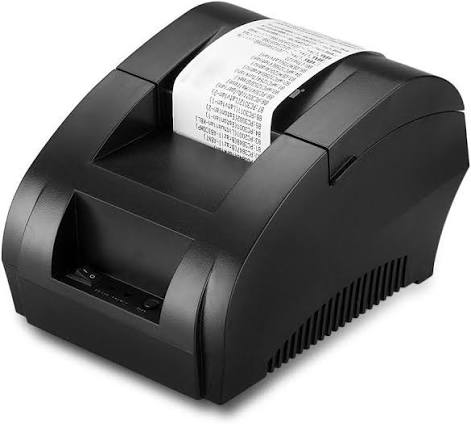
A thermal receipt printer is a widely used printing device designed to produce receipts, transaction records, and other printed documents quickly and efficiently. Unlike traditional printers that rely on ink or toner, thermal printers use heat to create text and images on specially coated thermal paper. This technology makes them a practical choice for businesses that require fast, reliable, and cost-effective printing.
As digital payment systems and retail automation continue to expand, businesses increasingly depend on efficient printing solutions. A Thermal Receipt Printer helps simplify checkout operations by producing clear receipts within seconds. Its compact design, low maintenance requirements, and printing speed make it suitable for various commercial environments, including retail stores, restaurants, supermarkets, and service counters.
How Does a Thermal Receipt Printer Work?
Thermal receipt printers operate through a straightforward printing process that uses controlled heat instead of traditional ink. The printer contains a thermal printhead with numerous tiny heating elements. When thermal paper passes over the printhead, selected areas are heated to create text, numbers, barcodes, and graphics.
There are two primary types of thermal printing technology:
Direct Thermal Printing
Direct thermal printers use heat-sensitive paper that changes color when exposed to the heated printhead. The process does not require ink cartridges, ribbons, or toner.
This technology is particularly common in receipt printing because it offers a simple operating process and relatively low maintenance costs. However, direct thermal prints may fade over time when exposed to excessive heat, sunlight, or certain environmental conditions.
Thermal Transfer Printing
Thermal transfer printers use a heated printhead to transfer ink from a ribbon onto a printing surface. Although this method is less common for standard retail receipts, it is useful when businesses need longer-lasting printed information.
The choice between these technologies depends on the intended application, required print durability, and operating environment.
Key Features of Thermal Receipt Printers
Thermal receipt printers offer several features that make them valuable for modern business operations.
1. Fast Printing Speed
One of the most important advantages is printing speed. Thermal printers can produce receipts within seconds, helping businesses process customer transactions efficiently.
Fast output is especially useful during busy shopping hours when long checkout queues can affect customer satisfaction.
2. Ink-Free Printing Technology
Direct thermal receipt printers do not require ink cartridges or toner. This reduces the need for frequent consumable replacements and simplifies routine maintenance.
Businesses only need to replace thermal paper rolls when supplies run low, making daily operation more convenient.
3. Compact and Space-Saving Design
Many thermal receipt printers feature compact dimensions that allow them to fit easily on checkout counters, service desks, and restaurant workstations.
Their relatively lightweight construction also makes certain models suitable for mobile business applications.
4. Clear Text and Barcode Printing
Thermal printing technology can produce readable text, transaction details, QR codes, and barcodes. This makes it useful for generating receipts that contain essential purchase information.
Print resolution and overall clarity depend on the printer model and its technical specifications.
5. Low Maintenance Requirements
Since direct thermal printers have fewer consumable components than conventional ink-based printers, they generally require less routine maintenance.
Regular printhead cleaning, proper paper handling, and basic equipment inspections can help maintain consistent performance.
Common Applications of Thermal Receipt Printers
Thermal receipt printers are used across many industries because they support fast and convenient document printing.
Retail Stores and Supermarkets
Retail businesses use thermal printers to generate customer receipts containing product descriptions, quantities, prices, discounts, and payment information.
Their quick printing capabilities help improve checkout efficiency and support smooth point-of-sale operations.
Restaurants and Cafes
Restaurants use these printers to produce customer bills, kitchen orders, and transaction records. Kitchen printing systems can help communicate order details between service staff and food preparation teams.
Their compact size makes them suitable for crowded counters and limited workspace environments.
Banking and Financial Services
Banks and financial institutions use thermal printing technology in ATMs, payment terminals, and transaction systems. These printers generate withdrawal slips, balance statements, and transaction confirmations.
Transportation and Ticketing
Thermal printers are also common in transportation services, including bus stations, railway counters, and parking facilities. They can quickly print tickets, payment receipts, and entry records.
Healthcare Facilities
Hospitals, clinics, and pharmacies may use thermal printers for billing receipts, payment confirmations, and other administrative documents. Their fast output helps support routine service operations.
Benefits of Using Thermal Receipt Printers
Businesses choose thermal receipt printers because they provide several practical advantages.
- Reduced operating costs: Ink-free direct thermal printing eliminates expenses associated with ink cartridges and toner.
- Faster transactions: Quick printing helps reduce delays at checkout counters.
- Simplified maintenance: Fewer consumable components make routine operation easier.
- Quiet performance: Thermal printers generally operate with less noise than many traditional impact printers.
- Space efficiency: Compact models fit comfortably into different business environments.
- Consistent output: Properly maintained printers can deliver reliable results for everyday transaction printing.
These advantages make thermal receipt printers an effective solution for businesses handling frequent customer transactions.
Factors to Consider When Choosing a Thermal Receipt Printer
Selecting an appropriate printer requires evaluating business requirements and technical specifications.
Printing Speed and Resolution
Consider how many receipts your business needs to print during normal and peak operating hours. Higher printing speeds can be beneficial for busy environments.
Resolution is another important factor because it affects the clarity of text, logos, and barcodes.
Connectivity Options
Different models support different connection methods, including USB, Ethernet, Bluetooth, and Wi-Fi. Businesses should select connectivity options that are compatible with their existing point-of-sale systems.
Paper Width Compatibility
Common thermal receipt paper widths include 58 mm and 80 mm. The appropriate size depends on the amount of information printed on each receipt and the requirements of the business.
Compatibility With POS Systems
Before purchasing a printer, check whether it supports the operating systems, POS software, and communication protocols used by the business.
Durability and Reliability
Businesses with high transaction volumes should consider equipment designed for continuous operation. Printhead lifespan, cutting mechanism quality, and overall construction are important evaluation points.
Maintenance Tips for Better Printer Performance
Although thermal receipt printers require relatively little maintenance, proper care helps extend their working life.
Keep the printhead clean by following the manufacturer’s cleaning instructions. Dust, paper residue, and other contaminants can affect print quality.
Use compatible thermal paper and avoid storing paper rolls in direct sunlight or excessively hot environments. Poor storage conditions can cause the paper to darken or lose sensitivity.
It is also important to inspect the paper cutter, rollers, and connections regularly. Addressing minor problems early can prevent unnecessary interruptions.
Conclusion
Thermal receipt printers have become an important part of modern retail, hospitality, transportation, healthcare, and financial operations. Their fast printing speed, ink-free technology, compact design, and relatively low maintenance requirements make them suitable for businesses that need dependable transaction printing.
Understanding their working principles, features, applications, and selection criteria helps businesses choose equipment that matches their operational needs. With appropriate paper supplies and regular maintenance, a thermal receipt printer can provide consistent performance and support efficient daily business activities.