


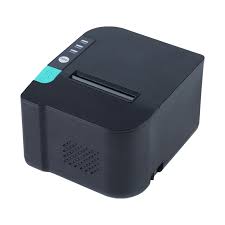
Businesses that distribute printing equipment or operate across multiple locations often require receipt printers in large quantities. Retail chains, wholesalers, distributors, and technology companies depend on reliable manufacturing partners to maintain product availability and meet customer expectations. In these situations, choosing a trusted manufacturer becomes especially important because bulk purchasing involves more than simply ordering a large number of devices.
Original Equipment Manufacturing (OEM) services also play an important role in the receipt printer industry. Businesses may need customized branding, packaging, or product configurations to establish their own market identity. A professional manufacturing partner can support these requirements through organized production processes, consistent quality control, and flexible customization services.
Understanding Bulk Receipt Printer Orders
Bulk orders involve purchasing large quantities of receipt printers within a single order or through scheduled deliveries. This approach is common among distributors, wholesalers, retail chains, and businesses that need standardized printing equipment across multiple locations.
A trusted manufacturer helps customers manage these orders by offering suitable product selections, production planning, and quantity-based quotations.
Before accepting a bulk order, manufacturers typically evaluate the required models, quantities, technical specifications, and delivery schedules. This information helps them allocate production resources and prepare the necessary components.
Effective order planning also reduces the possibility of production delays and inventory shortages.
Maintaining Consistent Product Quality
One of the biggest challenges associated with bulk manufacturing is maintaining consistent quality across every unit.
When businesses purchase hundreds or thousands of printers, even a small percentage of defective products can create significant operational difficulties.
Reliable manufacturers address this challenge through standardized assembly procedures, component inspections, and final product testing.
Quality control may include:
- Inspecting thermal print heads and electronic components.
- Checking paper-feeding mechanisms.
- Testing printing speed and clarity.
- Evaluating automatic cutting functionality.
- Verifying USB, Ethernet, Bluetooth, or Wi-Fi connectivity.
- Examining finished products before packaging.
These procedures help ensure that bulk orders meet established specifications and provide dependable performance.
Supporting OEM Branding and Customization
OEM manufacturing allows businesses to sell products under their own brand names while working with an established manufacturing partner.
In the receipt printer industry, OEM customization may involve several product and packaging elements.
Common customization possibilities include:
- Logo printing: Adding the customer’s brand identity to the printer housing.
- Custom packaging: Developing branded boxes and product labels.
- Product appearance: Selecting available housing colors or design variations.
- Technical configurations: Choosing supported interfaces or other product specifications.
- Documentation: Preparing customized user manuals and product information where available.
These services help distributors and technology companies create products that align with their branding strategies.
Before beginning an OEM project, buyers should discuss design requirements, customization costs, minimum order quantities, sample approval, and production schedules.
Offering Flexible Production Capacity
A trusted manufacturer should have sufficient production capacity to handle different order sizes.
Some customers may require a few hundred printers for regional distribution, while larger businesses may need thousands of units for international markets.
Manufacturers with organized production systems can allocate materials, labor, and equipment according to order requirements.
Production flexibility is also useful when customers need repeat orders or gradual deliveries rather than receiving their entire quantity at once.
Discussing expected order volumes and future purchasing plans helps manufacturers prepare suitable production schedules.
Providing Product Selection and Technical Guidance
Bulk and OEM buyers may not always know which printer models are appropriate for their target markets.
A professional manufacturing partner can help customers compare product specifications and identify suitable configurations.
For example, retail distributors may prioritize high-speed desktop thermal printers, while mobile payment providers may require portable Bluetooth models.
Technical guidance may cover:
- Printing speed and resolution.
- Supported paper widths.
- Available communication interfaces.
- POS software compatibility.
- Power supply specifications.
- Operating conditions and maintenance requirements.
This assistance helps buyers select products that meet customer expectations and avoid unnecessary technical complications.
Managing Packaging and International Shipping
Packaging and logistics are essential parts of bulk and OEM order management.
Receipt printers contain electronic and mechanical components that require appropriate protection during transportation. Poor packaging can expose products to moisture, vibration, impact, and handling damage.
Reliable manufacturers use suitable protective packaging and organize accessories to reduce transportation risks.
For OEM customers, packaging can also be customized with branded artwork, product descriptions, and required labeling.
International buyers should discuss shipping methods, estimated delivery schedules, export documentation, and responsibility for transportation costs before confirming an order.
Maintaining Transparent Pricing and Communication
Large purchasing agreements often involve several cost factors, including unit prices, customization expenses, packaging charges, shipping fees, and applicable taxes.
A trusted manufacturer should provide clear quotations that explain these costs and identify any additional charges.
Communication is equally important throughout the manufacturing process. Buyers should receive updates about sample approvals, production progress, quality inspections, and shipping arrangements.
Clear communication helps prevent misunderstandings and allows businesses to plan their inventory more effectively.
Providing After-Sales Support for Bulk Customers
After-sales service remains important even after a large order has been delivered. Businesses distributing receipt printers may need technical documentation, replacement components, firmware assistance, and warranty support.
A dependable manufacturer should explain its warranty conditions and provide clear procedures for reporting product issues.
Access to technical assistance can help distributors respond to customer concerns and maintain confidence in their products.
Long-term support is particularly valuable for businesses that place repeat orders or develop private-label product lines.
Choosing the Right Manufacturing Partner
Selecting a suitable manufacturing partner requires evaluating more than production capacity or product pricing. Buyers should examine manufacturing experience, quality assurance systems, customization capabilities, technical support, and communication practices.
Exploring the product range and available services from a Receipt Printer Manufacturer can help businesses understand different printing solutions and evaluate whether they match their bulk purchasing or OEM requirements.
It is also advisable to request samples, review relevant product documentation, and confirm order terms before entering into a long-term manufacturing agreement.
Conclusion
A trusted receipt printer manufacturer supports bulk and OEM orders through consistent product quality, flexible production planning, customization services, reliable packaging, and effective technical assistance. These capabilities help businesses manage large purchases while maintaining product standards and meeting market demands.
For wholesalers, distributors, and technology companies, establishing a strong manufacturing partnership can improve supply chain reliability and create opportunities for business expansion. By carefully evaluating production capabilities and long-term support, buyers can make informed decisions and build successful OEM and bulk purchasing relationships.