


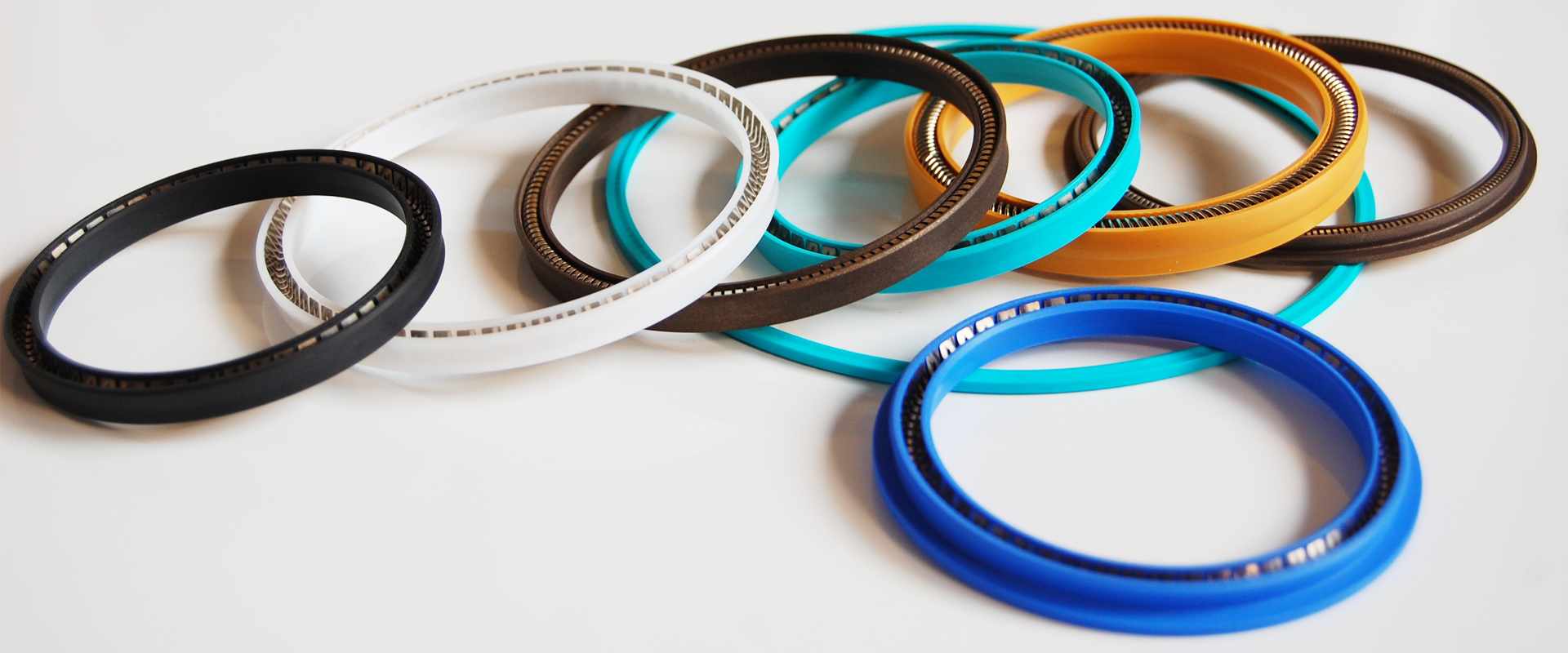
Sealing components play an important role in protecting industrial equipment, machinery, and mechanical systems from fluid leakage, contamination, and pressure loss. They help maintain operational efficiency by creating a reliable barrier between moving or stationary components. Understanding different sealing solutions is essential for selecting the right product for specific industrial requirements.
DMS Seals are part of the wider range of sealing solutions used in mechanical and industrial applications where durability, precision, and dependable performance are important. Their selection depends on factors such as operating pressure, temperature, fluid compatibility, movement, and equipment design. Understanding their types and characteristics can help engineers and maintenance professionals make better decisions.
What Are DMS Seals?
DMS seals refer to sealing products designed for use in mechanical and industrial systems. Seals are components that prevent unwanted substances, such as oil, water, hydraulic fluid, gas, or dust, from passing through gaps between connected parts.
They are commonly used in equipment where components move against each other or remain connected under pressure. Depending on their design, seals can prevent leakage, retain lubricants, block contaminants, and maintain pressure within a system.
A properly selected seal supports equipment reliability and helps reduce maintenance requirements. It also protects internal components from premature wear caused by friction, dirt, and fluid loss.
Why Are Seals Important in Industrial Equipment?
Industrial machinery often operates under demanding conditions, including high pressure, continuous movement, temperature changes, and exposure to different chemicals. Without suitable sealing components, these conditions can cause leakage and damage to important mechanical parts.
Seals provide several important functions:
- Leakage prevention: They help contain liquids and gases within hydraulic, pneumatic, and mechanical systems.
- Contamination protection: They prevent dust, dirt, moisture, and other unwanted particles from entering equipment.
- Pressure maintenance: Seals help maintain the pressure required for machinery to function correctly.
- Component protection: They reduce the risk of damage caused by fluid loss, friction, and external contaminants.
- Operational efficiency: Effective sealing helps equipment operate consistently and reduces unnecessary downtime.
These functions make sealing components essential in industries that depend on reliable machinery and controlled fluid movement.
Common Types of Industrial Seals
Different sealing designs are developed to meet specific mechanical requirements. The choice depends on the type of equipment, movement, operating environment, and material compatibility.
1. Hydraulic Seals
Hydraulic seals are used in systems that operate with pressurized liquids. They help prevent hydraulic fluid from escaping while maintaining the pressure required for mechanical movement.
These seals are commonly installed in hydraulic cylinders, pumps, lifting equipment, and construction machinery. Their design must withstand pressure, friction, and repeated movement.
2. Pneumatic Seals
Pneumatic seals are designed for equipment that uses compressed air or gas to generate movement. They prevent air leakage and help maintain the pressure needed for efficient operation.
They are frequently used in pneumatic cylinders, valves, compressors, and automated production systems.
3. Rotary Seals
Rotary seals are designed for applications involving rotating shafts and other moving components. Their primary purpose is to retain lubricants while preventing contaminants from entering mechanical assemblies.
They are commonly found in gearboxes, motors, pumps, and rotating industrial equipment.
4. O-Rings
O-rings are circular sealing components with a simple and widely used design. They are typically made from elastomeric materials and installed in grooves between two connected surfaces.
When compressed, an O-ring creates a seal that helps prevent liquid or gas leakage. Their compact structure makes them suitable for numerous static and dynamic applications.
5. Oil Seals
Oil seals are used to retain lubricating oil inside mechanical equipment while preventing dust and other contaminants from entering.
They are commonly installed around rotating shafts in automotive systems, industrial motors, transmissions, and machinery.
6. Mechanical Seals
Mechanical seals are used in rotating equipment to control leakage between stationary and rotating components. They generally consist of two sealing faces that remain in close contact during operation.
These products are widely used in pumps, compressors, mixers, and other equipment that handles liquids.
Key Features of High-Quality Sealing Components
The performance of a seal depends on its design, material, manufacturing quality, and suitability for the working environment. Several characteristics should be considered when evaluating industrial sealing products.
Material Durability
Seals are manufactured using different materials, including nitrile rubber, silicone, fluorocarbon, polyurethane, and polytetrafluoroethylene (PTFE).
Each material offers different properties. For example, nitrile rubber is commonly used in oil-related applications, while fluorocarbon materials are suitable for many environments involving elevated temperatures and chemical exposure.
Pressure Resistance
Industrial seals must withstand the pressure levels generated by the equipment in which they are installed. A seal that cannot handle the required pressure may deform, wear out, or allow leakage.
Selecting a product with an appropriate pressure rating is therefore essential.
Temperature Compatibility
Temperature changes can affect the flexibility, strength, and sealing performance of different materials. Some seals are designed for standard operating temperatures, while specialized materials are developed for high-temperature or low-temperature environments.
Wear and Friction Resistance
Moving components create friction that can gradually damage sealing surfaces. Materials with suitable wear resistance help extend service life and maintain consistent sealing performance.
Chemical Compatibility
Industrial systems may contain hydraulic oils, fuels, solvents, water, and other chemicals. The sealing material must be compatible with the substances it contacts to prevent swelling, cracking, or deterioration.
Common Applications of DMS Seals
Sealing products are used across many industries because almost every mechanical system requires some form of leakage control or contamination protection.
Automotive Industry
Vehicles contain numerous sealing components in engines, transmissions, braking systems, steering assemblies, and hydraulic equipment. These seals help retain fluids and protect internal parts from dirt and moisture.
Construction and Heavy Machinery
Excavators, loaders, cranes, and other heavy equipment rely on hydraulic systems to perform lifting and movement operations. Hydraulic seals help maintain pressure and prevent fluid leakage during demanding working conditions.
Manufacturing and Industrial Automation
Automated production equipment uses pneumatic cylinders, hydraulic actuators, pumps, and motors. Sealing components help these systems operate reliably while reducing fluid loss and contamination risks.
Agriculture
Agricultural machinery operates in environments where dust, mud, moisture, and changing temperatures are common. Seals help protect hydraulic systems, engines, pumps, and transmission components from external contaminants.
Oil and Gas Industry
Pumps, valves, pipelines, and processing equipment require effective sealing to control the movement of liquids and gases. Material compatibility and pressure resistance are especially important in these applications.
Food and Pharmaceutical Processing
Processing equipment requires sealing materials that meet relevant hygiene and safety requirements. Depending on the application, seals may need to withstand cleaning chemicals, temperature changes, and repeated sanitation procedures.
How to Choose the Right Seal for Your Application
Selecting an appropriate seal requires more than comparing dimensions. Engineers and equipment operators should evaluate the actual working conditions to ensure the product can perform reliably.
Consider the following factors:
- Operating pressure: Determine the maximum pressure the seal must withstand during normal and peak operating conditions.
- Temperature range: Identify the minimum and maximum temperatures the component will experience.
- Fluid compatibility: Check whether the material is suitable for the oil, water, gas, or chemical used in the system.
- Movement type: Establish whether the seal will be used in a static, reciprocating, or rotary application.
- Dimensions: Confirm the correct internal diameter, external diameter, thickness, and installation groove specifications.
- Environmental conditions: Consider exposure to dust, moisture, vibration, chemicals, and other external factors.
- Maintenance requirements: Evaluate expected service life, inspection frequency, and replacement accessibility.
Matching these requirements with the seal’s specifications can reduce installation problems and improve equipment performance.
Common Causes of Seal Failure
Even well-designed sealing components can fail when they are incorrectly selected, installed, or maintained. Identifying common causes of failure helps prevent recurring mechanical problems.
Some frequent causes include:
- Incorrect installation: Improper fitting, twisting, or excessive stretching can damage a seal before operation begins.
- Excessive pressure: Operating beyond the recommended pressure range may cause deformation or extrusion.
- Material incompatibility: Contact with unsuitable fluids or chemicals can cause swelling, hardening, or cracking.
- High temperatures: Excessive heat may reduce material flexibility and accelerate deterioration.
- Poor lubrication: Insufficient lubrication can increase friction and wear in dynamic applications.
- Surface damage: Scratches, corrosion, and rough surfaces can create leakage paths.
- Normal aging: Continuous use and environmental exposure gradually affect material performance.
Regular inspection and correct installation practices can help reduce these risks.
Maintenance Tips for Longer Seal Life
Proper maintenance is important for preserving sealing performance and avoiding unexpected equipment downtime. Although maintenance requirements differ between applications, several general practices can improve reliability.
Inspect seals regularly for visible cracks, deformation, hardening, and signs of leakage. Any damaged component should be evaluated and replaced when necessary.
Keep sealing surfaces clean during installation and maintenance. Dirt or metal particles trapped between sealing surfaces can affect performance and cause premature wear.
Use compatible lubricants and follow the equipment manufacturer’s installation recommendations. Avoid reusing seals that have become permanently deformed or damaged during removal.
It is also useful to maintain records of seal replacements, operating conditions, and recurring leakage problems. These records can help maintenance teams identify patterns and improve future component selection.
Conclusion
DMS seals and other industrial sealing solutions are important components in systems that require reliable fluid containment, pressure control, and contamination protection. From hydraulic and pneumatic equipment to automotive machinery and industrial pumps, different seal designs serve specific mechanical functions.
Understanding seal types, material properties, operating conditions, and common failure causes makes it easier to select suitable products for different applications. With proper installation, regular inspection, and appropriate material selection, sealing components can contribute to longer equipment life, improved operational efficiency, and reduced maintenance costs.