


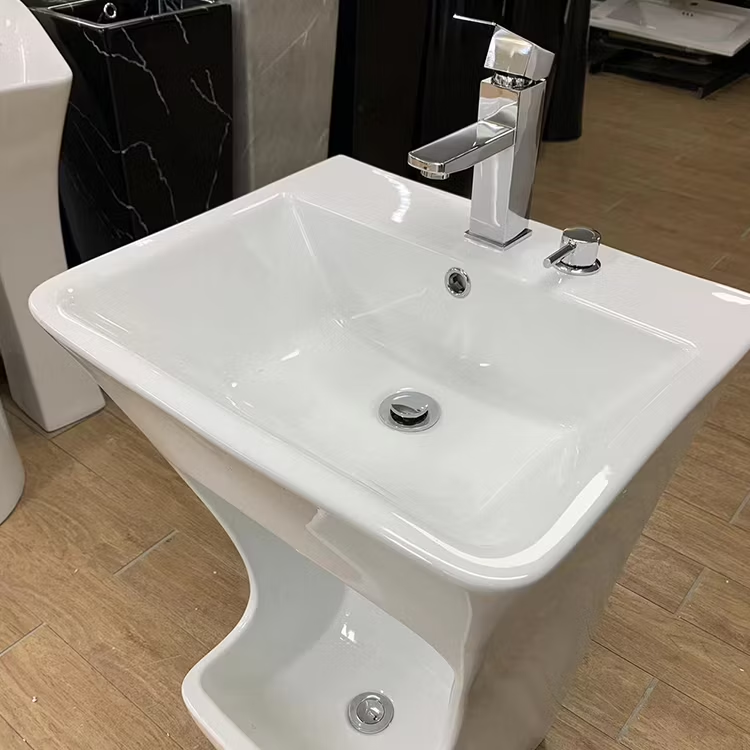
Water conservation is an important consideration when designing bathrooms, mosques, and dedicated ablution areas. Wudu is performed regularly by many Muslims, and small improvements in water use can make a meaningful difference when repeated across households and shared facilities. Choosing an efficient sink design, suitable faucet, and effective drainage system can help reduce unnecessary water consumption without making ablution uncomfortable.
A thoughtfully designed Muslim Wudu Sink can combine practical functionality with responsible water management. By considering faucet flow, basin shape, plumbing, and user habits, homeowners and facility managers can create sustainable washing areas that are easier to maintain and more efficient to operate.
1. Why Water Efficiency Matters in Ablution Areas
Water is essential for ablution, but excessive flow and unnecessary running water can increase consumption. In homes, this may contribute to higher water bills. In mosques and other shared facilities, the impact can be greater because many people use the washing stations throughout the day.
Water-efficient design aims to provide sufficient water for washing while minimizing waste. It does not mean restricting water to an uncomfortable level or compromising the washing process.
The main benefits of an efficient ablution area include:
- Reduced unnecessary water consumption.
- Lower water and wastewater costs where charges apply.
- Less water splashing onto floors and surrounding surfaces.
- Potentially reduced demand on hot-water systems when warm water is used.
- More responsible use of local water resources.
- Easier maintenance when fixtures are designed to control flow effectively.
Combining efficient fixtures with sensible user habits can help achieve these benefits without sacrificing comfort or hygiene.
2. Select Faucets with Appropriate Flow Rates
The faucet has a major influence on how much water a wudu sink uses. A tap with an unnecessarily high flow rate can waste water even when users perform ablution carefully.
Choose an efficient faucet
Look for faucets designed to reduce unnecessary flow while maintaining a useful stream of water. Manufacturers may provide flow-rate specifications, allowing buyers to compare models before installation.
The appropriate flow rate depends on the faucet design, water pressure, and intended use. A product that saves water in one installation may perform differently under another pressure condition, so confirm its suitability for the actual plumbing system.
Consider lever-operated controls
Lever handles can make it easier to start and stop the water quickly. They are also useful for people who find small or stiff controls difficult to operate.
The most effective design is one that allows users to control the water comfortably without leaving it running longer than necessary.
Evaluate sensor-operated faucets
Sensor-operated faucets can reduce the time water runs between users in certain public facilities. However, their performance depends on correct sensor placement, reliable power, and appropriate settings.
They may require more maintenance than simple manual faucets. Compare installation costs, repair requirements, and expected water savings before deciding whether they are appropriate for a particular facility.
3. Use Basin Designs That Minimize Splashing
Basin shape affects how water moves across the surface and where it eventually drains. A poorly designed basin may allow water to splash onto the floor, creating waste and additional cleaning work.
A suitable wudu sink should direct water toward the drain while providing enough room for the intended washing activities.
Consider basin depth and shape
A basin with appropriate depth can help contain water during washing. The bowl should be large enough for comfortable use without being unnecessarily oversized.
Sloped surfaces can guide water toward the drain, while carefully positioned faucets can help keep the stream within the basin.
Plan dedicated foot-washing areas
Some wudu sinks include a lower basin or a separate foot-washing section. These designs can provide more convenient positioning and may help control where water flows.
However, the basin must be correctly sized for the user and the washing task. A specialized fixture does not automatically use less water; its performance depends on the faucet, basin geometry, and user behavior.
4. Install Flow Regulators Where Appropriate
Flow regulators and suitable aerators can help reduce the volume of water delivered by a faucet. Depending on the product, they may mix air with water or limit flow through the outlet.
Before installation, confirm that the device is compatible with the faucet and the intended use of the sink. Some flow-control products may not work properly with certain taps or pressure conditions.
A regulator should provide a practical stream rather than making the water difficult to direct. In communal facilities, test the setup under typical usage conditions to ensure that it remains convenient for different users.
Clean the faucet outlet periodically because mineral deposits can affect water flow. Replace damaged or unsuitable components according to the manufacturer’s instructions.
5. Design Plumbing for Efficient Water Delivery
Water efficiency also depends on the plumbing system. Leaking pipes, dripping faucets, and poorly installed fittings can waste water continuously, even when the sink is not being used.
During installation, check the following:
- Water supply connections are secure and leak-free.
- Faucet fittings match the plumbing system.
- Pipework is appropriately sized for the installation.
- Drainage is suitable for the expected water flow.
- Valves and other components remain accessible for maintenance.
- The water supply can be shut off easily when repairs are needed.
For new construction, locating the sink near suitable plumbing connections may reduce the amount of pipework required. However, the final location should still provide safe access and comfortable use.
A qualified plumber can evaluate pressure, pipe sizing, and fixture compatibility to help avoid unnecessary water loss.
6. Fix Leaks Promptly to Prevent Water Waste
Even a small leak can waste water over time. A dripping faucet, loose connection, or damaged valve may appear minor but can continue wasting water throughout the day.
Create a routine for checking faucets and plumbing connections. Look for visible drips, moisture beneath the sink, water stains, and unusual sounds when the fixture is not being used.
If a faucet continues dripping after being closed, the cause may be a worn washer, cartridge, valve, or another component. Replace or repair the faulty part according to the manufacturer’s instructions.
Shared facilities should have a clear process for reporting leaks. Prompt repairs can reduce water waste, protect nearby surfaces, and prevent minor plumbing problems from becoming more expensive.
7. Choose Durable, Easy-to-Maintain Materials
A sustainable ablution area should be designed for long-term use. Fixtures that are difficult to clean or prone to damage may require frequent repairs or replacement, increasing material consumption and maintenance costs.
Ceramic and porcelain basins are common choices because their glazed surfaces are generally easy to clean. Solid-surface products may provide greater flexibility for custom designs, while suitable stainless-steel fixtures can be practical in high-use environments.
Natural stone may suit premium installations, although some types require additional sealing and specialized care.
When comparing materials, consider:
- Resistance to moisture and routine cleaning.
- Expected durability under frequent use.
- Availability of replacement components.
- Ease of repairing minor damage.
- Compatibility with suitable cleaning products.
- Manufacturer warranty and maintenance instructions.
A durable fixture that remains serviceable for many years may offer better long-term value than one that needs frequent replacement.
8. Improve Water Management in Shared Ablution Facilities
Mosques and Islamic centers may serve many users in a short period, particularly before congregational prayers. Water-efficient design should therefore consider the complete washing area rather than just the individual sink.
Multiple washing stations should be arranged to allow convenient access without unnecessary crowding. Faucets should be easy to operate, and the surrounding floor should be designed to manage splashes safely.
Effective drainage helps prevent standing water, while suitable floor finishes can reduce slipping risks. Where a floor drain is installed, the floor slope and waterproofing should direct water toward it as intended.
Facility managers should also inspect high-use stations frequently. A damaged faucet or blocked drain can affect both water efficiency and the usability of the entire area.
In larger projects, monitoring water use over time may help identify unusual consumption and reveal where additional improvements are needed.
9. Encourage Responsible Water-Use Habits
Efficient fixtures work best when users understand how to use them responsibly. Simple habits can reduce waste without changing the essential steps of ablution.
Useful practices include:
- Turning the faucet off when water is not needed.
- Using a moderate flow rather than opening the tap fully by default.
- Avoiding unnecessary running water between washing steps.
- Reporting dripping faucets and other leaks.
- Keeping basin drains clear of debris.
- Following any posted instructions for shared washing stations.
In homes, family members can develop these habits through regular practice. In mosques, discreet reminders near the washing area can encourage responsible water use without disrupting visitors.
The goal is to avoid unnecessary waste while allowing each person to perform ablution comfortably and appropriately.
10. Consider Water Recycling and Reuse Carefully
Some larger buildings explore water reuse systems as part of broader sustainability plans. However, water from an ablution area should not automatically be redirected for other purposes without evaluating its quality and the relevant regulations.
Any proposed reuse system must distinguish between suitable water sources, prevent cross-connections with potable water, and meet applicable health and plumbing requirements.
A professionally designed system may be able to collect and treat certain wastewater streams for approved non-potable applications. The feasibility depends on local rules, treatment requirements, operating costs, and the characteristics of the water being collected.
For most small installations, efficient faucets, prompt leak repairs, and responsible user habits are simpler starting points. More complex reuse systems should be assessed by qualified plumbing and water-management professionals.
11. Calculate the Potential for Water Savings
A simple calculation can help facility managers estimate how faucet changes may affect water consumption.
The basic formula is:
Water used = flow rate × time the faucet runs
For example, if a faucet delivers 6 liters per minute and runs for a total of 2 minutes per user, it uses approximately 12 liters during that period.
If an appropriate replacement reduces the flow to 4 liters per minute while maintaining a useful washing stream, the same running time would use approximately 8 liters. That represents a theoretical reduction of 4 liters per user.
Actual results depend on faucet performance, pressure, how long users operate the tap, and the suitability of the water stream. This calculation is an illustration rather than a guaranteed saving.
For a shared facility, multiply the estimated per-user difference by the number of users over a chosen period to understand the potential scale of the change.
12. Build a Practical Water-Efficiency Checklist
Before installing or upgrading a wudu sink, review these considerations:
- Choose a faucet with a suitable documented flow rate.
- Check whether a compatible flow regulator is appropriate.
- Select a basin shape that contains splashes and directs water toward the drain.
- Confirm that plumbing connections are secure and accessible.
- Repair dripping faucets and leaking pipes promptly.
- Choose durable materials with manageable maintenance needs.
- Provide safe drainage and appropriate wet-area flooring.
- Encourage responsible water-use habits.
- Monitor water consumption where practical.
- Consult qualified professionals before installing water reuse systems.
Reviewing these points during the design stage can help prevent unnecessary expenses and improve the performance of the completed ablution area.
Conclusion
Water-efficient Muslim wudu sink designs combine suitable faucets, practical basin shapes, reliable plumbing, and responsible water-use habits. These measures can help reduce unnecessary consumption while maintaining the comfort and functionality needed for daily ablution.
For homes, mosques, and other shared facilities, the most effective approach is to select durable fixtures, control water flow appropriately, repair leaks quickly, and maintain the entire washing area. With thoughtful planning, an ablution space can support both everyday religious practices and more sustainable water management.