


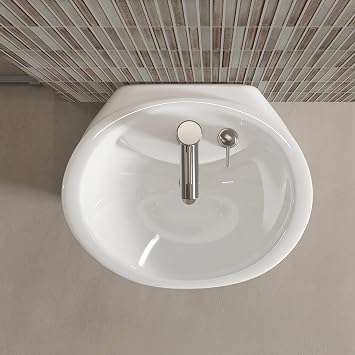
Choosing the right wudu sink is important for creating a comfortable, hygienic, and practical space for performing ablution. Whether you are planning a small washing area in your home or designing a dedicated facility for a mosque, the sink should meet users’ needs while fitting the available space. Factors such as design, material, installation, water efficiency, and ease of maintenance can all influence the final decision.
A well-designed wudu area makes daily washing more convenient and helps maintain a clean environment. Before making a purchase, it is useful to understand the different sink styles, their features, and the requirements of the people who will use them.
Understand Your Space and Usage Requirements
The first step is to assess where the sink will be installed and how frequently it will be used. A residential wudu area typically serves a small number of people, while a mosque may need several washing stations to accommodate worshippers before prayer times.
For home installations, compact designs can help maximize limited bathroom space. Wall-mounted or corner-mounted sinks may be suitable for smaller areas because they leave more floor space available. In larger bathrooms, a dedicated ablution station can provide greater comfort and convenience.
Mosques and community prayer facilities generally require more durable solutions. Consider the number of users, expected daily traffic, available plumbing connections, and the amount of space needed for people to stand or sit comfortably while washing.
Choose the Right Sink Design
Wudu sinks come in different configurations, and the most suitable option depends on the installation environment, user preferences, and available space.
Wall-Mounted Wudu Sinks
Wall-mounted sinks are a practical choice for homes and facilities where floor space is limited. They can create an open appearance and make floor cleaning easier. However, the supporting wall must be strong enough to handle the sink and the loads associated with regular use.
Floor-Standing Wudu Sinks
Floor-standing designs can provide a stable installation and may work well in dedicated ablution rooms. They are worth considering when wall reinforcement is difficult or when the overall design calls for a freestanding fixture.
Multi-User Ablution Stations
For mosques, schools, and other shared facilities, multi-user washing stations can help accommodate more people during busy periods. The layout should provide adequate space between users, convenient access to water, and safe drainage to reduce congestion and splashing.
When comparing options, explore the available Wudu Sink designs to understand how different configurations can support your space and ablution requirements.
Select a Durable and Hygienic Material
Material selection affects the sink’s durability, appearance, cleaning requirements, and long-term maintenance costs. A wudu sink should withstand frequent contact with water and routine cleaning products.
Common material options include:
- Ceramic: Ceramic surfaces are generally easy to clean and suit many traditional and contemporary bathroom designs. They can, however, chip or crack if subjected to significant impact.
- Porcelain: Porcelain offers a smooth, nonporous surface when properly manufactured and finished. It is a popular option for residential bathrooms and other hygiene-focused spaces.
- Solid surface: Solid-surface materials can provide a seamless, modern appearance and may allow certain surface damage to be repaired, depending on the product specifications.
- Natural stone: Stone can create an elegant appearance, but some varieties require sealing and specialized care to prevent staining or water-related damage.
For busy mosque facilities, prioritize materials that tolerate frequent cleaning and sustained use. Always check the manufacturer’s recommendations for cleaning agents, resistance to staining, and repair procedures before selecting a product.
Consider Comfort and Accessibility
A wudu sink should make washing practical for the people who use it. Sink height, basin depth, faucet placement, and available legroom can all affect comfort during ablution.
For residential settings, consider the needs of everyone in the household, including older adults and people with limited mobility. A design that allows comfortable access without excessive bending can make daily use easier.
In mosques, accessibility becomes even more important because users may have different physical abilities and mobility requirements. Depending on the facility, accessible washing stations, seating, support rails, and clear circulation paths may be appropriate. These features should be planned in accordance with applicable accessibility requirements and local building regulations.
The basin should also have enough depth and a suitable shape to control splashing without making the water difficult to reach. Test the position of the faucet and the usable washing area before finalizing the design.
Evaluate Water Supply and Drainage
Proper plumbing is essential for a reliable wudu installation. Before purchasing a sink, confirm the location of the water supply, drain outlet, and any necessary pipework. Existing plumbing can affect installation costs and may limit the types of sinks that are practical.
Faucets should provide convenient water control and a suitable flow rate. Water-efficient fixtures can help reduce unnecessary consumption, particularly in mosques and other facilities with many users. However, the flow must still be adequate for comfortable washing.
Drainage also deserves careful attention. The outlet should handle the expected water flow without frequent blockages, and the surrounding floor should be designed to prevent standing water. Appropriate waterproofing and floor drainage can reduce the risk of moisture damage and slipping.
For public ablution areas, ask a qualified plumber to review the proposed layout before installation. This helps identify potential problems with drainage capacity, pipe placement, and maintenance access.
Compare Maintenance Requirements
A wudu sink should be straightforward to clean and maintain. Frequent use can lead to soap residue, mineral deposits, water spots, and other buildup, particularly in areas with hard water.
Look for smooth surfaces, accessible drainage components, and designs with minimal difficult-to-clean gaps. These features can simplify routine cleaning and reduce the time needed to maintain the washing area.
Establish a regular maintenance routine that includes wiping surfaces, cleaning faucets, inspecting drains, and checking for leaks. In shared facilities, cleaning may need to take place several times a day, depending on usage.
It is also helpful to confirm the availability of replacement parts, faucet components, and repair support. A sink that is easy to maintain can be more economical over its lifetime than a less expensive option requiring frequent repairs.
Set a Realistic Budget
The purchase price is only one part of the total cost of installing a wudu sink. The budget should also account for plumbing work, mounting hardware, faucets, drainage, waterproofing, labor, and ongoing maintenance.
For homes, a compact sink with straightforward installation may offer good value. For mosques, the calculation should include the number of stations required, expected usage, cleaning needs, and the durability of the selected materials.
Compare products based on their specifications and expected service life rather than choosing solely by price. A more durable design may cost more initially but could reduce repair and replacement expenses over time.
Request detailed product information and installation requirements from suppliers before making a final decision. This makes it easier to compare options fairly and avoid unexpected costs.
Wudu Sink Selection Checklist
Before placing an order, review the following points:
- Measure the available installation area and confirm the sink dimensions.
- Determine how many people will use the washing station regularly.
- Select a design that suits the space and intended installation method.
- Check material durability, cleaning requirements, and resistance to staining.
- Confirm faucet placement, water supply, and drainage compatibility.
- Consider accessibility, comfort, and safe movement around the basin.
- Estimate installation expenses and long-term maintenance costs.
- Review the manufacturer’s warranty, product specifications, and after-sales support.
For mosque projects, it is particularly important to evaluate peak usage and the flow of people through the ablution area. For homes, prioritize convenience, efficient use of space, and compatibility with the existing bathroom.
Conclusion
Choosing the right wudu sink for a home or mosque requires balancing comfort, durability, hygiene, design, and budget. Residential spaces often benefit from compact, easy-to-maintain solutions, while mosques may need robust materials, multiple washing stations, and carefully planned drainage to support frequent use.
By assessing your space, understanding user requirements, comparing materials, and reviewing installation needs, you can select a sink that serves its purpose effectively. Taking time to evaluate these factors before purchasing helps create a functional ablution area that remains comfortable, safe, and practical for years to come.