


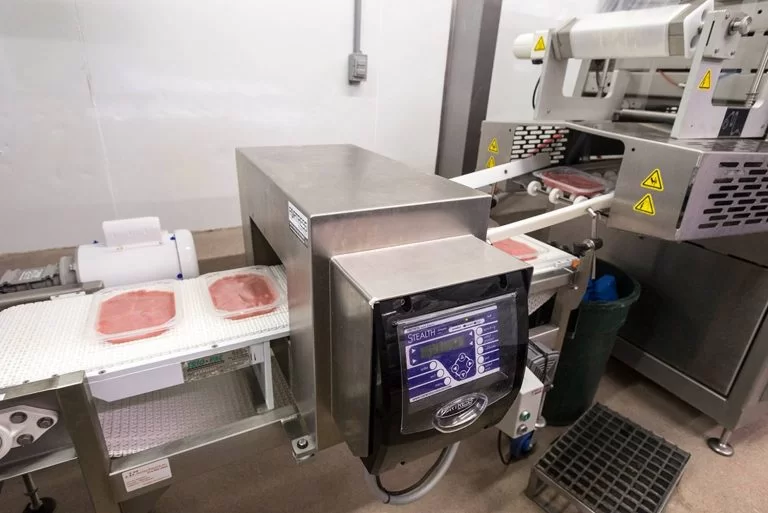
Food safety is a critical concern for manufacturers across the food processing industry. To protect consumers and maintain product quality, businesses must follow strict safety procedures and use reliable inspection equipment. Metal detection systems are an important part of these processes because they help identify and remove metal contaminants before products reach the market.
Understanding food safety standards helps manufacturers choose suitable equipment and maintain effective quality control programs. When evaluating Food Processing Metal Detectors for Sale, businesses should consider how well the systems support regulatory requirements, hygiene practices, and food safety management programs.
The Role of Metal Detection in Food Safety
Metal contamination is considered a physical hazard in food production. It can occur due to damaged machinery parts, broken tools, packaging equipment, or contaminated raw materials.
Metal detection equipment helps manufacturers:
- Identify metal contaminants
- Remove unsafe products
- Protect consumers
- Reduce recall risks
- Maintain brand reputation
These systems are commonly installed at critical points throughout the production process to improve overall safety control.
HACCP Requirements and Metal Detection
Hazard Analysis and Critical Control Points (HACCP) is one of the most widely recognized food safety management systems. It focuses on identifying potential hazards and controlling them before they affect product safety.
Metal detectors are often used as critical control points within HACCP plans. They help manufacturers monitor contamination risks and provide verification that safety procedures are working effectively.
Important HACCP-related practices include:
- Identifying contamination risks
- Establishing detection procedures
- Testing equipment performance
- Recording inspection results
- Reviewing corrective actions
Good Manufacturing Practices (GMP)
Good Manufacturing Practices provide guidelines for maintaining safe and consistent food production environments. Metal detection equipment should be designed and installed in a way that supports these principles.
GMP considerations include:
- Hygienic equipment design
- Proper cleaning procedures
- Reliable equipment operation
- Employee training
- Preventive maintenance
Following GMP requirements helps manufacturers maintain safe production conditions.
Hygienic Design Standards
Food processing equipment must meet strict hygiene expectations to prevent contamination. Metal detectors used in food environments are typically designed with materials and structures that support regular cleaning.
Important hygienic design features include:
- Stainless steel construction
- Smooth surfaces
- Corrosion resistance
- Easy access for sanitation
- Protection against moisture
These features help reduce contamination risks and support food safety programs.
Detection Accuracy and Performance Requirements
Food safety standards require inspection equipment to operate reliably. A metal detector must provide consistent performance and accurately identify contaminants under normal production conditions.
Performance considerations include:
- Detection sensitivity
- Product characteristics
- Conveyor speed
- Environmental conditions
- Testing procedures
Regular calibration and performance verification help ensure the system continues to meet safety expectations.
Traceability and Record Keeping
Modern food safety programs require manufacturers to maintain accurate documentation. Metal detection systems with data recording capabilities help businesses track inspection activities and demonstrate compliance.
Important records may include:
- Calibration results
- Testing schedules
- Detection events
- Reject information
- Maintenance records
Proper documentation supports audits and improves quality management.
Equipment Testing and Validation
Regular testing is essential to confirm that metal detection systems are working correctly. Manufacturers should establish testing procedures based on production risks and safety requirements.
Testing typically involves:
- Checking equipment settings
- Using certified test samples
- Confirming detection performance
- Verifying reject operation
- Recording results
Validation ensures that the system continues to provide effective contamination control.
Employee Training and Operational Procedures
Proper equipment operation depends on trained employees. Staff should understand how to use the metal detector, perform routine checks, and respond to system alerts.
Training should cover:
- Equipment operation
- Testing procedures
- Cleaning requirements
- Safety documentation
- Troubleshooting steps
Well-trained operators help maintain consistent inspection performance.
Importance of Choosing Reliable Equipment
Selecting suitable metal detection equipment is essential for meeting food safety expectations. Reliable systems provide accurate inspection, stable operation, and compatibility with existing production processes.
Manufacturers should consider equipment quality, technical support, maintenance requirements, and compliance features when selecting a metal detection solution.
Conclusion
Food safety standards play an important role in guiding the design, installation, and operation of metal detection equipment. From HACCP and GMP compliance to hygienic design, testing procedures, and documentation, every aspect contributes to safer food production. By selecting reliable metal detection systems and following proper safety practices, food manufacturers can reduce contamination risks, improve quality control, and maintain consumer confidence.