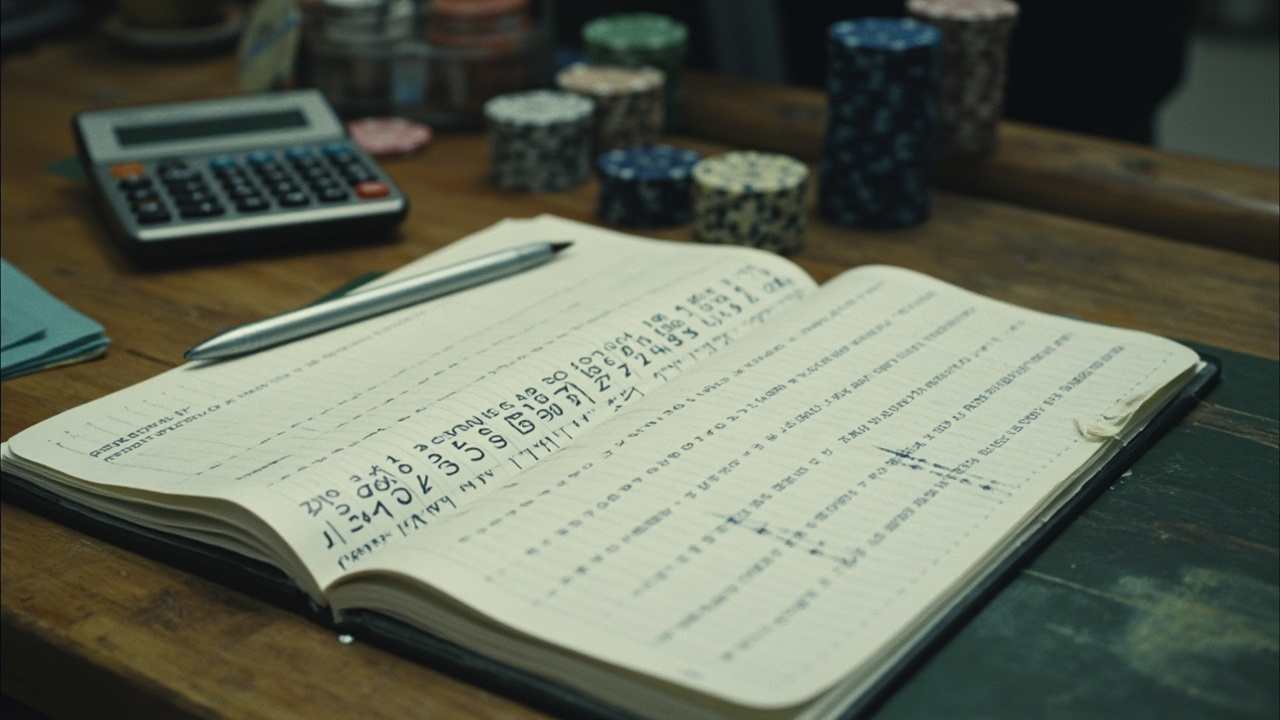


Setting up a game at your place sounds simple until the blinds start eating the clock. I have spent years aligning search intent with engineering roadmaps at Easygo across Stake and KICK, and the same discipline applies here: structure dictates pace. When you run home poker tournament blinds properly, the game stays tight, the decisions stay meaningful, and nobody is watching paint dry by the arvo.
Setting the blind structure that matches your table

Most home games fail because the blinds climb too slowly or jump too sharply, and the difference comes down to how you map the clock to the buy-in. For a standard nine-handed table, I usually start at 25/50 with a 1,000-chip starting stack, then move the blinds every fifteen minutes if you want a three-hour session. That schedule keeps the action moving without forcing desperate shoves on every hand. You can adjust the increments based on your room size and how many players you expect, but the rule is the same: the blinds should compress the effective stack by roughly twenty percent each level so people actually have to play. If you want a slower grind for a mixed-skill crowd, stretch each level to twenty minutes and keep the jumps smaller; if you want a sharper tournament, shorten the clock and increase the increments. The key is deciding that before you shuffle the first hand, not halfway through when someone is complaining the blinds are too high.
When you are weighing how a structured blind schedule compares to a looser home setup, it helps to look at how bigger platforms handle pacing and player verification behind the scenes. The same logic that keeps a tournament clock honest shows up in how serious operators build their registration and eligibility checks, which is why I often point mates toward resources like elvis frog trueways when they want to understand how a platform stacks up before they commit time and money. That kind of comparison matters because a badly chosen blind structure ruins a night just as quickly as a rushed signup process ruins a first session.
A beginner’s step-by-step guide to running the clock
If you have never hosted a game, the blinds can feel like a chore, so here is the simplest way to run them without losing the room. Follow these steps in order and you will keep the tournament on track from the first deal to the final table.
- Write your blind levels on a whiteboard or a piece of paper before anyone arrives, starting with your opening 25/50 and listing each increase with the time it kicks in.
- Put a timer where everyone can see it, and reset it at the start of every level so nobody has to guess when the next jump hits.
- Assign a dealer or rotate the button fairly, and make sure the small blind and big blind are posted correctly each hand before you deal.
- Keep a chip count visible for each player, either by counting out loud at each level or by having someone track the stacks so the blinds stay fair.
- When the timer hits the next level, raise both blinds by your planned amount and pause for a minute so players can adjust their stacks and decisions.
- If a player busts, remove their chips from the table and keep the blinds moving without stopping the clock for a rebuy unless you planned one in advance.
The point of this routine is to remove ambiguity, because most arguments at a home game come from people not knowing when the blinds change or who owes what. Once you have run it twice, you will see where the clock feels too fast or too slow and you can tweak the next one without rewriting the whole thing.
How blinds shape the tournament and the payout feel
Blinds do more than move chips around; they decide which hands matter and when players start looking for a way out. Early levels are about preserving stack depth and picking your spots, while the middle levels are where the real tournaments get interesting because people start committing with weaker holdings. By the time you hit the later stages, the blinds should be high enough that folding every hand is no longer a viable strategy, and that pressure is what separates a flat night from one people actually remember. I have seen games where the blinds climbed so slowly that three players were sitting on deep stacks and nothing was happening, and I have seen the opposite where the jumps were so aggressive that the whole table was shoving by the third level. Neither extreme is fun, and the sweet spot is usually a schedule that forces action without making every decision a coin flip.
The payout structure matters just as much as the blinds, because a flat prize pool for top two places encourages different play than a graduated structure that rewards deep runs. If you are running a friendly game with a small field, a simple top-heavy payout keeps people in the hunt longer; if you have a bigger group and want more people to feel they got something back, spread the prizes a bit further down the ladder. You do not need a complicated matrix to make it work, just enough spread that players have a reason to keep going after they miss the money bubble. The blinds and the payouts have to talk to each other, because a steep blind climb with a flat payout will push people out early, while a gentle climb with a wide payout can drag the whole thing out past the point where anyone is still enjoying it.
Judging the setup like an operator, not just a host
I judge a tournament structure the same way I judge a platform build: the clock, the limits, and the verification points all have to line up before you invite anyone. Noah Hill, Chief Financial Officer, Nullarbor Gaming Analytics, has pointed out that post-pandemic, some markets rebounded strongly while others lagged, and the same uneven recovery shows up in home games where some nights run smooth and others fall apart because the structure was never actually tested. That is why I always run a quick dry run of the blinds on my own before I commit to a full session, checking that the increments land where I want them and that the stack sizes still leave room for meaningful decisions at each level.
Matilda Henderson, Sports Betting Analyst, Tasman Gaming Partners, has also noted that Australian casinos typically offer both single-zero and double-zero roulette wheels, which is a useful reminder that small structural choices change the whole experience without anyone necessarily noticing at first glance. The same principle applies to your blinds: a single extra minute per level or a slightly smaller jump can turn a tense final table into a grind, and you only find that out by watching the clock against real play. If you are hosting in Hobart or anywhere else where the crowd is mixed on experience, keep the first tournament simple and predictable, then adjust the next one based on what actually happened rather than what you hoped would happen. That is the difference between a night people ask to repeat and one they politely forget.
Final word on getting the blinds right
A good home poker tournament blinds schedule is just a clock and a plan, but those two things decide whether your game feels fair and fast or sloppy and slow. Decide the levels before you deal, keep the timer visible, and match the payout to the field size so the pressure lands where you want it. Run the first one simple, watch where the blinds actually push people, and adjust the next one from there.