


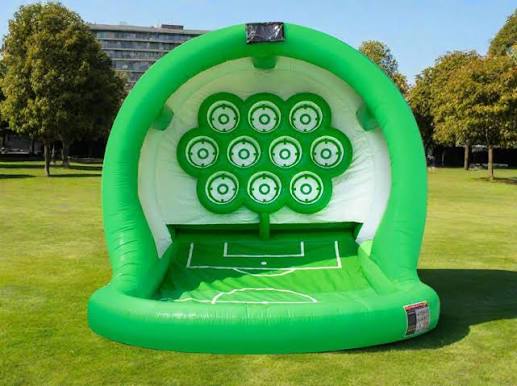
Inflatable games are a popular choice for birthday parties, school events, festivals, corporate gatherings, and commercial entertainment businesses. They provide interactive activities that encourage participation, friendly competition, and physical movement. However, choosing the right inflatable requires more than comparing designs and prices. Buyers need to consider quality, safety, dimensions, intended use, and long-term maintenance before making a purchase.
When exploring Inflatable Games for Sale, it is important to evaluate each product carefully to ensure it meets your requirements and offers lasting value. Whether you are purchasing an inflatable for personal use or building a rental business, these ten factors can help you make a well-informed decision.
1. Check the Material Quality and Durability
Material quality is one of the first things to evaluate when buying inflatable games. The material affects how well the product withstands regular use, transportation, folding, and exposure to different environmental conditions.
Ask the manufacturer about the material type, thickness, reinforcement, and construction methods. Commercial applications may require equipment designed for frequent setup and repeated use, while occasional private events may have different requirements.
Pay attention to important construction details, including:
- Reinforced seams and high-stress areas.
- Durable stitching or welding appropriate to the material.
- Strong anchor points and attachment areas.
- Quality handles, entrances, and climbing sections where applicable.
- Resistance to wear under the intended operating conditions.
Avoid relying entirely on product photographs or general claims about durability. Request detailed specifications and ask whether the equipment is designed for personal, commercial, or both types of use.
2. Confirm the Size and Space Requirements
An inflatable game may look compact in a product listing but require considerable room once fully inflated. Before purchasing, check its length, width, height, and recommended clearance requirements.
Measure the installation area and compare it with the manufacturer’s specifications. Leave enough space for entrances, exits, anchoring systems, participant movement, supervision, and emergency access.
For indoor installations, check ceiling height, doorway dimensions, ventilation, flooring, and approved anchoring options. For outdoor venues, evaluate ground stability, drainage, nearby obstacles, and access to suitable power supplies.
If you plan to transport the inflatable between multiple venues, consider its packed dimensions and weight as well. Selecting an appropriately sized model makes installation easier and helps prevent costly space-related problems.
3. Evaluate Safety Features and Certifications
Safety should be a major consideration, particularly when children or large groups will use the inflatable. A suitable product should come with clear operating instructions and information about its intended users, participant limits, installation, and supervision requirements.
Before buying, ask the supplier which safety standards and regulations apply to the product in your location. Request relevant test reports, certificates, or compliance documents where applicable, and verify that they cover the specific model you intend to purchase.
Important features and requirements to review include:
- Appropriate anchoring and restraint systems.
- Clearly defined entrances and exits.
- Suitable protective barriers and landing areas.
- Blower and electrical specifications.
- Maximum participant limits and age restrictions.
- Weather-related operating limits.
- Emergency shutdown and deflation instructions.
Do not assume that every inflatable is suitable for every age group or public event. Follow the manufacturer’s requirements and arrange appropriate inspections when required.
4. Choose the Right Type of Inflatable Game
Inflatable games come in many designs, and each serves a different purpose. Selecting the right category depends on your audience, available space, event type, and entertainment goals.
Inflatable Sports Games
Sports-themed inflatables may include basketball challenges, soccer target games, football throwing activities, and similar skill-based attractions. They can work well at school sports days, festivals, corporate events, and promotional activities.
Inflatable Obstacle Courses
Obstacle courses feature activities such as crawling, climbing, jumping, and navigating barriers. They are often suitable for competitive events that encourage teamwork and physical activity.
Inflatable Interactive Games
Interactive attractions may include reaction challenges, target-based competitions, and head-to-head activities. These games are useful for events where organizers want to keep participants actively involved.
Inflatable Slides and Combination Units
Combination units can offer multiple activities within one structure, such as climbing areas, slides, and play zones. However, they may need additional space and supervision.
Compare the features of each category with your intended use. A game that attracts attention at a large festival may not be practical for a small backyard party or a venue with limited installation space.
5. Compare Prices and Total Ownership Costs
Price is an important factor, but the lowest quotation does not always provide the best value. Two inflatable games with similar appearances may differ significantly in materials, accessories, warranty coverage, and after-sales support.
When comparing prices, confirm what each quotation includes. Some suppliers may provide only the inflatable, while others may include a blower, repair kit, storage bag, anchoring equipment, and documentation.
Your total budget should account for:
- Product purchase price.
- Shipping, delivery, and applicable taxes.
- Required blowers and installation accessories.
- Transportation and storage.
- Routine cleaning and maintenance.
- Repairs and replacement parts.
- Insurance, permits, or inspections where required.
- Staff training and supervision for commercial use.
If you are purchasing for a rental business, estimate how frequently the inflatable may be used and what revenue it could generate. Consider setup time, maintenance expenses, and seasonal demand before deciding whether the investment is financially practical.
6. Research the Manufacturer and Supplier
A reliable manufacturer or supplier can make a significant difference in the purchasing experience. Good communication, accurate product information, dependable delivery, and accessible after-sales support are particularly important for first-time buyers.
Research the company’s background and look for customer feedback, product documentation, and evidence of experience supplying similar equipment. Ask for detailed specifications, current product photographs, and a written quotation.
Before placing an order, clarify the following details:
- Production and delivery timelines.
- Payment terms and accepted payment methods.
- Warranty conditions.
- Return or replacement policies.
- Availability of spare parts.
- Technical support and repair assistance.
Be cautious if a supplier provides vague answers, refuses to share essential specifications, or pressures you to make an immediate payment. A trustworthy supplier should explain the product clearly and help you understand its limitations.
7. Review Warranty and After-Sales Support
Inflatable games require ongoing care, and occasional repairs may be necessary during their service life. A clear warranty can help protect your investment against certain manufacturing defects, depending on the terms.
Ask how long the warranty lasts and which components it covers. Some warranties may cover material or manufacturing defects but exclude normal wear, misuse, improper installation, or damage caused by unsuitable weather conditions.
You should also find out how warranty claims are handled and whether repair parts can be shipped to your location. For commercial operators, delays in obtaining replacement components can affect scheduled rentals and business revenue.
Reliable after-sales support should ideally include access to operating instructions, maintenance guidance, troubleshooting assistance, and information about approved repairs. Review these details before purchasing rather than waiting until a problem occurs.
8. Check Installation, Power, and Setup Requirements
Some inflatable games are relatively straightforward to install, while larger structures may require more workers, additional equipment, and careful site preparation.
Ask the supplier how the inflatable should be installed, how many people are recommended for setup, and how long the process typically takes. Confirm the blower specifications, power requirements, cable arrangements, and any restrictions on the installation surface.
For outdoor use, verify that the product can be anchored correctly to the available ground. For indoor venues, check whether the building provides adequate height, space, ventilation, and suitable anchoring options.
You should also understand the correct inflation and deflation procedures. The equipment must remain secured and operated according to the manufacturer’s instructions throughout use. For commercial applications, make sure staff receive appropriate training before managing the attraction.
9. Consider Weather Resistance and Outdoor Suitability
If you plan to use inflatable games outdoors, weather suitability is essential. Wind, rain, extreme temperatures, and lightning can affect the stability of the equipment and the safety of participants.
Ask the manufacturer about permitted operating conditions and the precautions required for outdoor installation. Check whether the product is intended for indoor use, outdoor use, or both, and whether any additional protection is necessary.
Before each event:
- Review the local weather forecast.
- Inspect the installation surface and anchoring system.
- Monitor wind conditions during operation.
- Close the attraction if weather exceeds the manufacturer’s limits.
- Stop outdoor use during thunderstorms or lightning.
- Follow approved procedures before restarting after a shutdown.
Water can make inflatable surfaces slippery, while strong winds can place excessive force on the structure. Even equipment marketed for outdoor use must be operated within its specified limits. Weather resistance should never be interpreted as permission to use an inflatable in severe conditions.
10. Understand Maintenance, Cleaning, and Storage
Proper maintenance helps preserve the condition of an inflatable and makes it easier to identify potential problems before the next event. Before buying, ask the supplier how the product should be cleaned, inspected, dried, folded, and stored.
A practical maintenance routine should include inspecting seams, anchor points, restraints, material surfaces, and blower connections before every use. Clean the equipment using manufacturer-approved methods and allow it to dry properly before long-term storage.
Store the inflatable in a clean, dry location away from excessive heat, sharp objects, pests, and unnecessary pressure. Follow the specified folding and packing procedures to avoid damaging the material.
Keep records of inspections, repairs, and maintenance activities, especially if the inflatable is used commercially. Consistent documentation helps track recurring issues and supports more responsible equipment management.
Additional Tips for First-Time Buyers
After reviewing these ten factors, take time to compare at least a few suitable products. Create a simple comparison sheet listing dimensions, materials, intended use, included accessories, warranty coverage, delivery costs, and supplier support.
Do not hesitate to ask questions about anything that is unclear. Confirm all important specifications in writing and review the final quotation before making payment. If the inflatable will be used for public events or commercial rentals, check applicable local regulations, insurance requirements, and inspection obligations.
It is also useful to plan for future needs. A small operator may initially need only one game, while an established rental business may benefit from equipment that can accommodate different event types. However, expanding too quickly can increase storage, transport, maintenance, and staffing costs.
The best purchase is not necessarily the largest or most expensive option. It is the product that meets your requirements, can be operated safely, and provides value over its expected service life.
Conclusion
Buying inflatable games requires careful consideration of material quality, dimensions, safety features, product type, total cost, supplier reliability, warranty, installation, weather suitability, and maintenance.
By checking these ten factors before making a purchase, first-time buyers can avoid common mistakes and select equipment that matches their budget and intended use. Whether you need an inflatable for family celebrations, school activities, festivals, or a commercial rental business, thorough research and clear communication with the supplier can help you make a more confident decision.
Prioritize reliable construction, appropriate safety documentation, and long-term support over price alone. With the right preparation, an inflatable game can become a valuable addition to your entertainment activities or business.