

Men’s sunglasses shoppers rarely have identical preferences. Some want classic frames that work with almost any outfit, while others look for bold shapes, sporty designs, or distinctive colors. Retailers need to understand these differences when building an eyewear collection that serves a broad customer base.
Choosing wholesale men sunglasses becomes easier when retailers group products according to customer needs instead of selecting styles at random. Frame shape, comfort, lens features, materials, colors, and price all influence purchasing decisions, so each factor deserves attention during product selection.
Understand Different Customer Priorities
Before ordering inventory, retailers should identify the main characteristics their customers value. A store that serves professionals may see stronger demand for understated frames, while a fashion-focused retailer may need more distinctive designs.
Customer feedback, sales records, online searches, and previous orders can help reveal these preferences. Retailers can then use that information to create a more targeted product range.
Stock Classic Styles for Everyday Shoppers
Many customers prefer sunglasses that remain useful across different occasions. Aviators, rectangular frames, wayfarer-inspired designs, and simple black sunglasses can meet this demand.
Classic styles work well for shoppers who value versatility over seasonal trends. Neutral colors and straightforward designs also make these products easier to pair with different outfits.
Offer Options for Fashion-Conscious Customers
Some shoppers treat sunglasses as a noticeable fashion accessory. These customers may look for unusual frame shapes, transparent materials, colored lenses, or distinctive finishes.
Retailers can add a smaller selection of fashion-forward products alongside their core styles. This approach introduces variety without allowing short-term trends to dominate the entire collection.
Consider Customers Who Prefer Sporty Designs
Active customers often prioritize comfort, coverage, and a secure fit. Sport and wraparound sunglasses can appeal to shoppers interested in outdoor activities, driving, cycling, travel, and recreation.
Lightweight construction and comfortable nose pads can make these styles more appealing for extended wear. Retailers should review the product specifications carefully before adding sport-focused frames to their inventory.
Provide Different Frame Shapes
Face shape and personal style influence how customers perceive sunglasses. A retailer with only one frame shape may miss potential sales from shoppers seeking a different fit or appearance.
A diverse collection can include:
- Round frames for a softer appearance
- Square frames for a more structured look
- Rectangular designs for a clean profile
- Aviators for a familiar classic style
- Geometric frames for contemporary shoppers
- Wraparound designs for customers seeking greater coverage
The quantities should vary according to customer demand rather than treating every shape equally.
Match Sunglasses to Comfort Preferences
Comfort can influence repeat purchases and customer satisfaction. Some shoppers prefer lightweight frames, while others like the substantial feel of thicker materials.
Retailers should consider frame weight, temple construction, nose pads, hinge quality, and overall dimensions. Offering several construction styles gives customers more opportunities to find comfortable eyewear.
Include Different Lens Features
Lens features can help retailers serve customers with specific needs. Standard tinted lenses can suit everyday use, while polarized lenses may appeal to people who spend significant time outdoors or driving.
Retailers should also pay attention to UV protection and request clear product specifications from suppliers. Accurate information helps stores describe products responsibly and avoid making unsupported claims.
Build a Useful Color Selection
Color preferences can vary considerably among shoppers. Black, brown, gray, silver, and tortoiseshell frames provide versatile choices for customers who prefer understated eyewear.
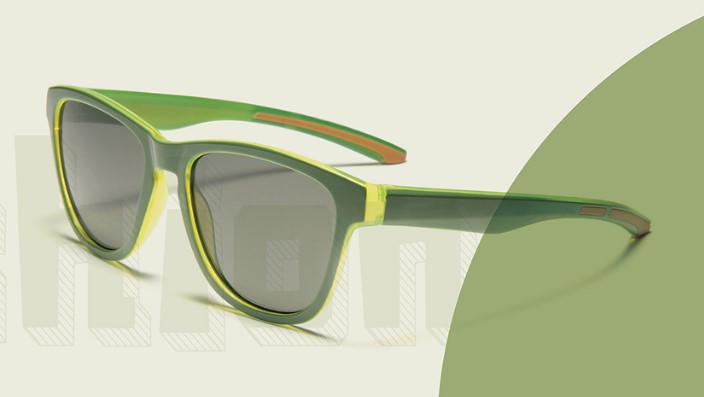
A smaller selection of blue, green, transparent, or other distinctive finishes can attract shoppers who want more personality. This creates variety while keeping the majority of inventory commercially practical.
Consider Different Customer Budgets
Price remains an important factor when retailers serve customers with different spending habits. A collection with only premium-priced products may overlook budget-conscious shoppers.
Retailers can create entry-level, mid-range, and premium selections. Each category should offer a clear difference in design, materials, construction, lens features, or overall presentation.
Think About Age and Lifestyle
Age does not determine personal style, but lifestyle and shopping habits can influence product preferences. Younger customers may show more interest in contemporary shapes, while some mature shoppers may favor familiar designs.
Retailers should avoid making assumptions about customers based solely on age. Instead, combine demographic information with actual sales data and customer feedback to identify useful patterns.
Select Products for Different Occasions
Customers may purchase sunglasses for specific situations. Everyday shoppers need versatile frames, travelers may prioritize lightweight designs, and outdoor enthusiasts may look for additional lens features.
Creating occasion-based categories can help retailers organize their selection. It also gives customers a simpler way to find products that match how they plan to use them.
Review Supplier Variety
A supplier’s product range can affect how easily a retailer responds to different customer preferences. Buyers should look for suppliers that offer multiple frame shapes, materials, colors, lens options, and price levels.
Eugenia Eyewear gives retailers another source to consider when developing men’s eyewear collections. Reviewing its available designs can help buyers identify products that complement their target market.
Order Samples Before Larger Purchases
Samples allow retailers to evaluate products beyond photographs and descriptions. Buyers can inspect frame construction, finish, weight, lens clarity, hinge movement, and overall comfort.
Testing samples also helps retailers compare different styles before committing to larger quantities. This process can reduce the risk of filling inventory with products that do not meet customer expectations.
Use Sales Data to Adjust Your Collection
Customer preferences can change over time. Retailers should monitor which frames sell quickly, which products receive positive feedback, and which designs remain in inventory for longer periods.
Use these findings to adjust future orders. Increase quantities for dependable performers and test new styles in smaller quantities before making larger commitments.
Create a Collection With Broad Appeal
A strong men’s sunglasses collection should give customers enough choice without becoming difficult to manage. Retailers can achieve this by combining classic frames, modern designs, sport styles, different lens features, varied colors, and multiple price points.
Eugenia Eyewear can also serve as a consideration for retailers looking to expand their men’s eyewear selection. The most effective product mix will ultimately depend on the store’s audience, budget, sales history, and positioning.
Final Thoughts
Choosing sunglasses for different customer preferences requires a customer-focused approach. Retailers should look beyond appearance and consider fit, comfort, frame shape, lens features, color, lifestyle, and price.
A carefully planned collection can serve several shopper groups while keeping inventory manageable. By studying customer behavior and reviewing product performance regularly, retailers can build a men’s sunglasses range that offers relevant choices and supports long-term retail growth.