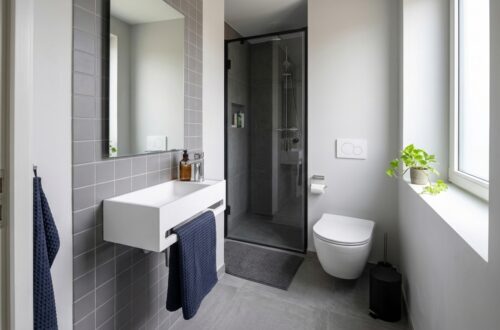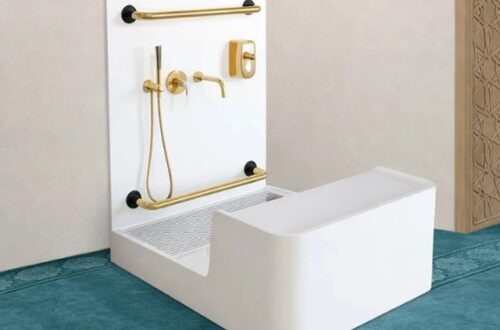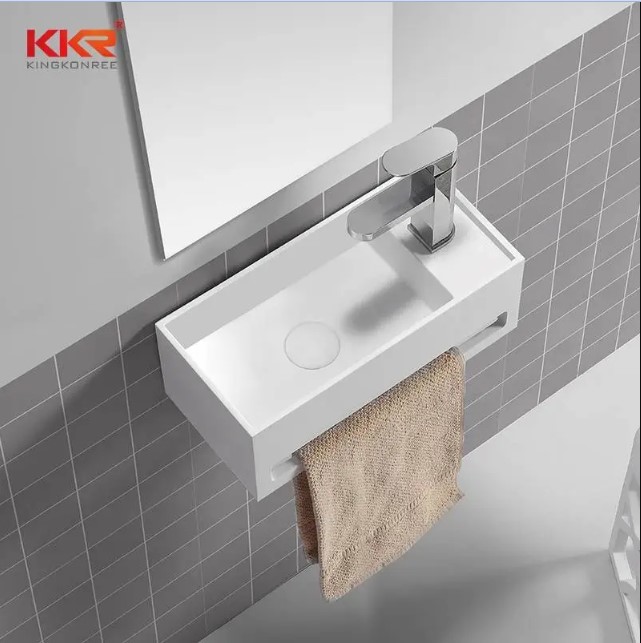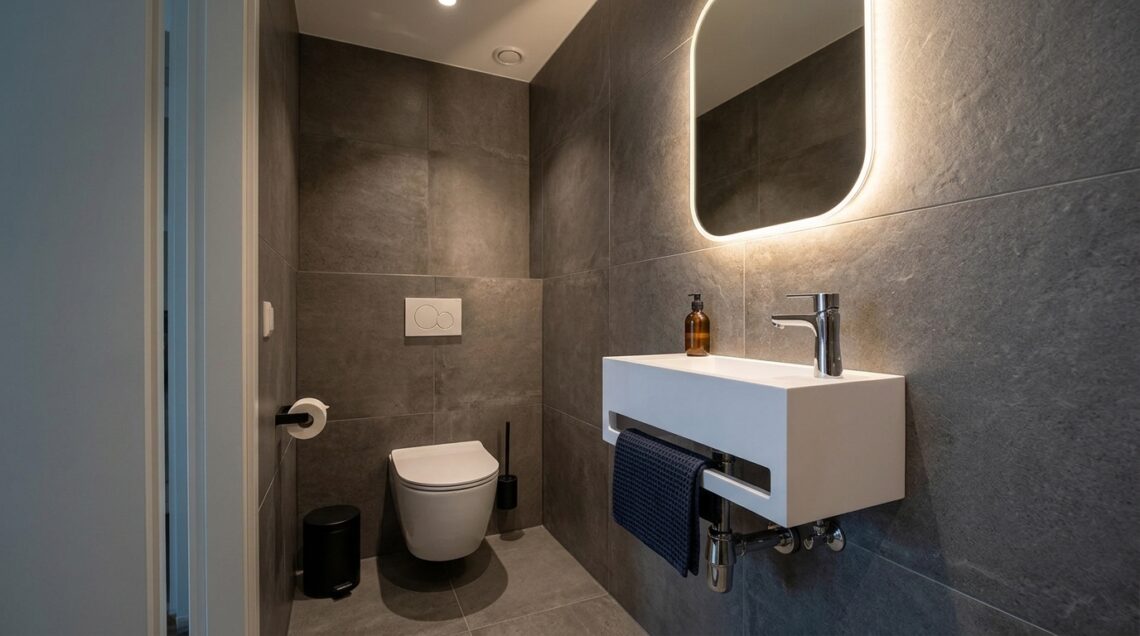
Choosing a bathroom basin involves more than finding a design that looks attractive. The basin must fit the available floor area, provide comfortable access to water, and work with the room’s plumbing and storage arrangements. In a compact bathroom, even a small difference in projection or width can affect how easily people move around. A thoughtful selection balances dimensions, shape, installation method, material, and everyday usability rather than treating appearance as the only priority.
When comparing a small basin for bathroom projects, begin by considering the room’s actual layout and the way the basin will be used. A handwashing station in a guest bathroom has different demands from the primary basin in a family bathroom. Understanding these needs helps narrow the available designs and prevents a purchase that looks suitable in a catalogue but proves inconvenient after installation.
Measure the space before choosing a shape
Accurate measurements provide the foundation for a successful choice. Record the available wall width, the distance between the proposed basin position and nearby fixtures, and the depth that can be accommodated without obstructing movement. Include door swings, shower screens, drawers, and cabinet doors in the assessment. A basin may physically fit against a wall yet make the room difficult to use if it projects too far into a narrow walkway.
Also consider the height of the finished installation. The basin rim should be positioned for comfortable use by the people who will use it most often. If the room serves children, older adults, or people with limited mobility, accessibility and reach deserve particular attention.
Select a form that suits the layout
Small basins are available in several configurations, each with different spatial advantages. A compact wall-mounted model leaves the floor below relatively open and can make cleaning easier. A corner basin may use an area that would otherwise remain unused, although its shape and position must still allow comfortable access. A countertop basin can create a distinctive focal point, but it requires a suitable supporting surface and enough room around the bowl.
The internal shape matters as much as the outside dimensions. A basin with a reasonably deep bowl may be more practical than an extremely shallow model of similar width. Look for a form that contains ordinary splashes without making handwashing awkward.
Check materials and surface quality
Material affects appearance, maintenance, durability, and cost. Vitreous china and ceramic are familiar choices because their smooth glazed surfaces are generally straightforward to clean. Solid-surface materials can offer contemporary forms and, depending on the product, integrated designs or seamless-looking finishes. Natural stone may create a distinctive appearance but can require more careful maintenance.
Before buying, ask about resistance to staining, surface damage, cleaning products, and normal household wear. Examine samples or product photographs closely, and review the manufacturer’s care instructions. A visually appealing finish is most useful when it can be maintained with products and routines that suit the household.
Plan the tap and drainage arrangement
A basin should be selected together with its tap and waste fittings. Confirm whether the model has a tap hole, requires a wall-mounted tap, or is designed for a separate countertop fitting. The spout must reach far enough into the bowl to make handwashing comfortable while avoiding unnecessary splashing.
Check the waste outlet position and the space required for the trap and pipework. Wall-mounted models may need suitable concealed or exposed plumbing arrangements. If the existing services cannot be moved easily, choosing a basin compatible with their locations may reduce renovation work.
Think about storage and cleaning
A compact bathroom often needs every fixture to contribute to an organized layout. Some basins can be paired with a narrow vanity unit that conceals plumbing and stores daily essentials. Others are better suited to an open, minimalist arrangement. Make sure any cabinet provides enough clearance for the trap, valves, and pipe connections.
Cleaning access should also influence the decision. Open floor space beneath a wall-mounted basin can simplify mopping, while a vanity may reduce visible pipework. Consider the joints around the basin, the shape of the back edge, and whether water could collect in difficult-to-reach areas.
Review installation details before ordering
Confirm the product’s exact dimensions, mounting method, included fittings, and installation requirements. Ask whether wall reinforcement is needed and whether the supplied instructions specify particular fixing points. For heavy basins or unfamiliar plumbing arrangements, professional installation can help prevent leaks, unstable mounting, and damage to surrounding finishes.
A well-matched basin improves the whole room
The ideal compact basin is not necessarily the smallest model available. It is the one that fits the room, supports comfortable daily use, and complements the plumbing and interior design. Careful measuring, material assessment, and installation planning make it easier to choose a basin that remains practical and attractive over time.