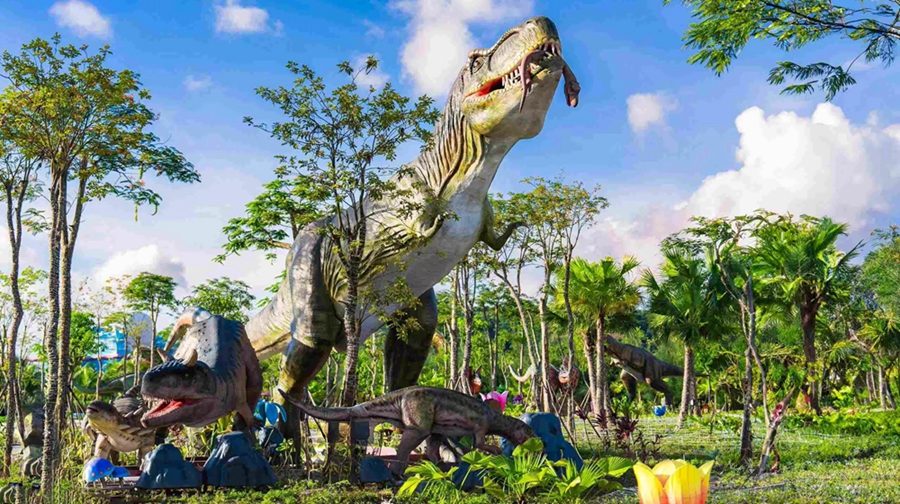
Realistic animal models have become valuable resources for educational institutions, entertainment venues, museums, and exhibition organizers. They provide an opportunity to display different animal species without relying on live animals, making them useful for wildlife education, themed environments, and interactive attractions. With improvements in manufacturing materials and mechanical technology, modern animal replicas can reproduce natural appearances with impressive accuracy.
When selecting a Realistic Animal Model, buyers should consider more than its visual appearance. Material quality, anatomical accuracy, construction methods, durability, and intended application all influence the suitability of a model. Whether the project involves a museum exhibition, a wildlife-themed attraction, or an educational display, choosing the right model requires careful evaluation.
Understanding the Different Types of Realistic Animal Models
Before purchasing, it is important to understand the main categories of animal models available. Each type serves a different purpose and offers specific advantages.
Static Animal Models
Static models are designed to reproduce the appearance of real animals without mechanical movement. They are commonly used in museums, educational displays, decorative installations, and themed environments.
These models can feature detailed body structures, realistic colors, textured surfaces, and carefully sculpted facial features. Their relatively simple construction also makes them suitable for projects where low maintenance is a priority.
Animatronic Animal Models
Animatronic models combine realistic exterior designs with mechanical and electronic systems. They can reproduce different movements, including head turning, mouth opening, eye blinking, and tail movement.
Some advanced versions also include sound effects and motion sensors that activate specific actions when visitors approach.
These models are particularly useful for theme parks, interactive exhibitions, and entertainment projects that require a more engaging presentation.
Customized Animal Sculptures
Customized animal sculptures are manufactured according to specific project requirements. Buyers can request particular species, dimensions, poses, colors, and surface details.
They are useful for large-scale attractions, commercial displays, educational installations, and projects with unique creative themes.
Important Factors to Consider When Choosing Animal Models
Selecting a high-quality animal model involves evaluating several technical and visual characteristics.
1. Anatomical Accuracy
Anatomical accuracy is one of the most important indicators of a realistic animal replica. The model should represent the animal’s natural body proportions, posture, facial structure, and physical characteristics.
For example, a realistic elephant should have appropriately shaped ears, a detailed trunk, strong legs, and natural body proportions. A lion model should accurately reproduce its facial structure, muscular body, mane, and characteristic features.
Buyers should examine product photographs and reference materials to determine whether the design reflects the actual species.
2. Surface Texture and Fine Details
Surface detailing contributes significantly to the overall appearance of an animal model.
Different species require different finishing techniques. Mammals may need realistic fur patterns, while reptiles require detailed scales and textured skin. Birds benefit from carefully reproduced feather patterns and body contours.
High-quality finishing should avoid an overly artificial or uniform appearance. Natural variations in texture and color help create a more convincing result.
3. Material Quality
The materials used during manufacturing influence durability, appearance, weight, and maintenance requirements.
Common materials include:
- Fiberglass: Suitable for strong, detailed static sculptures and large decorative models.
- Silicone: Useful for flexible surfaces and detailed skin textures.
- Rubber: Often used for flexible exterior components and certain moving sections.
- Metal: Provides internal structural support, particularly for large or animatronic models.
- Resin: Suitable for smaller decorative figures and detailed components.
The most appropriate material depends on the model’s design, installation environment, and expected usage.
4. Painting and Color Finishing
Natural-looking colors help distinguish a professionally finished animal model from a basic decorative figure.
Manufacturers may use multiple paint layers, shading techniques, and hand-painted markings to reproduce natural patterns.
For example, zebra stripes, leopard spots, and the color variations of tropical birds require careful application to achieve an authentic appearance.
Buyers should review close-up photographs to assess the quality of the finishing work.
Evaluating Animatronic Features and Technology
For projects that require moving animal figures, mechanical performance is just as important as visual quality.
Movement Capabilities
Animatronic systems use motors and actuators to reproduce selected animal movements. Depending on the design, a model may include:
- Head and neck movements.
- Mouth opening and closing.
- Eye blinking.
- Tail movement.
- Simulated breathing.
- Body movement.
The number and complexity of movements depend on the model’s size, mechanical structure, and intended application.
Before purchasing, request a demonstration video showing the actual movement functions.
Sound and Audio Effects
Sound systems can improve the realism of animatronic animal displays. Some models include built-in speakers that reproduce species-related sounds, such as lion roars, elephant calls, or bird vocalizations.
Buyers should check whether sound effects can be synchronized with movement and whether volume adjustments are available.
Sensor-Based Interaction
Some advanced models use motion or proximity sensors to respond to nearby visitors.
For example, a model may turn its head, move its mouth, or produce a sound when someone approaches.
These interactive functions are useful for educational exhibitions and family entertainment environments where visitor participation is encouraged.
Choosing the Right Animal Models for Different Projects
The ideal model depends on the project’s objectives and target audience. Different environments require different combinations of appearance, durability, and functionality.
Educational Institutions and Museums
Museums and educational institutions generally prioritize anatomical accuracy and informative presentation.
Animal replicas can help explain biodiversity, animal adaptations, physical structures, and natural habitats.
For example, wildlife displays may include elephants, lions, giraffes, bears, and various bird species. Information panels placed beside each model can provide additional details about the animal’s diet, geographical distribution, and conservation status.
Theme Parks and Entertainment Venues
Theme parks often focus on visual impact and visitor engagement.
Large animal sculptures can help establish themed environments, while animatronic figures add movement and sound to create more immersive attractions.
Depending on the theme, parks may choose jungle animals, marine creatures, prehistoric species, or combinations of different wildlife models.
Shopping Centers and Commercial Exhibitions
Commercial venues frequently use realistic animal sculptures as decorative attractions and photography displays.
Large, visually distinctive figures can attract attention and help create themed exhibition areas.
Customized models can also be developed to match promotional campaigns, seasonal events, or specific interior designs.
Wildlife Awareness Projects
Animal replicas can support wildlife conservation education by introducing visitors to different species and their natural characteristics.
Models of endangered animals can be displayed alongside information about habitat loss, environmental changes, and conservation efforts.
This approach helps make educational messages more accessible to general audiences.
Indoor and Outdoor Installation Requirements
The installation environment should influence the purchasing decision from the beginning.
Indoor Animal Models
Indoor models are commonly installed in museums, shopping malls, exhibition halls, and entertainment centers.
Because they are protected from direct weather exposure, buyers can focus on appearance, finishing quality, and display arrangements.
However, the available floor space, ceiling height, ventilation, and visitor access should still be considered.
Outdoor Animal Models
Outdoor installations require materials and finishes that can withstand environmental exposure.
Sunlight, rain, humidity, dust, and temperature changes may gradually affect exterior surfaces and structural components.
Before purchasing, ask whether the model includes appropriate protective coatings and whether its construction is suitable for continuous outdoor use.
For animatronic figures, electrical enclosures and weather protection are particularly important.
How to Identify a Reliable Animal Model Manufacturer
Choosing the right supplier is an important part of achieving a successful project.
A professional manufacturer should demonstrate experience in model production, material selection, detailed finishing, and technical design.
Consider evaluating the following points:
- Previous projects: Review examples of completed animal models and installations.
- Production capabilities: Ask about available materials, manufacturing methods, and customization services.
- Product demonstrations: Request photographs and videos of actual products, especially for animatronic models.
- Technical specifications: Check dimensions, weight, movement functions, and installation requirements.
- Quality control: Understand how products are inspected before delivery.
- After-sales support: Confirm warranty conditions, spare-part availability, and maintenance assistance.
Clear communication is also important. A reliable manufacturer should be able to explain product specifications and provide realistic production and delivery estimates.
Understanding the Cost of Realistic Animal Models
The price of an animal model depends on its size, material, design complexity, finishing quality, and mechanical features.
A small static figure generally has different production requirements from a large animatronic animal equipped with multiple motors and interactive systems.
Several factors influence the overall investment:
- Size: Larger models require more materials and structural support.
- Materials: Specialized flexible materials and detailed exterior finishes can affect production costs.
- Design complexity: Accurate anatomy and intricate surface details require additional craftsmanship.
- Mechanical technology: Motors, actuators, sensors, and sound systems increase technical complexity.
- Customization: Special dimensions, colors, and movement sequences may affect the final quotation.
- Transportation: Packaging, shipping, and installation should be considered when calculating the complete budget.
Instead of comparing prices alone, buyers should evaluate product quality and long-term operating costs.
Maintenance Tips for Long-Lasting Performance
Proper maintenance helps preserve the appearance and functionality of animal models.
Static models generally require periodic cleaning and surface inspections. Any scratches, cracks, or damaged coatings should be addressed before they become more serious problems.
Animatronic models require additional maintenance because they contain mechanical and electronic components.
Recommended maintenance activities include:
- Inspecting motors and mechanical joints.
- Checking electrical connections and control systems.
- Testing movement sequences and sensors.
- Cleaning exterior surfaces with suitable products.
- Examining flexible materials for cracks or deterioration.
- Checking structural supports and mounting components.
Outdoor installations may require more frequent inspections due to exposure to environmental conditions.
Following manufacturer recommendations can help reduce unexpected repairs and extend the model’s service life.
Future Developments in Realistic Animal Model Manufacturing
The animal model industry continues to evolve through improvements in robotics, manufacturing materials, and digital technology.
Advanced animatronic systems are making it possible to produce smoother movements and more coordinated actions. New materials may also improve the flexibility and appearance of exterior surfaces.
Artificial intelligence and interactive sensors could introduce more responsive animal displays that react to visitor activity in different ways.
Augmented reality may also become increasingly useful in educational environments, allowing visitors to access digital information about animal anatomy, habitats, and behavior while observing physical models.
These developments will create additional opportunities for combining entertainment with educational experiences.
Conclusion
Choosing high-quality realistic animal models requires careful attention to design accuracy, material selection, construction quality, and intended application. Whether a project involves a museum exhibition, wildlife education program, theme park, or commercial attraction, the selected models should meet both visual and practical requirements.
Animatronic features can provide additional value through movement, sound, and visitor interaction, while static models offer a simpler option for decorative and educational displays. By evaluating manufacturers, reviewing product specifications, and planning for long-term maintenance, buyers can make informed decisions and develop engaging animal-themed environments.