


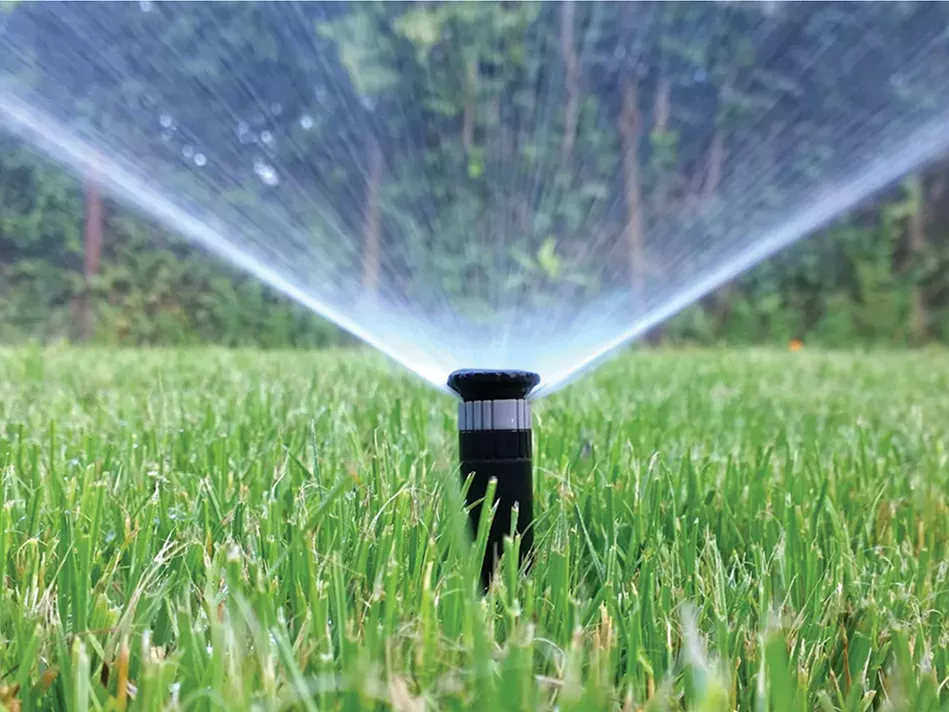
Proper sprinkler installation plays an important role in achieving effective irrigation. Even well-designed equipment may not perform as expected if it is installed incorrectly or placed without considering the conditions of the site.
Before installation begins, it is important to evaluate factors such as water supply, system layout, soil conditions, coverage requirements, and operating pressure. Guidance from a reliable Sprinkler Manufacturer can help users understand product specifications and installation requirements for different irrigation applications.
Evaluate the Water Supply
The available water supply should be checked before installing sprinklers. Water volume, pressure, and flow capacity determine how many sprinklers can operate effectively within a single irrigation zone.
If the water supply is not sufficient for the selected sprinkler layout, performance issues may occur. These can include reduced spray distance, uneven coverage, and inconsistent irrigation.
Understand the Site Layout
The shape and size of the irrigation area should influence sprinkler placement. Open spaces, narrow sections, planting beds, slopes, and obstacles all require careful planning.
A detailed site evaluation helps determine where sprinklers should be positioned and which spray patterns are most suitable. This reduces water being applied to areas where it is not needed.
Select the Right Sprinkler Type
Different irrigation areas require different sprinkler designs. The correct choice depends on factors such as coverage area, water requirements, plant type, and environmental conditions.
Important selection considerations include:
- Required spray radius
- Flow rate
- Operating pressure
- Coverage pattern
- Installation location
- Maintenance requirements
Choosing equipment that matches the application helps create a more efficient irrigation system.
Check Operating Pressure Requirements
Pressure has a direct effect on sprinkler performance. Before installation, confirm that the available pressure matches the requirements of the selected equipment.
Low pressure may prevent proper coverage, while excessive pressure can create misting and uneven distribution. Maintaining suitable pressure helps sprinklers operate closer to their intended performance.
Plan Sprinkler Spacing Carefully
Spacing affects how evenly water is distributed across an area. Sprinklers that are positioned too far apart may leave dry sections, while excessive overlap can waste water.
The layout should consider the actual operating radius of the sprinkler under site conditions. Wind, terrain, and pressure variations should also be taken into account.
Consider Soil Characteristics
Soil type influences how quickly water can be absorbed. Sandy soils may require different irrigation approaches compared with heavier soils that absorb water more slowly.
Sprinkler application rates should be compatible with soil conditions. Applying water faster than the soil can absorb may lead to runoff and reduced efficiency.
Account for Weather Conditions
Environmental conditions can affect sprinkler performance after installation. Wind, temperature, humidity, and evaporation rates may influence how much water reaches the target area.
In areas with strong winds, sprinkler placement and operating schedules may need adjustment to reduce water drift and improve coverage.
Prepare the Installation Area
The installation area should be prepared before placing sprinklers. Remove obstacles, identify underground utilities where necessary, and ensure that installation points are accessible.
Proper preparation can make installation easier and reduce the risk of future problems caused by poor positioning or physical interference.
Install at the Correct Height
The height of a sprinkler can influence water distribution. A sprinkler installed too low may have its spray blocked by vegetation, while excessive height may increase exposure to wind or damage.
The recommended installation height depends on the sprinkler design and the intended application. Following technical guidance helps maintain better coverage.
Ensure Proper Pipe and Connection Setup
Sprinklers rely on the irrigation network for consistent water delivery. Pipes, fittings, valves, and connections should be properly selected and installed to support system performance.
Incorrect connections or unsuitable pipe sizing can create pressure losses, leaks, or uneven operation between different sprinkler locations.
Test the System After Installation
Testing is an essential step after installation. Running the system allows users to identify problems that may not be visible during setup.
During testing, check for:
- Uneven spray coverage
- Leaks at connections
- Incorrect sprinkler direction
- Pressure problems
- Blocked nozzles
- Areas receiving too much or too little water
Making adjustments early can improve system performance and prevent future water waste.
Consider Future Maintenance
A good sprinkler installation should allow easy access for maintenance. Components that are difficult to reach may be neglected, leading to performance issues over time.
Plan installation locations so that inspections, cleaning, repairs, and replacements can be completed without major disruption.
Avoid Common Installation Mistakes
Several installation mistakes can reduce sprinkler efficiency:
- Installing sprinklers without measuring the area
- Ignoring water pressure requirements
- Using unsuitable spacing
- Placing sprinklers near obstacles
- Failing to test coverage after installation
- Choosing equipment without considering site conditions
Avoiding these issues helps create a more balanced and reliable irrigation system.
Importance of Proper Installation Planning
Installation is not only about placing sprinklers in the ground. It involves understanding how every component works together, including water supply, piping, pressure, spacing, and environmental factors.
Careful planning before installation can reduce adjustments later and help ensure that the irrigation system performs efficiently.
Final Thoughts
Installing sprinklers correctly requires attention to several important factors, including water availability, site conditions, sprinkler selection, pressure management, spacing, and maintenance access.
A well-planned installation allows sprinklers to distribute water more effectively and reduces problems caused by poor coverage or unnecessary water use. By considering these factors from the beginning, irrigation systems can achieve better performance and long-term reliability.