


There are two very different reasons people spend money on their car’s exterior. Some want to change the way it looks, while others simply want to keep the original paint in good condition. That distinction becomes important when comparing a car wrap with paint protection film.
Both options will make your car look brand new and will protect it to some extent. However, the two services do not have the same function, and their price will differ significantly according to materials used, the car itself, and quality of installation.
Thus, when you compare the cost of car wrapping to paint protection costs, which one will be a better choice? The best choice will depend on what you expect from the service.
What Does a Car Wrap Actually Do?
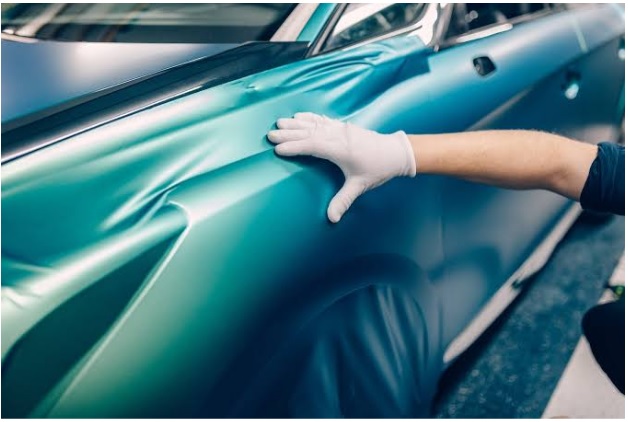
A car wrap is a vinyl material applied over the vehicle’s exterior panels. It can be used to change the color, add a particular finish, or create a distinctive visual effect without permanently repainting the car.
Gloss, satin, matte, metallic, and color-shifting finishes are among the choices available.
For someone who is bored with the factory color or wants a temporary styling change, wrapping offers considerable flexibility. The original paint remains underneath, and the vinyl can generally be removed when the owner wants to return to the original appearance.
However, a wrap is not primarily an impact-protection product. It can protect the underlying paint from some light surface marks and exposure, but sharp stones and deeper impacts can still damage the vinyl and potentially the paint below it.
Understanding Car Wrapping Cost
The car wrapping cost is rarely a single fixed figure. A small hatchback will usually require less material and labor than a large SUV. Material quality also makes a noticeable difference.
Ordinary vinyl will generally be cheaper, whereas high-quality films with good color matching, longevity, and surface finish will generally be much pricier.
The state of the vehicle’s body is another issue. In case there are any scratches, clear coat peelings, or other imperfections on the car, additional preparation might be necessary before applying the vinyl film. It should also be remembered that a professional will demand extra money for working with tricky body surfaces.
In general, it would be wise to inquire about what exactly is included in the price offered.
A low quote isn’t necessarily a bargain if the material or workmanship is poor.
How Paint Protection Film Is Different
Paint protection film, commonly known as PPF, is designed with a different priority: protecting the original paint from physical damage.
It is generally thicker than ordinary automotive vinyl and is particularly useful on areas exposed to stone chips and road debris. The front bumper, bonnet, front fenders, mirrors, and door edges are common choices.
Some modern PPF products also have self-healing top layers. Minor surface marks can become less visible when exposed to appropriate heat, helping the film maintain a cleaner appearance.
Which One Offers Better Paint Protection?
If protection is the deciding factor, PPF has the advantage.
A vinyl wrap can act as a barrier against dust, light scratches, and everyday exposure, but it isn’t engineered to absorb the same type of impacts as dedicated paint protection film.
That doesn’t make wrapping a poor choice. It simply means the two products should not be judged by the same standard.
A wrap is primarily a styling solution with some protective benefits. PPF is primarily a protection solution that can also maintain the vehicle’s appearance.
Don’t Ignore Installation Quality
Whatever option you choose, installation can make or break the result.
Before either material is applied, the surface should be clean and properly prepared. Dust, grease, or contamination trapped underneath can affect the finish. Poorly handled edges may lift, while excessive stretching can distort the material.
Ask to see examples of the installer’s previous work. Pay attention to corners, panel gaps, mirrors, and difficult body lines rather than just looking at photographs taken from a distance.
A premium film installed badly is still a disappointing investment.
Maintenance and Longevity
Both treatments require sensible maintenance.
A wrapped or PPF-protected car should be washed using suitable automotive products and soft cleaning tools. Aggressive brushes, harsh chemicals, and careless pressure washing around exposed edges can cause problems.
How long the material lasts depends on the product, installation, climate, and maintenance routine. Parking outdoors for long periods can also affect appearance over time.
This is another reason to read the manufacturer’s care instructions instead of relying solely on general car-washing advice.
Conclusion
There is no universal winner.
If changing the appearance of your vehicle is the main goal, a wrap provides far more creative freedom. The car wrapping cost can be justified when color, finish, and temporary styling matter more than maximum impact resistance.
If keeping the original paint protected is the priority, paint protection film is generally the more suitable investment. It is specifically designed to deal with the kind of minor physical damage that cars encounter on busy roads.
Think about the reason you’re spending the money in the first place. If you want a new look, wrap it. If you want to preserve the look you already have, protect it.
For many car owners, that simple distinction makes the decision much easier.