


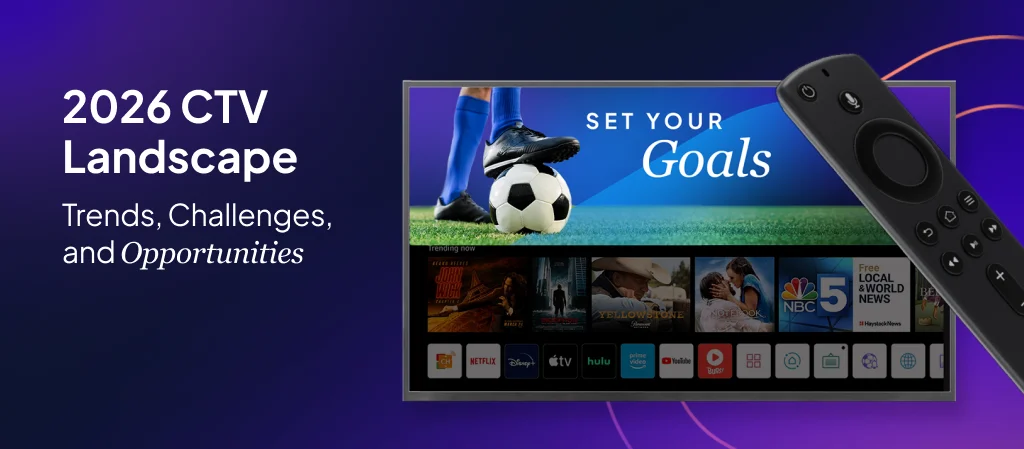
Connected TV advertising has quickly become one of the most powerful digital marketing channels. As streaming platforms replace traditional cable television, brands now have access to smarter ways of reaching their audiences through data-driven campaigns. Businesses today want measurable outcomes, precise targeting, and real-time optimization—capabilities that modern advertising technologies can provide.
For marketers seeking a smarter approach, the Starti CTV advertising platform offers a powerful AI-driven solution designed to build performance-focused campaigns across global streaming environments. Instead of relying on outdated television ad buying methods, brands can leverage artificial intelligence, audience analytics, and automated optimization to improve campaign performance and maximize measurable results.
The Evolution of Television Advertising
Television advertising used to rely heavily on broad audience estimates. Traditional TV networks offered limited targeting capabilities, which meant advertisers often paid high costs without clear visibility into performance or audience engagement.
However, the rise of streaming platforms and connected devices has reshaped the media landscape. Viewers now consume content on smart TVs, streaming sticks, and digital platforms. This shift has allowed advertisers to move beyond guesswork and toward data-driven strategies.
Connected TV (CTV) advertising combines the storytelling power of television with the precision of digital marketing. Advertisers can now reach specific audiences based on demographics, viewing habits, interests, and behavioral data. The result is more efficient advertising and improved campaign outcomes.
Why Data-Driven Advertising Matters
Modern marketing requires measurable performance. Businesses want to understand exactly how their advertising budgets are being used and what results they generate.
Data-driven advertising platforms allow marketers to track important metrics such as:
- Audience engagement
- Video completion rates
- Conversion performance
- Geographic response patterns
- Cross-device attribution
By analyzing these insights, brands can continuously refine their campaigns to improve performance. This level of transparency was rarely possible in traditional TV advertising models.
AI and Real-Time Optimization
Artificial intelligence plays a crucial role in improving advertising performance. Instead of manually adjusting campaigns, AI systems analyze performance data continuously and automatically optimize ad delivery.
Real-time optimization allows advertisers to:
- Identify the most effective audience segments
- Adjust ad placements dynamically
- Improve targeting accuracy
- Reduce wasted advertising spend
- Increase campaign engagement
These improvements help brands maintain efficient campaigns while adapting quickly to audience behavior and market changes.
Precision Audience Targeting
One of the biggest advantages of connected TV advertising is advanced audience targeting. Instead of broadcasting ads to broad audiences, brands can deliver messages to specific viewer groups.
Advanced targeting can include:
- Age and demographic segments
- Geographic regions and local markets
- Behavioral interests and viewing habits
- Household income brackets
- Device usage patterns
This targeted approach ensures that marketing messages reach viewers who are most likely to engage with the brand.
As a result, advertisers can achieve higher conversion rates and stronger customer relationships.
Measurable ROI and Attribution
For businesses investing in advertising, return on investment (ROI) is one of the most important performance indicators. Connected TV platforms provide advanced attribution tools that help marketers understand how their campaigns contribute to measurable outcomes.
Attribution models can track viewer interactions across multiple devices and channels. For example, a viewer may watch an advertisement on a smart TV and later complete a purchase using a mobile device or laptop.
By connecting these interactions, marketers gain a clearer picture of how their advertising efforts drive conversions and revenue growth.
Global Reach Through Streaming Ecosystems
Streaming platforms have created a truly global advertising environment. Brands can now reach audiences across multiple countries and regions without relying solely on traditional broadcast networks.
Connected TV advertising allows campaigns to run across:
- Smart TV applications
- Streaming devices
- Video-on-demand platforms
- Digital content networks
- Global streaming services
This global reach helps businesses expand their market presence while maintaining consistent messaging across different regions.
Additionally, advertisers can customize campaigns for specific geographic audiences, improving relevance and engagement.
Pay-for-Performance Advertising Models
Traditional advertising often required large upfront budgets with uncertain results. In contrast, modern CTV platforms increasingly support performance-based pricing models.
Pay-for-results advertising allows brands to invest in campaigns that prioritize measurable outcomes such as:
- Qualified leads
- Website traffic
- App installs
- Product purchases
- Audience engagement
This approach reduces risk for advertisers while encouraging platforms to focus on delivering measurable value.
By aligning platform performance with business outcomes, companies can allocate their marketing budgets more effectively.
Improved Campaign Transparency
Another key benefit of modern CTV advertising technology is transparency. Advertisers now have access to detailed dashboards and reporting systems that provide real-time insights into campaign performance.
These analytics tools allow marketers to monitor:
- Ad delivery performance
- Audience reach
- Video engagement metrics
- Budget allocation
- Conversion tracking
With greater visibility into these metrics, marketing teams can make informed decisions and quickly adjust strategies to improve results.
Strategic Decision-Making for Advertisers
As the digital advertising ecosystem continues to evolve, brands must carefully choose the platforms and technologies that support their marketing goals.
Advanced connected TV solutions provide businesses with tools for campaign management, audience targeting, and performance measurement. When implemented effectively, these technologies enable marketers to deliver highly engaging video campaigns that resonate with modern streaming audiences.
Advertisers who adopt data-driven advertising platforms are better positioned to compete in a rapidly changing media landscape.
Practical Insights for Smarter Advertising Investments
Businesses looking to optimize their streaming advertising strategies should focus on platforms that combine automation, data intelligence, and performance tracking. These capabilities ensure that marketing campaigns remain efficient and scalable as audience behaviors continue to shift.
Many industry experts and marketing resources provide valuable ROI guidance that helps businesses evaluate advertising technologies and choose strategies that align with long-term marketing objectives.
Understanding how different advertising platforms deliver measurable outcomes can help organizations build stronger marketing frameworks and achieve sustainable growth.
The Future of Connected TV Advertising
Connected TV advertising will continue to evolve as artificial intelligence, data analytics, and streaming technologies advance. Advertisers are increasingly seeking marketing solutions that combine creativity with performance measurement.
Future developments may include:
- More sophisticated audience modeling
- Enhanced cross-device attribution systems
- Advanced predictive analytics for campaign performance
- Greater integration between streaming platforms and e-commerce ecosystems
As these innovations emerge, brands that adopt intelligent advertising technologies early will gain a significant competitive advantage.
Connected TV is no longer just an extension of traditional television—it has become a powerful digital marketing channel capable of delivering measurable, data-driven results. Businesses that embrace this transformation will be better equipped to connect with modern audiences and achieve meaningful marketing success.