Electricity production and consumption do not always happen at the same time. Solar panels may generate their highest output during the day, while a household’s greatest demand may occur in the evening. Industrial facilities may also experience short periods of high demand that differ from their normal operating pattern. Energy storage provides a way to shift electricity from one period to another.
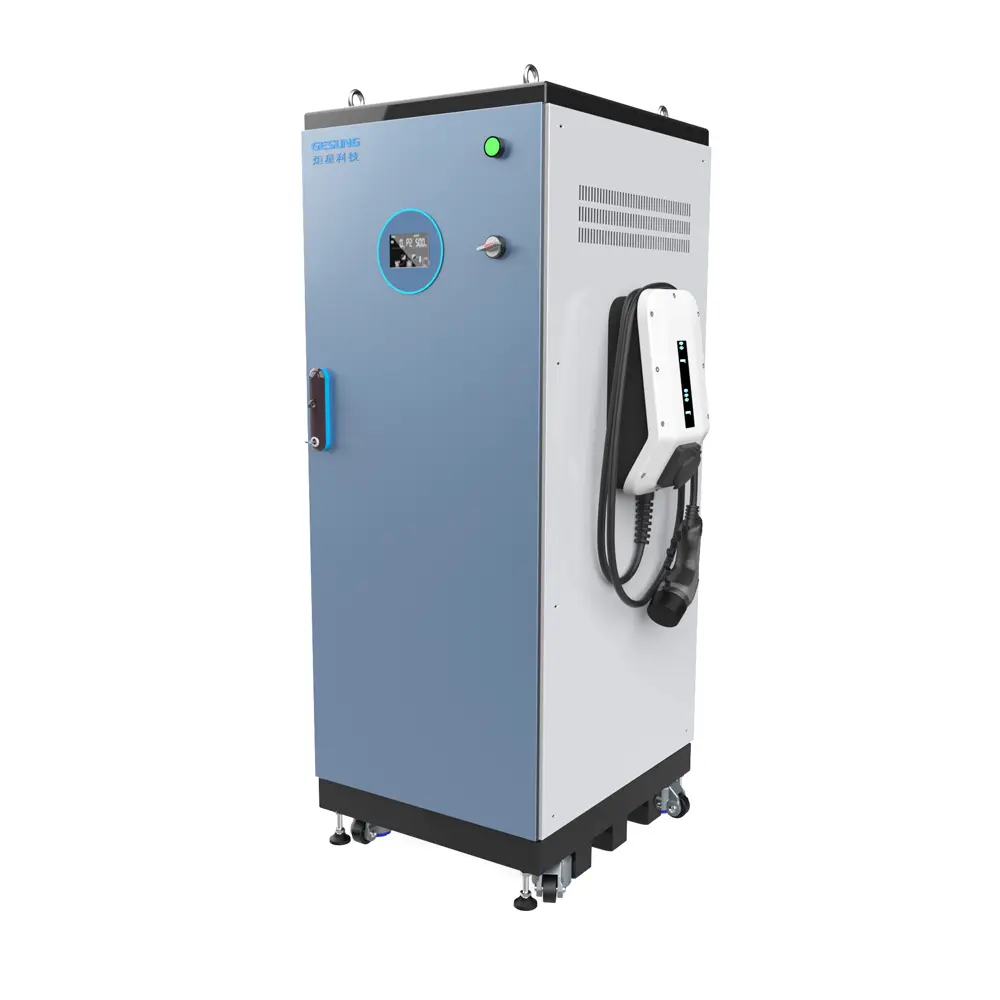
An Energy Accumulator is a device or system that stores energy for later use. In modern electrical applications, the term often refers to rechargeable battery storage, although energy can also be accumulated through other technologies. Battery-based systems store electricity chemically and release it when required, supporting backup power, renewable-energy integration, and load management.
How Electrical Energy Is Stored
A rechargeable battery contains electrochemical cells that store energy through reversible chemical reactions. During charging, electrical energy changes the chemical state of the cells. During discharge, those reactions release energy that can be supplied to connected equipment.
A battery system may include multiple cells arranged into modules and packs. These are combined with a battery management system, protective components, monitoring electronics, and sometimes an inverter.
The complete arrangement determines the system’s voltage, energy capacity, output capability, and operating limits. Individual cells should not be treated as a complete storage solution without the necessary controls and protection.
1. Understanding Capacity and Power
Energy capacity and power rating are two different measurements. Capacity, usually expressed in watt-hours or kilowatt-hours, describes how much energy the accumulator can store. Power, expressed in watts or kilowatts, describes how quickly it can deliver energy.
A system with high capacity can potentially operate a modest load for a long period. However, it may not be able to supply a large appliance if its maximum output power is limited.
When selecting a storage system, calculate both the energy required over the intended period and the highest simultaneous load. This helps avoid choosing a battery that is suitable in one respect but inadequate in another.
2. Supporting Renewable Energy
Energy accumulators can make renewable electricity more flexible. In a solar installation, excess daytime generation may be stored for use after sunlight decreases. In some systems, stored electricity can also support selected loads during a grid interruption.
The value of storage depends on the relationship between generation, consumption, electricity tariffs, and battery cost. A battery may increase self-consumption of solar electricity, but the financial benefit is not identical for every property.
A system designer should assess daily energy patterns and seasonal solar production before recommending capacity.
3. Backup for Homes and Businesses
Battery storage can supply electricity to selected circuits when the normal source is unavailable. Depending on the inverter and transfer arrangement, this may include lighting, communications, computers, refrigeration, and other compatible loads.
Critical equipment may require a UPS or a system with a sufficiently fast transfer function. A conventional battery inverter may not provide uninterrupted supply unless it is specifically designed for that purpose.
The backup plan should state which loads are supported and how long they are expected to operate.
4. Battery Chemistry and Operating Characteristics
Different battery chemistries offer different balances of cost, energy density, cycle life, safety characteristics, and temperature tolerance. Lithium-based batteries are widely used in modern storage products, while lead-acid batteries remain relevant in some applications.
The correct choice depends on how frequently the system will cycle, how much energy is required, available installation space, and the manufacturer’s operating specifications.
Cycle-life claims should be reviewed in context. They are generally based on defined conditions, such as depth of discharge, temperature, and charging method. Real service life can vary considerably.
5. The Role of a Battery Management System
A battery management system monitors cell conditions and helps keep operation within permitted limits. Depending on the design, it may monitor voltage, current, temperature, and other parameters.
Protection functions can help prevent excessive charging or discharge, overheating, and other abnormal operating conditions. Some systems also communicate with an inverter or energy management controller to coordinate charging and power delivery.
The battery management system should be compatible with the battery pack and the equipment connected to it. Mixing components without confirming compatibility can create operational and safety problems.
6. Installation, Maintenance, and End-of-Life Planning
Stationary storage systems need suitable mounting, electrical protection, ventilation or thermal management as specified, and access for servicing. The installation environment must remain within the manufacturer’s temperature and humidity limits.
Routine checks should include system alerts, cable condition, visible damage, and operating records. Maintenance requirements vary by chemistry and product design, so the supplier’s instructions should be followed.
Battery recycling and disposal should also be planned. Batteries should not be placed in ordinary household waste, and damaged units need appropriate handling through qualified services.
Why Energy Accumulation Matters
An energy accumulator makes electricity available at a different time from when it was generated or received. This supports renewable-energy use, backup arrangements, and more flexible power management.
Choosing an appropriate system requires attention to capacity, output, chemistry, control electronics, compatibility, and installation conditions. A properly designed storage arrangement can become a valuable part of a modern energy system.