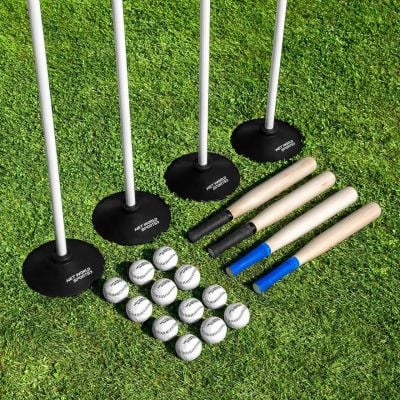
Rounders is a traditional bat-and-ball game enjoyed by children, teenagers, and adults in schools, sports clubs, and recreational settings. Combining running, batting, fielding, and teamwork, it provides an engaging way to develop physical skills while encouraging cooperation and friendly competition. Its straightforward concept makes it suitable for beginners, while different playing strategies keep experienced participants interested.
Having the right equipment is important for creating a safe and enjoyable playing experience. A complete Rounders Set provides the essential items needed to organize a game, whether it is being played during a school physical education lesson, a club training session, or an outdoor gathering. Understanding the components of a set and how to select suitable equipment can help teachers, coaches, and activity organizers make informed decisions.
What Is Rounders?
Rounders is a team sport in which players use a bat to hit a ball and then run around a series of bases, known as posts, to score points. One team bats while the opposing team fields and attempts to stop the batting team from scoring.
The game requires players to combine several skills, including batting accuracy, throwing, catching, running, and communication. It can be adapted for different age groups and abilities, making it a popular activity in school sports programs.
Although rules and equipment specifications can vary between organizations, the basic objective remains consistent: score rounders by completing the required circuit while avoiding being put out by the fielding team.
What Equipment Is Included in a Rounders Set?
A typical rounders set contains several essential pieces of equipment. The exact contents depend on the manufacturer and whether the product is designed for casual recreation, school use, or organized competition.
1. Rounders Bat
The bat is used by the batting team to strike the ball into the playing area. Rounders bats are generally made from wood or durable synthetic materials.
When selecting a bat, consider:
- Weight: It should be comfortable for the intended players to swing.
- Grip: A secure handle helps players maintain control.
- Length and shape: The bat should be suitable for the players’ age and ability.
- Construction: Durable materials can withstand regular use.
- Finish: Smooth surfaces help prevent discomfort from rough edges or splinters.
For school environments, it is useful to choose bats that are easy for younger participants to handle.
2. Rounders Ball
The ball is another essential component. It should be suitable for the players’ age group and the type of activity being organized.
A ball that is too hard or heavy may be unsuitable for younger beginners. Softer options can be useful for introductory activities, while clubs may select balls that meet their preferred competition specifications.
Check the ball’s size, weight, material, and durability before purchasing.
3. Rounders Posts
Rounders posts mark the positions that players must reach when running around the playing area. They provide clear reference points for both batting and fielding teams.
Posts may be made from plastic, foam, or other suitable materials. Some sets include flexible or weighted bases to improve stability.
For school and community use, posts should be easy to position, visible from a distance, and appropriate for the playing surface.
4. Bases and Markers
Depending on the set, additional markers may be included to help identify playing boundaries and designated areas.
These accessories make it easier for teachers and organizers to prepare the field, explain the rules, and manage different activities.
5. Carrying and Storage Bag
Some rounders sets include a bag for storing the bat, ball, posts, and other accessories. This is particularly useful for schools and clubs that share equipment between classes or training sessions.
A durable storage bag can help keep all components together and simplify transportation between locations.
Understanding the Basic Rules of Rounders
Knowing the basic rules helps players participate confidently and makes it easier for teachers and coaches to organize matches.
Team Formation
Rounders is generally played between two teams. One team takes the batting role while the other fields. Teams switch roles after the batting side has completed its turn according to the rules being used.
The number of players can vary depending on the competition format and local rules.
The Batting Process
A batter attempts to hit a ball delivered by the bowler. After making a valid hit, the batter runs around the posts in the correct order.
Players must decide whether they can safely reach the next post or continue running. Their decisions depend on the position of the fielders and the likelihood of being put out.
Fielding Responsibilities
The fielding team tries to retrieve the ball and prevent the batting team from scoring. Fielders need to communicate effectively, position themselves around the playing area, and return the ball quickly when appropriate.
The bowler also plays an important role by delivering the ball according to the agreed rules.
Scoring
Points are awarded when batters successfully complete the required running route under the applicable rules. The scoring system can differ between school versions and formal competitions.
Before starting a match, organizers should explain how rounders are scored and what actions result in a player being out.
Winning the Game
At the end of the agreed number of innings or playing periods, the teams compare their scores. The team with the higher total wins.
For informal school activities, teachers may adjust the duration and team format to give everyone more opportunities to participate.
Why a Rounders Set Is Useful for Schools
Rounders is particularly valuable in educational environments because it combines physical activity with opportunities to develop social and practical skills.
Encourages Physical Fitness
Running between posts, swinging a bat, throwing, and catching involve different muscle groups and movement patterns. Regular participation can support cardiovascular fitness, coordination, balance, and general physical activity.
Develops Hand-Eye Coordination
Players must watch the ball carefully when batting, catching, or fielding. Practicing these actions can help improve the coordination between visual attention and physical movement.
Promotes Teamwork
Rounders requires players to work together. Fielders coordinate their positions and communicate during play, while batters support their teammates and make decisions about when to run.
These interactions make the sport a useful activity for encouraging cooperation.
Builds Confidence
Learning to bat, catch, or complete a successful run can give beginners a sense of achievement. Gradual practice and supportive instruction can help students become more confident in their abilities.
Supports Fair Play
Following rules, respecting decisions, and treating opponents appropriately are important parts of rounders. School matches provide opportunities for students to practice sportsmanship and responsible competition.
Rounders for Sports Clubs and Training Sessions
Sports clubs can use rounders equipment for recreational matches, introductory sessions, and group activities.
Beginner Training
New players can start with simple exercises, such as throwing and catching in pairs or practicing controlled batting. Coaches can introduce the rules gradually as participants become more comfortable.
Skill Development
More experienced players can work on batting technique, accurate throwing, catching under pressure, and running decisions.
Training sessions can also include fielding drills that help players understand positioning and communication.
Friendly Club Competitions
Organizing short matches allows club members to apply their skills in a relaxed environment. Teams can be rotated to ensure that everyone gets a chance to bat and field.
Community Events
Rounders is suitable for outdoor festivals, family sports days, and local recreation programs. Its team-based format can encourage participation from people with different levels of sporting experience.
Choosing the Right Rounders Set
The most suitable set depends on who will use it, how frequently it will be played, and where the activities will take place.
| Buying consideration | What to look for |
|---|---|
| Intended age group | Equipment that is comfortable and manageable for the players |
| Bat construction | Durable material and a suitable grip |
| Ball design | Appropriate size, weight, and firmness |
| Posts | Stable, visible, and easy to position |
| Storage | A practical bag or organized storage solution |
| Durability | Materials that can withstand repeated use |
| Portability | Lightweight components for transport |
| Set contents | All essential items required for the intended game |
| Safety | Smooth finishes and equipment suitable for the playing environment |
Consider the Players’ Age and Experience
Equipment should match the physical abilities of the participants. Younger children may benefit from lighter bats and softer balls, while older students and club members may prefer equipment designed for more advanced play.
Check Material Quality
Regular school and club use can place considerable demands on sports equipment. Look for secure bat construction, durable ball materials, and posts that can withstand repeated handling.
Review the Complete Contents
Not every set includes the same accessories. Check the product description to confirm whether it contains the bat, ball, posts, markers, and storage bag required for the planned activities.
Think About Storage and Transportation
Schools often need to move equipment between sports halls, playgrounds, and storage rooms. Compact sets with practical carrying solutions can make this process easier.
How to Set Up a Rounders Playing Area
A suitable playing area helps ensure that the game runs smoothly and that players can move safely.
Choose an Appropriate Surface
Rounders can be played on suitable grass fields and other open sports surfaces. The ground should be reasonably even, free from holes, and large enough for the planned activity.
Position the Posts
Arrange the posts according to the rules and format being used. Make sure they are clearly visible and securely positioned.
Establish Playing Boundaries
Define the playing area so that batters and fielders understand where the game takes place. Avoid setting up near roads, obstacles, or other activities that could interfere with play.
Organize Team Positions
Explain where batters, fielders, and the bowler should stand. A short demonstration can help beginners understand the layout before the match begins.
Check the Equipment
Before play starts, inspect the bat, ball, and posts. Remove damaged equipment and ensure that all components are suitable for the participants.
Practical Rounders Activities for Schools
Teachers can adapt rounders exercises to suit different lesson objectives and skill levels.
Batting Practice
Allow students to practice hitting a stationary or gently delivered ball toward an open area. Focus on grip, balance, and controlled swings.
Throwing and Catching Drills
Pair students and ask them to practice accurate throws and safe catches. Gradually increase the distance as their skills improve.
Running Between Posts
Set up a simplified course and let students practice moving between posts in the correct order. This helps them become familiar with the basic running element of the game.
Fielding Exercises
Divide students into small groups and practice retrieving and returning the ball. Encourage clear communication and awareness of teammates.
Modified Team Matches
Use shorter games, smaller teams, or adjusted playing areas to make participation easier for beginners. Rotate positions so that each student experiences both batting and fielding.
Safety Guidelines for Rounders
Safe organization is essential, particularly when equipment is being used by children or large groups.
- Check the playing surface for holes, stones, and other hazards.
- Inspect bats for cracks, splinters, or loose components.
- Use balls that are appropriate for the participants’ age and ability.
- Keep spectators and waiting players outside the batting and running areas.
- Make sure players understand when it is safe to swing the bat.
- Avoid overcrowding around the posts.
- Encourage suitable footwear and clothing for outdoor activity.
- Provide supervision and clear instructions during school sessions.
Players should also warm up before starting more demanding activities. Teachers and coaches should adapt the session if weather or ground conditions make the playing area unsafe.
Caring for and Maintaining Rounders Equipment
Proper maintenance helps extend the useful life of a rounders set and keeps it ready for future activities.
Clean Equipment After Use
Remove dirt, grass, and moisture from the bat, ball, and posts. Use cleaning methods appropriate for the materials.
Store Items Properly
Keep equipment in a dry, organized storage area. Avoid leaving bats and balls outside for extended periods, especially in wet or harsh weather.
Inspect Components Regularly
Check bats for damage, balls for wear, and posts for cracks or unstable bases. Replace unsuitable items rather than continuing to use damaged equipment.
Keep Accessories Together
Return all components to the storage bag or designated equipment area after each session. This makes it easier to prepare for the next lesson or match.
Conclusion
A Rounders Set is a practical investment for schools, sports clubs, and outdoor recreation programs. With the right combination of bats, balls, posts, and accessories, organizers can introduce an enjoyable team sport that encourages physical activity, coordination, communication, and fair play.
When choosing equipment, consider the players’ age, the frequency of use, material quality, safety, and storage requirements. A well-selected and properly maintained set can support everything from beginner lessons to friendly club competitions, making rounders a valuable addition to a wide range of sporting activities.