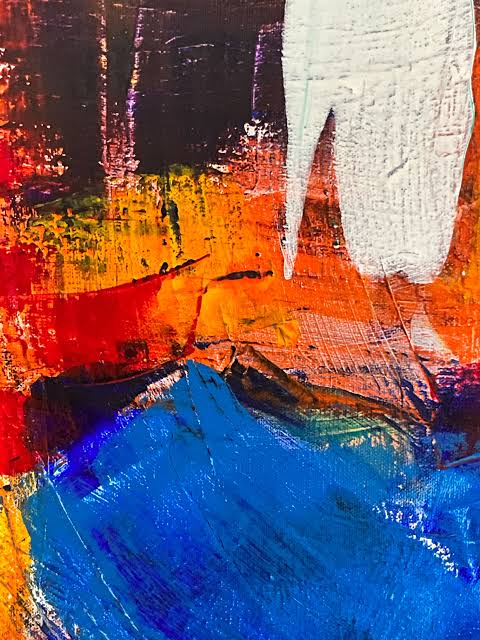

Oil paintings have remained an important form of artistic expression for centuries, combining creativity, technique, and craftsmanship. From traditional landscapes and portraits to modern abstract designs, these artworks require careful planning and skilled execution. Behind many professionally produced paintings is an organized manufacturing environment where artistic ideas are transformed into finished pieces.
An oil painting factory brings together artists, production specialists, materials, and quality control processes to create paintings for different markets and applications. Although the term factory may suggest automated production, oil painting manufacturing often relies heavily on manual techniques, artistic judgment, and attention to detail. Understanding how these facilities operate provides insight into the complete journey from an initial concept to a finished artwork.
What Is an Oil Painting Factory?
An oil painting factory is a specialized production facility where oil paintings are created, developed, finished, and prepared for distribution. These facilities may produce original artworks, hand-painted reproductions, decorative paintings, and customized designs according to customer or market requirements.
Unlike ordinary manufacturing industries, oil painting production combines artistic skills with structured workflows. Artists work with different painting techniques, brushes, pigments, canvases, and other materials to achieve specific visual effects.
Depending on the production model, a facility may focus on:
- Original hand-painted artwork.
- Reproductions of classical and contemporary paintings.
- Custom paintings based on customer designs.
- Abstract and modern decorative artwork.
- Large-scale paintings for commercial and residential interiors.
The production capacity and artistic specialization vary from one facility to another.
Understanding the Materials Used in Oil Painting Production
The quality of an oil painting depends significantly on the materials selected during production. Each component influences the artwork’s appearance, texture, durability, and overall finish.
Oil Paints and Pigments
Oil paints consist of pigments suspended in a drying oil, commonly linseed oil. These pigments provide the colors used to create different artistic compositions.
High-quality paints offer several advantages, including rich color depth, smooth blending, and excellent coverage. Artists select pigments based on the desired color palette, transparency, and visual effects.
Canvas and Painting Surfaces
Canvas is one of the most commonly used surfaces for oil paintings. Cotton and linen canvases are popular because they provide suitable textures and support for different painting techniques.
Before painting begins, the surface is usually prepared with a primer or gesso layer. This preparation helps prevent excessive oil absorption and creates a more suitable foundation for applying paint.
Brushes and Other Tools
Different brushes help artists achieve specific textures, lines, and painting effects. Common tools include:
- Flat brushes for broad strokes and smooth coverage.
- Round brushes for fine details and controlled lines.
- Filbert brushes for soft edges and blending.
- Palette knives for textured applications.
- Easels and palettes for supporting the painting process.
The selection of tools depends on the artwork’s design and the artist’s preferred technique.
The Complete Oil Painting Manufacturing Process
Producing an oil painting involves multiple stages, each contributing to the final appearance and quality. While workflows differ between facilities, most professional production environments follow a structured process.
1. Design Development and Artwork Planning
The manufacturing process begins with selecting or developing an artwork concept. This may involve original sketches, reference images, customer requirements, or existing artistic compositions.
Designers and artists determine the subject, dimensions, color combinations, and painting style before production starts. This planning stage helps establish clear creative direction and ensures that the finished painting meets the intended requirements.
2. Canvas Preparation
Once the design is approved, the painting surface is prepared. Canvas is stretched over a wooden frame or selected in a ready-made format.
The surface is then coated with an appropriate primer when necessary. Proper preparation improves paint adhesion and provides a consistent foundation for the artwork.
Artists may also lightly sand the primed surface to achieve a smoother texture, depending on the desired painting style.
3. Sketching and Composition
Before applying oil paint, artists transfer the basic composition onto the canvas. This may be done through freehand drawing, proportional measurements, tracing, or other traditional methods.
The sketch establishes the placement of major objects, proportions, perspective, and important visual elements. Accurate composition at this stage makes subsequent painting work more efficient.
4. Applying the First Paint Layers
After sketching, artists begin applying the initial layers of oil paint. These layers generally establish the background, major shapes, shadows, and overall color structure.
Some artists use an underpainting technique to create a foundation for additional layers. This approach helps organize tonal values and provides depth to the final composition.
The initial layers may appear relatively simple compared with the finished artwork, but they are essential to its overall structure.
5. Adding Details and Textures
Once the basic composition is established, artists gradually develop the finer elements of the painting. They add highlights, shadows, surface textures, and subtle color transitions.
Different brush techniques and paint consistencies are used to create realistic details or expressive visual effects.
For example, landscape paintings may require detailed treatment of trees, clouds, water, and natural lighting. Portrait paintings demand careful attention to facial proportions, skin tones, and expressions.
6. Layering and Blending Techniques
Layering is an important characteristic of traditional oil painting. Artists apply additional paint layers to improve color depth, refine details, and create complex visual effects.
Blending allows colors to transition smoothly into one another. Techniques such as glazing, scumbling, and impasto can also be used to achieve different appearances.
The choice of technique depends on the artistic style and the desired result.
7. Drying and Curing
Unlike water-based paints, oil paints generally require considerable time to dry. The drying period depends on pigment composition, paint thickness, environmental conditions, and the type of oil used.
Paintings must be placed in suitable conditions with appropriate airflow and temperature. Thickly applied paint may take significantly longer to dry than thin layers.
It is important to distinguish between surface drying and complete curing, as oil paintings can continue hardening over an extended period.
8. Finishing and Protective Coating
After sufficient drying, the painting may undergo finishing procedures. Artists or finishing specialists inspect the surface and address any remaining imperfections.
A suitable varnish may be applied once the paint has cured sufficiently according to the varnish manufacturer’s recommendations. This protective layer can enhance color appearance and help protect the painting from dust and environmental exposure.
9. Framing and Final Presentation
The finished painting may be mounted in a decorative frame or prepared as an unframed canvas. Frame selection depends on the artwork’s dimensions, style, and intended display environment.
This stage also includes checking the painting’s edges, mounting stability, and overall presentation.
10. Inspection, Packaging, and Distribution
Before leaving the production facility, each painting should undergo a final inspection. Quality specialists or experienced artists examine the finished product for visible defects and consistency with the approved design.
Paintings are then carefully packaged using suitable protective materials. Proper packaging helps reduce the risk of scratches, pressure damage, and other problems during transportation.
Quality Control in Oil Painting Manufacturing
Quality control is essential for maintaining consistent artistic standards. Even when production involves experienced artists, every finished painting should be evaluated before distribution.
Several factors are commonly considered during inspection.
Color Accuracy
Colors should match the intended design and maintain appropriate balance throughout the composition. Unwanted discoloration, uneven application, or inconsistent tones may affect the final appearance.
Surface Quality
The painting surface should be examined for cracks, unwanted marks, damaged canvas, and other visible imperfections. Texture should also be appropriate for the intended artistic technique.
Composition and Detail
The artwork should maintain balanced proportions, consistent perspective, and properly developed details. For commissioned paintings, the finished composition should also meet the agreed specifications.
Structural Durability
Canvas tension, frame stability, and mounting quality should be checked to ensure the painting can be displayed safely.
A systematic inspection process helps identify problems before packaging and delivery.
The Role of Skilled Artists in Factory Production
Although organized production systems help manage large numbers of paintings, human creativity remains central to oil painting manufacturing.
Professional artists contribute their knowledge of color theory, composition, perspective, brushwork, and traditional painting techniques. Their experience allows them to interpret designs and create visual depth that cannot be achieved through simple mechanical processes.
Different production facilities may employ specialized artists for portraits, landscapes, abstract paintings, and classical reproductions.
Teamwork is also important. Designers, painters, finishing specialists, and quality inspectors coordinate their responsibilities to maintain an efficient workflow without compromising artistic standards.
Modern Technology in Oil Painting Factories
Technology has gradually influenced how oil painting facilities organize their operations. Although traditional hand-painting techniques remain important, digital tools can support several stages of production.
For example, digital design software helps artists develop compositions, adjust colors, and prepare visual references. High-resolution images can also be used to study artistic details before painting begins.
Other useful technologies include:
- Digital inventory systems for tracking materials.
- Computerized order management for organizing customer requirements.
- Photography equipment for documenting finished artwork.
- Quality management software for recording inspection results.
- Packaging equipment for improving handling efficiency.
These technologies improve organization and communication while allowing artists to focus on the creative aspects of production.
Environmental Considerations in Oil Painting Manufacturing
Oil painting production involves materials and processes that require responsible handling. Some pigments and solvents may contain substances that need careful storage and disposal.
Factories can improve environmental practices by selecting safer materials where suitable, maintaining proper ventilation, and following chemical handling guidelines.
Additional measures include:
- Using reusable or recyclable packaging materials.
- Reducing unnecessary paint and canvas waste.
- Storing solvents in appropriate containers.
- Following local regulations for chemical disposal.
- Maintaining clean and properly ventilated workspaces.
Responsible material management supports a safer working environment and reduces the environmental impact of production.
Common Challenges Faced by Oil Painting Factories
Oil painting manufacturing involves several challenges because artistic quality and production efficiency must be maintained together.
Long Drying Times
Oil paintings cannot always be completed within short production schedules. Drying requirements may affect order planning, storage space, and delivery timelines.
Maintaining Consistent Quality
Different artists may have different techniques and levels of experience. Maintaining consistent standards requires clear design specifications, skilled supervision, and effective quality inspections.
Material Selection and Availability
Pigment quality, canvas availability, and changing material costs can influence production schedules. Reliable sourcing and inventory management help reduce these difficulties.
Balancing Customization and Production Efficiency
Custom paintings often require individual attention and adjustments. Factories must organize their workflows carefully to accommodate unique customer requirements without creating unnecessary delays.
How to Evaluate an Oil Painting Factory
Choosing an appropriate production facility requires more than comparing prices or production capacity. Buyers, retailers, and interior design businesses should consider several important factors.
- Artistic experience: Review the artists’ skills and previous painting projects.
- Product range: Check whether the facility produces the painting styles and sizes you need.
- Material quality: Ask about the paints, canvas, frames, and finishing materials used.
- Customization options: Determine whether custom subjects, dimensions, and color schemes are available.
- Quality control: Understand how paintings are inspected before delivery.
- Production capacity: Confirm whether the facility can manage the required order volume.
- Packaging standards: Check how finished paintings are protected during transportation.
Reviewing these aspects helps buyers make informed decisions and establish more reliable business relationships.
Future Trends in Oil Painting Manufacturing
The oil painting industry continues to evolve as consumer preferences, interior design trends, and production technologies change.
Personalized artwork is becoming an important part of the decorative art market. Customers increasingly seek paintings that reflect their preferred colors, subjects, and interior styles.
Other developments may include greater use of digital design tools, environmentally responsible materials, improved packaging solutions, and more efficient order management systems.
At the same time, traditional hand-painted techniques are likely to remain valuable because of their distinctive textures, artistic interpretation, and craftsmanship.
Factories that combine skilled artistry with organized production practices can adapt more effectively to changing market expectations.
Conclusion
An oil painting factory is more than a place where paintings are produced. It is an organized creative environment that brings together artistic knowledge, specialized materials, careful planning, and quality management.
From initial design development and canvas preparation to painting, drying, finishing, and packaging, every stage contributes to the final artwork. Skilled artists remain essential throughout this process, while modern technologies help improve organization and production efficiency.
Understanding how oil painting manufacturing works allows buyers, retailers, and art enthusiasts to recognize the effort and expertise involved in creating quality paintings. As the industry develops, the combination of traditional craftsmanship and modern production methods will continue to shape the future of decorative oil artwork.