


Choosing the right plastic material requires more than simply looking at its appearance or price. Physical characteristics such as thickness, flexibility, and durability determine how well a material performs under different working conditions. These factors are particularly important in packaging, construction, manufacturing, and industrial applications where materials must provide reliable performance over time.
Among the commonly used transparent plastic materials, Transparent PVC Film stands out because its physical properties can be adjusted to meet different application requirements. Manufacturers can produce various grades with different thicknesses, hardness levels, and mechanical characteristics. Understanding these properties helps businesses select suitable materials and avoid unnecessary performance issues.
What Is Transparent PVC Film?
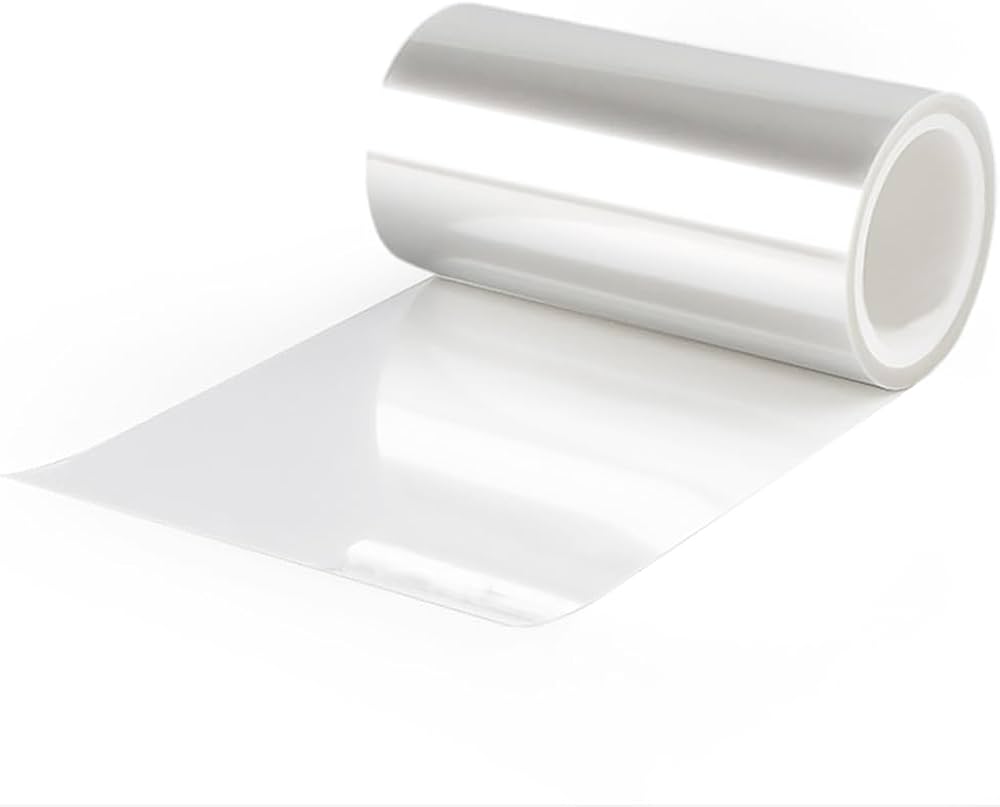
Transparent PVC film is a clear plastic sheet made from polyvinyl chloride, a thermoplastic polymer widely used in commercial and industrial manufacturing.
It is available in flexible, semi-rigid, and rigid forms depending on its formulation and production process. Plasticizers and other additives can be incorporated to modify its softness, strength, transparency, and resistance to environmental conditions.
Because of its adaptable properties, PVC film is used in applications such as:
- Protective packaging and product covers
- Retail display packaging
- Industrial curtains and partitions
- Furniture and surface protection
- Greenhouse and agricultural coverings
- Flexible windows and protective enclosures
Three important characteristics influence its performance across these applications: thickness, flexibility, and durability.
1. Understanding the Thickness of Transparent PVC Film
Thickness is one of the most important specifications when selecting PVC film. It affects the material’s weight, flexibility, mechanical strength, and suitability for different applications.
PVC film is manufactured in various thicknesses, allowing businesses to choose products according to their specific requirements.
How Thickness Affects Performance
Thicker PVC film generally provides greater resistance to punctures, physical handling, and deformation. It may also offer better structural support in applications where the material needs to maintain its shape.
Thinner film, on the other hand, is usually lighter and easier to bend or wrap around products. It can be useful for lightweight packaging and applications where flexibility is more important than structural strength.
However, thickness alone does not determine overall performance. Formulation, manufacturing quality, and the type of mechanical stress also influence the material’s behavior.
Common Applications Based on Thickness
Different applications require different thickness specifications.
| Application | General Thickness Consideration |
|---|---|
| Lightweight product packaging | Thin film |
| Retail packaging covers | Thin to medium film |
| Flexible protective covers | Medium film |
| Industrial strip curtains | Medium to thick film |
| Heavy-duty protective applications | Thicker film |
These are general categories rather than fixed specifications. The actual thickness should be selected according to the product design and expected operating conditions.
How to Choose the Correct Thickness
Before purchasing PVC film, consider the following factors:
- The size and weight of the product being covered.
- The level of physical handling expected.
- Whether the material needs to bend or maintain its shape.
- The possibility of punctures, abrasion, or stretching.
- The required service life.
Selecting an appropriate thickness helps maintain a balance between material performance and overall cost.
2. Understanding the Flexibility of Transparent PVC Film
Flexibility describes how easily a material bends or changes shape without cracking or losing its intended function.
PVC film is particularly useful because its flexibility can be adjusted during manufacturing. This allows it to serve applications that require anything from soft, easily bendable material to relatively rigid transparent sheets.
Factors That Influence Flexibility
Several factors determine how flexible a PVC film will be.
Plasticizer content: Plasticizers are commonly added to flexible PVC formulations to increase softness and reduce stiffness. Different plasticizer levels can produce different flexibility characteristics.
Thickness: Thinner films are generally easier to bend than thicker films made from the same formulation.
Temperature: PVC flexibility can change with temperature. Cold conditions may make certain formulations stiffer, while excessive heat can affect dimensional stability and mechanical performance.
Material formulation: Additives, polymer composition, and manufacturing conditions can influence the film’s bending and stretching behavior.
Flexible PVC Film vs. Rigid PVC Film
Flexible and rigid PVC products serve different purposes.
| Characteristic | Flexible PVC Film | Rigid PVC Material |
|---|---|---|
| Bending ability | High | Low |
| Softness | Higher | Lower |
| Typical applications | Curtains, covers, packaging | Panels, formed components |
| Plasticizer content | Usually higher | Usually low or absent |
| Shape adaptability | Excellent | More limited |
Flexible grades are generally suitable for applications involving repeated bending or wrapping, while rigid grades are more appropriate when dimensional stability is important.
Why Flexibility Matters in Commercial Applications
Flexibility allows PVC film to adapt to different shapes and product dimensions. This is useful in packaging operations where materials need to wrap around products or form customized protective coverings.
In industrial environments, flexible PVC film can also be used in strip curtains and partitions that allow people and equipment to pass through while maintaining a physical separation between areas.
3. Understanding the Durability of Transparent PVC Film
Durability refers to a material’s ability to maintain its physical and functional properties during normal use.
For PVC film, durability depends on several characteristics, including tensile strength, tear resistance, abrasion resistance, environmental exposure, and formulation quality.
Mechanical Strength
PVC film can provide useful resistance to everyday handling, bending, and moderate mechanical stress.
Its mechanical performance varies according to thickness and formulation. Applications involving heavy loads or repeated physical contact should use grades designed for those conditions.
Tear and Puncture Resistance
Tear resistance determines how well the film withstands the spread of an existing cut or small damage. Puncture resistance describes its ability to withstand localized penetration.
Thicker films may provide greater protection, but the overall result also depends on material composition and manufacturing quality.
This is particularly important for packaging products with sharp edges or industrial applications involving frequent handling.
Abrasion Resistance
Abrasion occurs when a material repeatedly rubs against another surface.
In packaging and industrial environments, friction can gradually affect the appearance and integrity of PVC film.
Selecting an appropriate surface finish and thickness can help improve performance where repeated contact is expected.
Weather and UV Resistance
Outdoor applications expose plastic materials to sunlight, changing temperatures, humidity, and other environmental conditions.
Standard PVC film may deteriorate or discolor under prolonged UV exposure. For outdoor applications, businesses should consider grades specifically formulated for improved UV and weather resistance.
Chemical Resistance
PVC generally offers resistance to various acids, alkalis, and salts. However, compatibility depends on the formulation and the chemical involved.
Exposure to certain solvents, oils, and aggressive substances may damage the film. Always verify chemical compatibility before using it in industrial environments.
4. How Thickness, Flexibility, and Durability Work Together
These three characteristics should not be evaluated separately when selecting PVC film.
A material may be thick but relatively rigid, while another may be thinner and more flexible. Similarly, a highly flexible formulation may behave differently under prolonged mechanical stress than a less flexible alternative.
The relationship between these properties can be understood through practical examples.
Packaging Applications
Packaging often requires a balance between flexibility and physical protection.
Thin or medium-thickness PVC film may be suitable for wrapping and retail covers because it can adapt to product shapes without adding excessive weight.
Industrial Curtains
Industrial strip curtains need sufficient flexibility to move when people or equipment pass through them. At the same time, they must withstand repeated contact and everyday handling.
The correct thickness and formulation help balance movement, visibility, and durability.
Protective Covers
Protective covers may require greater resistance to tearing, punctures, and surface wear.
A thicker grade can be useful in these situations, provided it remains flexible enough for installation and handling.
5. Factors That Affect the Long-Term Performance of PVC Film
Even high-quality PVC film can experience changes in performance if it is exposed to unsuitable conditions.
Several factors influence its service life.
Temperature fluctuations: Repeated exposure to extreme temperatures can affect flexibility and dimensional stability.
Sunlight exposure: UV radiation can contribute to discoloration and material deterioration.
Mechanical stress: Excessive stretching, sharp edges, and repeated friction can cause damage.
Chemical contact: Incompatible cleaning agents, solvents, and industrial substances may affect the film’s surface and structure.
Storage conditions: Excessive heat, direct sunlight, and improper stacking can cause deformation or premature aging.
Understanding these factors helps businesses maintain material quality and reduce unnecessary replacement expenses.
6. How to Test the Quality of Transparent PVC Film
Before purchasing large quantities, businesses should evaluate samples to determine whether the material meets their requirements.
Some useful quality checks include:
Thickness Measurement
Use a suitable thickness gauge or micrometer to check whether the film meets the manufacturer’s stated specifications.
Measurements at multiple points can help identify thickness variations.
Flexibility Testing
Bend the sample under controlled conditions to evaluate whether it can achieve the required shape without cracking or developing visible damage.
Tensile and Tear Testing
Mechanical testing can help determine how much force the material withstands before stretching, breaking, or tearing.
For consistent results, use standardized testing procedures.
Visual Inspection
Examine the film for cloudiness, bubbles, scratches, uneven surfaces, and other visible defects.
Consistent transparency and surface quality are particularly important for retail and display applications.
Environmental Testing
If the film will be used outdoors or in demanding industrial conditions, evaluate its performance under representative temperature, UV, humidity, and chemical exposure conditions.
Testing should reflect the actual operating environment rather than relying only on general product descriptions.
7. Tips for Maintaining PVC Film Quality
Proper storage and handling can help preserve the film’s appearance and functional properties.
Follow these recommendations:
- Store PVC film in a clean, dry environment.
- Keep it away from prolonged direct sunlight unless it is designed for outdoor exposure.
- Avoid storing rolls near heat sources.
- Protect the material from sharp objects and abrasive surfaces.
- Use mild cleaning solutions and soft cloths when cleaning.
- Avoid excessive bending or stretching beyond the manufacturer’s recommendations.
- Follow the supplier’s storage temperature and handling guidelines.
Regular inspection is also useful for identifying early signs of damage in industrial installations and reusable protective coverings.
8. Choosing the Right PVC Film for Your Application
The ideal material depends on the specific requirements of the business or project.
Before selecting a grade, ask the following questions:
- What thickness is necessary for the intended application?
- How much flexibility does the product require?
- Will the film experience repeated bending or physical contact?
- Is resistance to sunlight or changing temperatures important?
- Will the material come into contact with chemicals?
- What level of transparency is required?
- Does the supplier provide reliable technical specifications?
Comparing these requirements with available product grades makes material selection more accurate.
It is also advisable to request technical data sheets and samples before placing bulk orders. This helps verify that the selected film meets the necessary performance expectations.
Conclusion
Thickness, flexibility, and durability are three essential characteristics that determine how transparent PVC film performs in different commercial and industrial applications. Thickness influences physical strength and handling, flexibility determines how easily the material adapts to different shapes, and durability affects its ability to withstand everyday wear and environmental exposure.
The relationship between these properties is important when selecting a suitable grade. A packaging application may require a lightweight and flexible film, while an industrial protective covering may need greater thickness and resistance to physical damage.
By evaluating technical specifications, testing samples, and considering actual operating conditions, businesses can choose PVC film that provides the right balance of performance, practicality, and long-term value.