


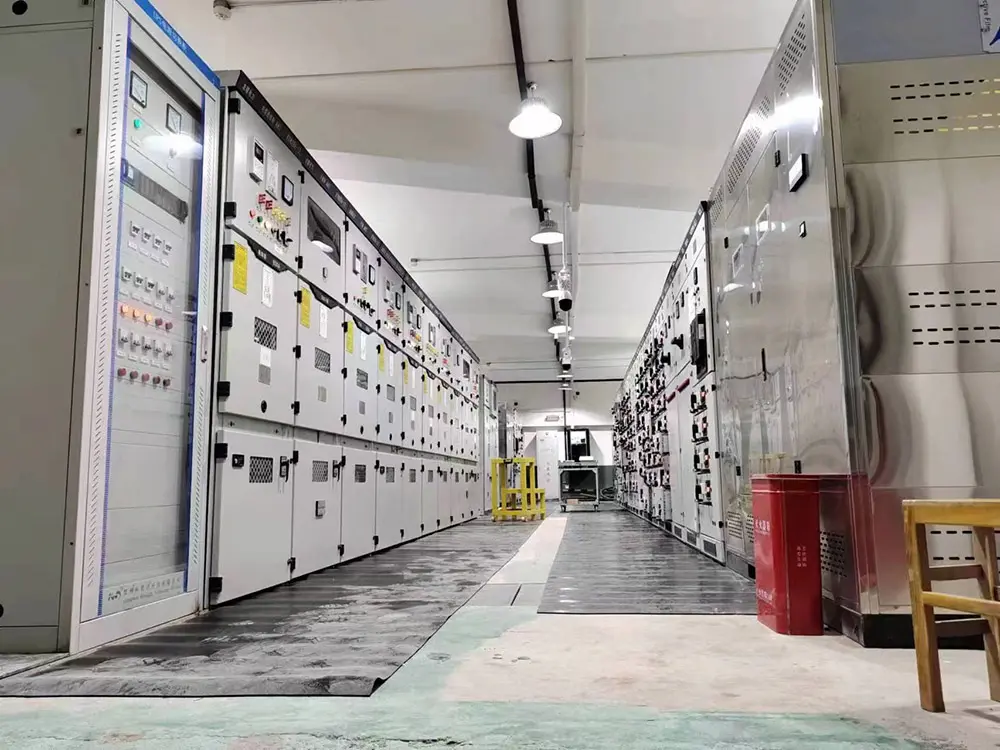
Transformers are essential components of modern electrical infrastructure, supporting power distribution across manufacturing facilities, commercial buildings, utility networks, and renewable energy installations. As global demand for electrical equipment continues to grow, many project developers and procurement teams consider manufacturers in China for a wide range of transformer solutions. However, choosing the right equipment requires more than comparing prices and delivery times.
When evaluating a China Transformer, buyers should assess technical specifications, manufacturing quality, applicable standards, operating conditions, and after-sales support. A thorough evaluation helps ensure that the selected transformer meets project requirements, operates reliably, and provides long-term value in industrial and utility applications.
Understanding Transformer Requirements Before Purchasing
The first step in transformer procurement is identifying the electrical requirements of the intended installation. Transformers are available in various ratings, configurations, and designs, and the most suitable option depends on the system in which the equipment will operate.
Industrial facilities may require transformers to supply motors, production machinery, processing equipment, or internal distribution networks. Utilities, meanwhile, often need equipment designed for distribution substations, grid infrastructure, or higher-capacity power transmission applications.
Before requesting quotations, buyers should establish the required power rating, primary and secondary voltages, frequency, phase configuration, installation environment, and expected load profile. These details help manufacturers recommend equipment that is technically suitable rather than simply offering a standard model.
Types of Transformers Available for Industrial and Utility Projects
Understanding the main transformer categories makes it easier to compare equipment options and identify the right design.
Power Transformers
Power transformers are commonly used in generation facilities, transmission substations, and large industrial installations. They transfer electrical energy between voltage levels and are designed for applications involving substantial power capacity.
When evaluating a power transformer, buyers should consider voltage ratio, rated capacity, impedance, cooling method, insulation system, and short-circuit withstand capability. These characteristics influence system compatibility, operating performance, and service life.
Distribution Transformers
Distribution transformers reduce electrical voltage to levels suitable for local distribution and end-user consumption. They are widely used in residential networks, commercial developments, factories, and rural electrification projects.
Selection criteria include rated capacity, no-load losses, load losses, temperature rise, and installation requirements. Correct sizing helps maintain reliable operation while avoiding unnecessary energy losses and excessive initial costs.
Oil-Immersed Transformers
Oil-immersed transformers use insulating liquid for cooling and electrical insulation. They are commonly applied in outdoor substations, utility networks, and industrial power systems.
Buyers should evaluate the insulating liquid, cooling arrangement, tank construction, sealing system, protection accessories, and maintenance requirements. The suitability of the design also depends on fire safety requirements and environmental conditions at the installation site.
Dry-Type Transformers
Dry-type transformers use air and solid insulation rather than insulating oil. They may be suitable for indoor installations, commercial buildings, industrial facilities, and locations where liquid-insulation management is less desirable.
Important considerations include ventilation, enclosure protection, insulation class, noise levels, and the surrounding temperature. Proper installation is necessary to maintain cooling performance and prevent overheating.
Key Factors to Consider When Buying a Transformer from China
Purchasing electrical equipment internationally requires a structured assessment of both technical performance and supplier capability.
1. Verify Technical Specifications
A transformer must match the electrical requirements of the system it will serve. Buyers should review the technical datasheet carefully and confirm that all specified ratings align with the project design.
Important parameters include:
- Rated power capacity in kVA or MVA.
- Primary and secondary voltage ratings.
- System frequency and phase configuration.
- Vector group and winding connections.
- Impedance and short-circuit withstand requirements.
- Cooling method and insulation system.
- No-load and load-loss guarantees.
- Temperature-rise limits and insulation levels.
Any deviations from the original specification should be documented and approved by the responsible project engineer before an order is placed.
2. Assess Manufacturing Quality
Manufacturing quality directly affects transformer reliability and long-term performance. Consistent production processes, suitable raw materials, controlled assembly procedures, and thorough inspection all contribute to dependable equipment.
Buyers should request information about the manufacturer’s production facilities, quality management procedures, component traceability, and inspection arrangements. Where practical, a factory audit or independent inspection can provide additional confidence.
Particular attention should be given to core construction, winding quality, insulation materials, tank fabrication, electrical connections, and the integrity of protective accessories.
3. Check Compliance with Applicable Standards
International transformer projects may specify standards published by the International Electrotechnical Commission (IEC), the Institute of Electrical and Electronics Engineers (IEEE), or other recognized organizations.
Relevant IEC standards may include IEC 60076 for power transformers, with the applicable part depending on the equipment type and requirements. Additional standards or national regulations may apply to energy efficiency, safety, installation, and environmental performance.
Buyers should verify that the proposed transformer meets the exact standards required by the destination country, utility, or project contract. A general statement of compliance should not replace supporting technical documentation and appropriate test records.
4. Review Efficiency and Energy Losses
Transformer efficiency is an important consideration because equipment may remain energized for many years. Even relatively small differences in losses can have a meaningful financial impact over the operating life of a large installation.
Two major loss categories should be considered:
- No-load losses: Occur when the transformer is energized, even when it supplies little or no load.
- Load losses: Increase with electrical loading and are primarily associated with winding resistance and related effects.
Comparing guaranteed loss values can help buyers evaluate the total cost of ownership rather than focusing only on the initial purchase price. The financial assessment should consider expected loading, annual operating hours, electricity costs, and the intended service life.
5. Evaluate Supplier Experience and Reliability
Not all manufacturers specialize in the same transformer categories or capacity ranges. A supplier with experience in distribution transformers may not necessarily have the expertise or production capability required for a large power transformer project.
Before selecting a manufacturer, review relevant project references, product portfolios, engineering capabilities, export experience, and quality documentation. It is also useful to determine whether the supplier can support customization, inspection, commissioning, and technical troubleshooting.
Clear communication during the quotation and design stages is a useful indicator of how effectively technical issues may be handled later.
Understanding Transformer Testing and Certification
Testing helps verify that a transformer meets its specified electrical and mechanical requirements. Buyers should establish the required tests and documentation before manufacturing begins.
Routine Tests
Routine tests are generally performed on individual transformers as required by the applicable standards and contract. They commonly include winding resistance measurements, voltage-ratio verification, polarity or phase-relation checks, impedance and load-loss measurements, and no-load loss and current measurements.
The precise test scope depends on the transformer type and governing standard.
Type Tests and Special Tests
Type tests demonstrate specified performance characteristics of a design, while special tests may be agreed upon to address particular project requirements.
Depending on the application, these may involve temperature-rise tests, dielectric tests, sound-level measurements, or other specified evaluations. Buyers should confirm whether reports relate to the exact design being supplied and whether any design changes affect their relevance.
Factory Acceptance Testing
Factory acceptance testing provides an opportunity to review the completed transformer before shipment. It may include witness testing, inspection of accessories, verification of nameplate details, and review of test results.
The inspection plan should identify the tests to be performed, acceptance criteria, documentation requirements, and responsibilities of the manufacturer and purchaser. For critical projects, independent inspection can offer an additional level of verification.
Comparing Price with Total Cost of Ownership
The purchase price is an important part of procurement, but it should not be the only factor in the final decision. A lower-priced transformer may have higher losses, more demanding maintenance requirements, or limited technical support.
A comprehensive cost assessment should include:
- Initial equipment price and customization costs.
- Transportation, insurance, customs duties, and applicable taxes.
- Installation, testing, and commissioning expenses.
- Expected energy losses over the operating life.
- Preventive maintenance and spare parts costs.
- Warranty coverage and potential downtime expenses.
Comparing quotations on the same technical basis helps avoid misleading price differences. Buyers should ensure that each supplier has included equivalent ratings, accessories, testing, documentation, and delivery conditions.
Shipping, Delivery, and Import Considerations
International transformer procurement requires careful logistical planning. Large transformers may need specialized lifting equipment, reinforced transport arrangements, or route assessments because of their weight and dimensions.
Before confirming an order, buyers should establish the manufacturing lead time, packaging method, shipping terms, insurance arrangements, and expected delivery schedule. Customs documentation and import requirements should also be checked for the destination market.
For oil-immersed transformers, transportation and storage procedures should account for the manufacturer’s instructions regarding insulating liquid, sealing, moisture protection, and handling. Upon arrival, the equipment should be inspected for shipping damage before installation or acceptance.
A clearly defined delivery and inspection plan can reduce delays and help resolve discrepancies before they affect project schedules.
Warranty and After-Sales Support
Transformer reliability depends partly on the quality of the equipment and partly on the support available throughout its service life. Buyers should examine warranty conditions carefully and understand which defects, components, and expenses are covered.
Important questions include the warranty duration, claim procedure, availability of replacement parts, response times for technical inquiries, and access to qualified service personnel. It is also useful to confirm whether installation guidance, operating manuals, and maintenance recommendations are provided in a language understood by the project team.
For utility and industrial applications, the ability to obtain timely technical assistance can be especially important because equipment failure may interrupt production or affect a wider electricity network.
Common Mistakes to Avoid During Transformer Procurement
Several procurement mistakes can create unnecessary costs or operational problems.
Choosing equipment based on price alone may lead to higher lifetime losses or insufficient technical support. Buyers should compare the guaranteed performance and full scope of supply rather than relying solely on the quotation total.
Overlooking site conditions can result in unsuitable cooling arrangements, enclosure protection, or insulation selection. Temperature, humidity, altitude, contamination, and installation location should be considered during the design stage.
Accepting incomplete test documentation makes it difficult to verify whether the supplied equipment meets contractual requirements. Test procedures, acceptance criteria, and required records should be agreed upon in advance.
Failing to define responsibilities can create disputes over transportation damage, installation, commissioning, warranty coverage, and inspection costs. These responsibilities should be clearly stated in the purchase contract.
Avoiding these issues requires early coordination between procurement teams, electrical engineers, suppliers, and the project owner.
Conclusion
Buying a transformer from China for industrial or utility use requires careful attention to technical specifications, manufacturing quality, applicable standards, efficiency, and supplier reliability. International procurement can provide access to a broad range of equipment options, but each proposed transformer must be evaluated against the project’s actual operating and regulatory requirements.
By comparing guaranteed losses, verifying test documentation, assessing logistics, and reviewing after-sales support, buyers can make more informed purchasing decisions. A structured procurement process helps ensure that the selected transformer delivers reliable performance, meets project expectations, and provides long-term value throughout its operating life.