


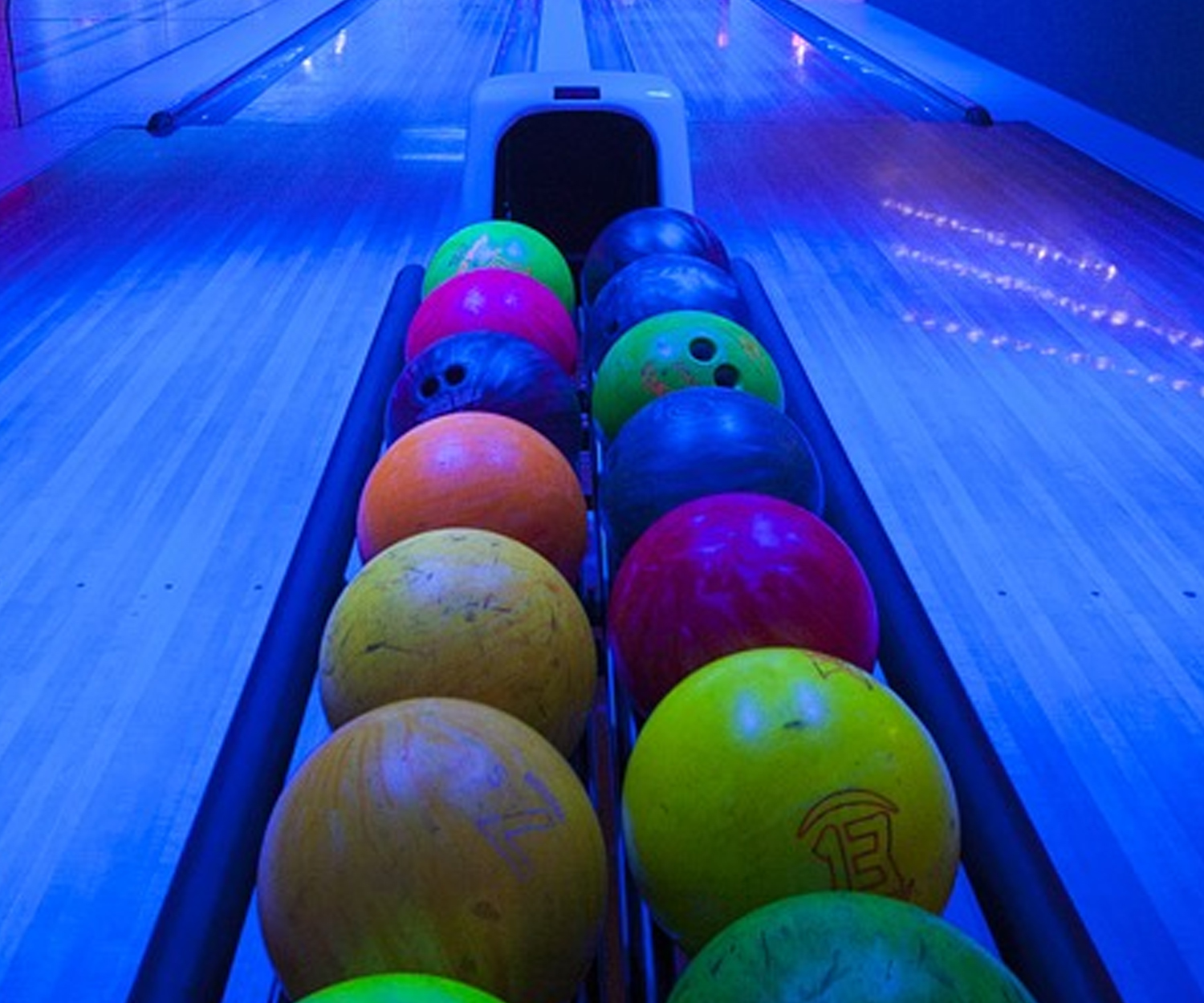
Bowling lanes in commercial facilities are exposed to repeated activity, regular cleaning, equipment interaction, and everyday foot traffic. Designing a lane system for this environment requires attention to materials, construction methods, dimensional stability, and maintenance requirements.
A knowledgeable Synthetic Bowling Lane Manufacturer considers these factors throughout the product development and manufacturing process. Durable lane design is not based on one material alone; it involves how different components work together under appropriate installation, operating, and maintenance conditions.
Selecting Materials for Repeated Use
Material selection is one of the first considerations in developing a durable synthetic lane.
Manufacturers evaluate materials based on characteristics relevant to bowling environments, such as surface stability, resistance to routine wear, dimensional behavior, and compatibility with cleaning procedures.
The specific materials and construction methods can vary between lane systems.
Building a Layered Lane Structure
Many synthetic lane systems use multiple layers or components rather than relying on a single material.
The playing surface can be combined with backing or support materials that provide structural stability. Each layer has a defined role within the complete system.
Designing for Dimensional Stability
A bowling lane needs to retain its intended shape and dimensions during normal operation.
Manufacturers consider how materials respond to environmental conditions and repeated use. Appropriate construction can help minimize unwanted movement, warping, or dimensional changes.
Maintaining Surface Uniformity
A durable lane also needs a consistent surface.
Manufacturing processes are controlled to produce components with defined thicknesses, finishes, markings, and dimensions. Inspection procedures can help identify variations before the products are shipped.
Controlling Manufacturing Tolerances
Precision is important when producing components for a multi-lane bowling center.
Manufacturers establish dimensional tolerances for relevant components and use measurement procedures to verify production accuracy. Consistent tolerances can support easier assembly and alignment during installation.
Strengthening High-Use Components
Different parts of a bowling lane can experience different types of contact and wear.
Manufacturers need to consider the requirements of the playing surface, approach, edges, joints, gutters, and pin deck area. Selecting suitable materials and construction methods for each component can support overall system durability.
Designing Reliable Joints
A lane may contain several sections that need to be connected during installation.
Joint design is therefore an important part of durability. Components should be manufactured to fit together accurately, while approved joining methods help maintain the integrity of the finished system.
Using Compatible Adhesives
Adhesives can play an important role in some synthetic lane installations.
The selected adhesive needs to be compatible with the materials and appropriate for the expected environmental conditions. Manufacturers may specify particular products and application procedures to support reliable bonding.
Considering Subfloor Support
The durability of a synthetic lane depends partly on the surface beneath it.
Manufacturers establish requirements for the supporting substrate, including factors such as levelness, stability, and moisture conditions. These requirements help ensure that the lane is installed on a suitable foundation.
Protecting Against Environmental Factors
Synthetic materials can respond differently to temperature and humidity changes.
Manufacturers consider environmental conditions when selecting materials and designing the lane system. They may also provide specific storage and installation requirements to protect components before they become part of the completed installation.
Designing for Routine Cleaning
Commercial bowling lanes need to be cleaned regularly.
Durable lane systems should be compatible with appropriate cleaning procedures. Manufacturers can provide guidance on suitable cleaning products, equipment, and techniques to help operators maintain the surface without unnecessary damage.
Minimizing Maintenance Complexity
Practical maintenance is another consideration in lane design.
Manufacturers can design components so that routine cleaning and inspections can be carried out without unnecessary disruption. Clear maintenance instructions also help operators protect the lane over time.
Planning for Component Replacement
Durability does not mean that every component will last indefinitely.
A practical lane system should account for the possibility of localized damage or eventual component replacement. Manufacturers may provide replaceable sections, edge components, hardware, or other parts to support long-term maintenance.
Protecting Finished Surfaces During Shipping
The manufacturing process continues through packaging and transportation.
Synthetic lane components need to be packaged and handled carefully to reduce the possibility of scratches, deformation, edge damage, or contamination before installation.
Quality Control Throughout Production
Durable design depends on consistent manufacturing.
Quality-control procedures may include:
- Raw material inspection
- Dimensional measurement
- Surface inspection
- Thickness verification
- Edge checks
- Marking verification
- Final product inspection
- Packaging checks
These controls help manufacturers identify potential defects before products reach the installation site.
Testing Material and Component Performance
Manufacturers may evaluate materials and finished components against defined product requirements.
Depending on the lane system, testing can examine physical properties, dimensions, surface characteristics, or other relevant factors. The purpose is to verify that components meet established specifications.
Designing for Equipment Integration
Synthetic lanes operate alongside other bowling equipment.
The lane system needs to accommodate pinsetters, string pinsetters, ball returns, gutters, scoring systems, and related components. Proper dimensional coordination can help prevent mechanical or installation issues.
Considering String Pinsetter Installations
String pinsetters have particular requirements around the pin deck and associated lane areas.
When a bowling center uses this type of equipment, the lane manufacturer and equipment installer should coordinate technical specifications. Proper integration can help maintain the intended relationship between the lane and pinsetting system.
Supporting Consistent Installation
A durable product can still be compromised by poor installation.
Manufacturers therefore provide installation drawings, technical specifications, joining instructions, alignment procedures, and substrate requirements. Clear documentation helps installers reproduce the intended construction at the facility.
Designing for Long-Term Maintenance
Manufacturers can consider maintenance requirements during product development.
This includes selecting materials that are suitable for recommended cleaning procedures, designing accessible components where appropriate, and providing clear guidance for inspections and repairs.
Providing Technical Documentation
Documentation is an important part of managing a lane system after installation.
Useful documents may cover:
- Product construction
- Material specifications
- Installation procedures
- Storage requirements
- Cleaning methods
- Maintenance schedules
- Repair procedures
- Replacement components
- Warranty terms
Keeping this information available can help facility operators follow the correct procedures throughout the lane’s service life.
Matching Design to Commercial Usage
A bowling center’s operating conditions should be considered when selecting a lane system.
Facilities with long operating hours and high lane usage may have different maintenance requirements from smaller installations. Manufacturers can provide information about intended applications and operating conditions to help buyers evaluate suitability.
Importance of Proper Maintenance
Even a well-designed lane system requires appropriate care.
Regular cleaning, inspections, equipment maintenance, and timely repairs can help preserve the condition of the materials. Operators should follow the manufacturer’s recommendations rather than assuming that all synthetic surfaces require the same treatment.
Questions to Ask About Durability
Before selecting a synthetic lane system, buyers can ask:
- Which materials are used in the lane construction?
- How is the surface designed for repeated use?
- What dimensional tolerances are maintained?
- How are joints constructed?
- What subfloor conditions are required?
- Which cleaning products are approved?
- What environmental conditions should be maintained?
- Which components can be repaired or replaced?
- What quality-control checks are performed?
- What technical support is available after installation?
These questions can help buyers understand the design and maintenance requirements of the complete system.
Conclusion
Durable synthetic bowling lane systems are developed through a combination of suitable materials, layered construction, dimensional control, reliable joints, environmental considerations, quality assurance, and equipment compatibility. Installation and maintenance are equally important because even a well-manufactured lane depends on proper site preparation and ongoing care.
When evaluating synthetic lanes, bowling center owners should consider the entire system rather than focusing on a single durability claim. Reviewing technical specifications, manufacturing controls, installation requirements, and maintenance guidance can provide a clearer understanding of how the lane is designed for long-term commercial use.