


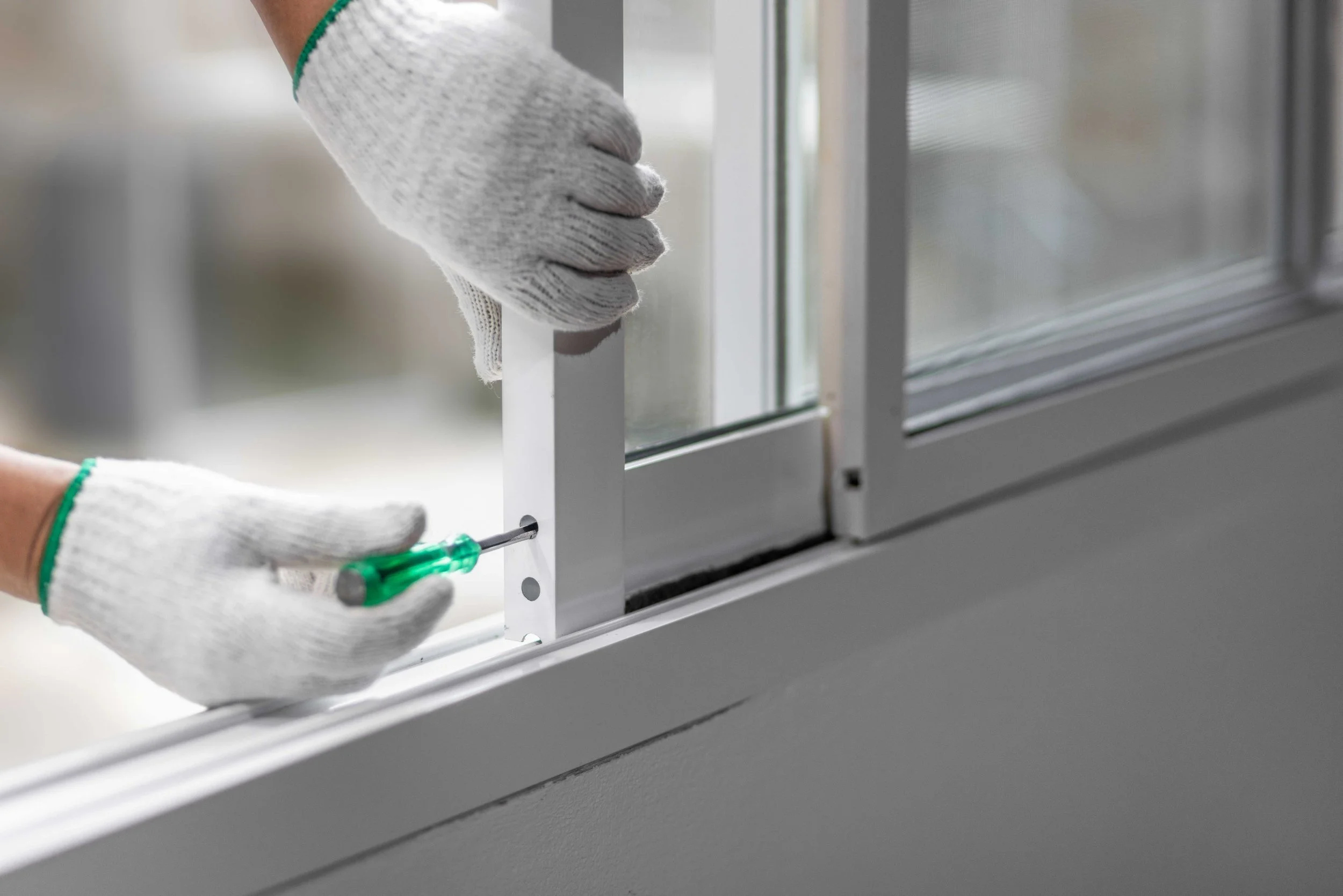
Windows are exposed to daily use, changing weather, moisture, and temperature fluctuations. Over time, these factors can contribute to problems that affect how windows operate, their appearance, and their ability to keep a home comfortable.
For homeowners researching Window Repairs Worthing, recognising common problems can make it easier to decide when professional attention may be appropriate. Some issues are relatively minor, while others can indicate deterioration that should not be ignored.
Draughts Around the Window
Draughts are among the most noticeable signs that a window may need attention. They can develop when seals deteriorate, frames become damaged, or gaps appear around the installation.
Unwanted air movement can make rooms feel colder and may also affect energy efficiency. Checking the seals and surrounding areas can help identify where the problem is originating.
Difficulties Opening or Closing
A window that becomes stiff, difficult to open, or impossible to close properly may have an issue with its hinges, handles, locks, or frame alignment.
In some cases, components may simply require adjustment. However, persistent problems can indicate wear or movement within the frame that needs further assessment.
Damaged or Worn Seals
Window seals play an important role in limiting air and moisture movement. Over time, seals can become brittle, compressed, or damaged through repeated use and exposure to weather.
Replacing worn seals may help restore the window’s performance without requiring complete replacement. The appropriate repair depends on the type and condition of the existing seal.
Condensation Between Glass Panes
Condensation appearing between the panes of a double-glazed unit can indicate a failed sealed unit. This differs from ordinary condensation on the room-facing surface of the glass.
When the sealed unit loses its integrity, moisture can enter the space between the panes. In many cases, replacing the affected glazing unit can address the issue while allowing the existing frame to remain in place.
Broken or Cracked Glass
Cracked, chipped, or broken glazing can create safety and security concerns. Even smaller cracks may become worse as the glass is exposed to temperature changes or movement.
The appropriate repair depends on the type of glazing and extent of the damage. Damaged glass should be assessed carefully rather than being left untreated.
Faulty Handles and Locks
Handles and locking mechanisms are frequently used, so they can eventually become worn or damaged. A loose handle, stiff lock, or mechanism that fails to engage properly can affect both usability and security.
In some situations, individual components can be replaced. It is useful to ensure that replacement hardware is compatible with the existing window system.
Water Ingress
Moisture appearing around a window can have several possible causes. Failed seals, damaged frames, blocked drainage channels, or problems around the external perimeter may all contribute.
Water ingress should be investigated rather than simply covered with additional sealant. Identifying the source is important for preventing continued moisture exposure and potential damage to surrounding materials.
Damaged Window Frames
Frames can deteriorate for different reasons depending on their material and age. Timber may be affected by moisture or decay, while uPVC frames can develop cracks or damaged sections.
The extent of the damage determines whether a repair is practical. Minor problems may be addressed with replacement components, while more extensive deterioration may require a different solution.
Noisy or Loose Windows
Unexpected movement, rattling, or increased outside noise can indicate that a window is no longer sealing or closing correctly. Loose hardware, damaged seals, or gaps around the frame can contribute to these symptoms.
Checking the window’s moving parts and perimeter can help identify the cause. A professional assessment may be useful where the source is not immediately obvious.
Problems With Window Alignment
Misalignment can cause several issues at once. A sash or opening section may scrape against the frame, fail to close fully, or place additional pressure on the locking mechanism.
The cause could be worn hinges, movement in the frame, or another underlying issue. Correct adjustment can sometimes resolve the problem, but more extensive movement may require additional repairs.
When to Consider Professional Attention
Some warning signs should not be ignored, particularly when they affect security, water resistance, or the structural condition of the window. Homeowners may want to seek professional advice when:
- A window cannot be securely locked.
- Glass is cracked or damaged.
- Water continues to enter around the frame.
- Double-glazing has persistent moisture between panes.
- A window will not close correctly.
- Frames show significant deterioration.
- Draughts remain after basic seal checks.
Early assessment can help clarify whether a repair, component replacement, or full window replacement is appropriate.
Repair or Replacement?
Not every window problem requires a completely new installation. The condition of the frame, glazing, hardware, seals, and surrounding opening should all be considered.
A repair may be suitable when the main structure remains sound and only individual components have failed. Replacement may be more appropriate where deterioration is widespread or several parts are approaching the end of their service life.
Conclusion
Common window problems in Worthing can range from draughty seals and faulty hardware to damaged glazing, water ingress, and frame deterioration. Identifying the symptoms early can help homeowners investigate the cause before a minor issue becomes more extensive.
A careful assessment of the window’s overall condition can help determine the most suitable solution. In some cases, targeted repairs may restore performance, while more significant deterioration may indicate that replacement is worth considering.