


Outdoor signage must perform reliably in a wide range of environmental conditions to remain effective as a branding tool. For businesses that rely on visibility throughout the year, durability is just as important as design. Rain, heat, and humidity can all impact the performance of illuminated signage if proper materials and construction methods are not used.
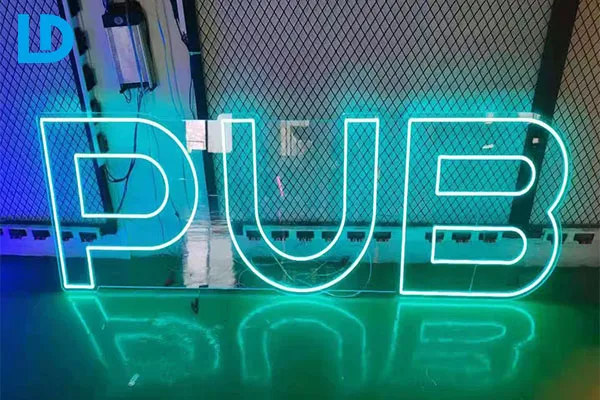
Modern neon-style lighting solutions are engineered to withstand these challenges while maintaining consistent brightness and visual appeal. A well-designed custom outdoor neon sign is built with protective technologies that ensure long-term stability in changing climates.
A high-quality custom outdoor neon sign is specifically designed to resist environmental stress while delivering strong visual performance in both harsh and mild weather conditions.
How Rain Affects Outdoor Neon Signs
Rain is one of the most common environmental challenges for outdoor signage. Water exposure can lead to electrical damage, reduced brightness, or complete system failure if protection is insufficient.
To withstand rainy conditions, modern signage systems use:
- Fully sealed LED enclosures
- Waterproof connectors and wiring systems
- IP-rated protective housings
- Silicone-sealed edges to block moisture entry
These features prevent water from reaching sensitive electrical components and ensure stable operation even during heavy rainfall.
Proper installation also plays a role, as positioning signage away from direct water flow paths helps reduce long-term exposure risks.
Heat Resistance and High-Temperature Performance
High temperatures can affect both the electrical and structural components of outdoor neon signage. Excess heat may reduce LED efficiency, shorten lifespan, or cause material deformation over time.
To ensure heat resistance, manufacturers use:
- Low-heat LED technology for efficient energy use
- Heat-dissipating backing materials such as acrylic
- UV-resistant coatings to reduce sun damage
- Stable power supplies that regulate voltage output
These features help maintain consistent brightness even in prolonged exposure to sunlight and hot climates.
In regions with extreme heat, proper ventilation behind the sign can further improve long-term performance.
Humidity and Moisture Control in Neon Signage
Humidity presents a unique challenge because moisture can accumulate gradually and affect internal components without immediate visible damage. Over time, this can lead to corrosion, fogging, or electrical instability.
To combat humidity, modern signage systems include:
- Moisture-resistant insulation materials
- Sealed internal wiring channels
- Anti-corrosion coatings for metal components
- Protective junction boxes for electrical connections
These safeguards ensure that even in highly humid environments, the sign continues to operate reliably without degradation in performance.
Importance of Waterproof and Weatherproof Design
Weatherproofing is essential for maintaining long-term durability across all environmental conditions. A properly engineered system ensures that rain, heat, and humidity do not compromise functionality.
Key weatherproofing elements include:
- IP-rated sealing standards for water resistance
- Durable silicone or PVC protective casings
- UV-resistant outer layers for sun exposure
- Reinforced mounting systems for structural stability
Together, these features create a robust system capable of withstanding continuous outdoor exposure.
Installation Factors That Improve Durability
Even the most durable signage can fail if installed incorrectly. Proper installation ensures that environmental stress does not concentrate on vulnerable areas.
Best practices include:
- Avoiding direct exposure to roof runoff or drainage paths
- Ensuring secure sealing at all cable entry points
- Mounting signs at stable, vibration-free locations
- Using weather-resistant brackets and fasteners
Correct installation significantly extends the operational lifespan of outdoor neon signage.
Maintenance for Long-Term Environmental Protection
Regular maintenance helps preserve durability in challenging climates. Routine checks allow businesses to identify early signs of wear before they become serious issues.
Recommended maintenance includes:
- Inspecting seals and waterproof joints periodically
- Cleaning surfaces to prevent dust and moisture buildup
- Checking electrical connections for corrosion or loosening
- Verifying consistent brightness across the entire sign
Preventive maintenance ensures stable performance in all weather conditions.
Conclusion
Durability in rain, heat, and humid environments is essential for any outdoor signage investment. Modern neon-style systems are engineered with advanced waterproofing, heat resistance, and moisture control technologies to ensure long-term reliability.
By selecting a well-designed custom outdoor neon sign and ensuring proper installation and maintenance, businesses can achieve consistent visibility and performance regardless of environmental challenges. This makes outdoor neon signage a dependable solution for year-round branding in diverse climates.