


Food packaging plays a critical role in preserving product freshness, ensuring safety, and maintaining consumer trust. Materials used in this sector must meet strict hygiene standards while also delivering functional performance such as durability, transparency, and processability. As the industry evolves, polymer-based films have become increasingly important due to their versatility and compliance potential.
Among these materials, PETG has gained attention for its combination of clarity, strength, and suitability for thermoforming applications. It is widely used in packaging structures where visibility and protection are both essential. However, in food-related applications, safety and regulatory compliance are just as important as performance characteristics.
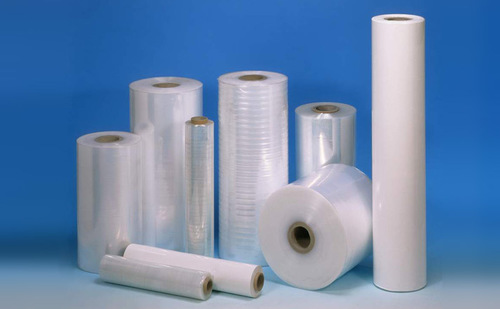
In modern packaging systems, manufacturers must carefully evaluate material properties and regulatory approvals before selection. One commonly used option is PETG film, which is valued for its transparency, impact resistance, and suitability for food-contact packaging applications when properly certified and processed.
Why PETG Film Is Considered for Food Packaging
PETG is widely used in packaging because it offers a balance of physical performance and optical clarity. In food packaging, these characteristics help improve both functionality and consumer appeal.
Its key advantages include:
- High transparency for product visibility
- Strong impact resistance for safe transportation
- Good thermoformability for custom packaging shapes
- Compatibility with sealing and printing processes
These features make PETG suitable for packaging applications where presentation and protection must work together.
Food Safety Characteristics of PETG Film
Food packaging materials must not transfer harmful substances to food products. PETG is generally regarded as safe for food-contact applications when produced under regulated conditions and compliant with relevant standards.
Key safety-related properties include:
- Low migration potential when properly manufactured
- Chemical stability under normal storage conditions
- Resistance to moisture and common food substances
- Odorless and tasteless material behavior
These characteristics help ensure that PETG does not negatively affect food quality or safety during storage and distribution.
Regulatory Compliance Requirements
In food packaging, regulatory compliance is essential. PETG film must meet specific standards depending on the region of use. These regulations typically focus on material composition, migration limits, and safety testing.
Common regulatory frameworks include food contact material regulations in major markets such as Europe and North America. Compliance typically requires:
- Testing for overall and specific migration limits
- Verification of raw material safety
- Certification for food-contact use
- Traceability of production processes
Manufacturers must ensure that PETG films used in food packaging are properly certified to meet these requirements.
Barrier Properties and Food Preservation
While PETG is not primarily a high-barrier material compared to specialized multilayer films, it still provides adequate protection for many food applications. It helps maintain product integrity by offering resistance to moisture and physical contamination.
Its clarity also allows consumers to inspect food products easily, which enhances trust and purchasing confidence. In combination with other packaging layers, PETG can contribute to extended shelf life and improved product presentation.
Thermoforming in Food Packaging Applications
One of the most important advantages of PETG in food packaging is its excellent thermoforming capability. It can be easily shaped into trays, containers, and clamshell packaging that fit specific food products.
This makes it suitable for:
- Fresh produce packaging
- Bakery containers and trays
- Ready-to-eat meal packaging
- Delicatessen and retail food packaging
Its ability to maintain clarity after forming ensures that food products remain visually appealing on store shelves.
Printing and Branding Compatibility
PETG film supports high-quality printing, allowing manufacturers to incorporate branding, nutritional information, and product details directly onto packaging surfaces. This is important in food packaging, where labeling requirements and marketing presentation must coexist.
Common printing methods include UV and digital printing, both of which provide durable and clear results on PETG surfaces.
Sustainability Considerations in Food Packaging
Sustainability is becoming increasingly important in the food packaging industry. PETG contributes to this trend through its recyclability in certain waste streams and its efficient processing characteristics.
It requires relatively low forming temperatures, which can reduce energy consumption during manufacturing. Additionally, its durability can help reduce packaging waste by improving product protection and reducing damage during transport.
However, recyclability depends on local infrastructure and proper sorting systems, which must be considered in sustainability planning.
Limitations and Considerations
While PETG offers many advantages, it is important to understand its limitations in food packaging applications. It does not provide the same level of oxygen or gas barrier performance as specialized multilayer materials.
For highly sensitive food products requiring extended shelf life, PETG is often used in combination with other barrier materials rather than as a standalone solution.
Conclusion
PETG film is a widely used material in food packaging due to its clarity, strength, and versatility. When properly manufactured and certified, it meets important safety and regulatory requirements for food-contact applications.
Its thermoforming capability, visual appeal, and processing efficiency make it a practical choice for a wide range of food packaging solutions. As the industry continues to evolve, PETG remains a valuable material that balances performance, safety, and sustainability considerations in modern food packaging systems.