


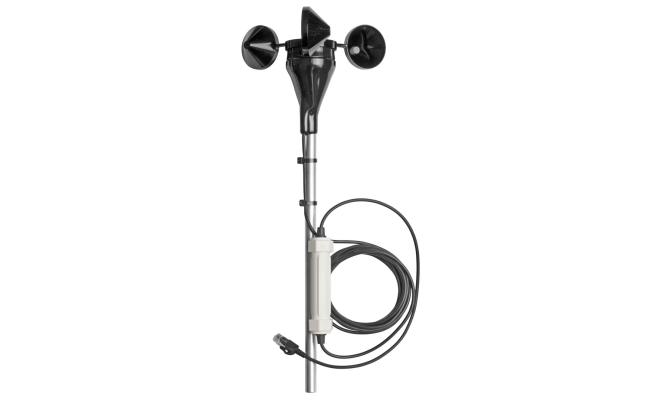
Accurate wind measurement is crucial for a wide range of industrial and environmental applications. From optimizing wind energy production to ensuring workplace safety in industrial facilities, the ability to monitor airflow precisely can have significant operational and safety benefits. Selecting the right Wind Speed Sensor is essential to meet the specific needs of each application while ensuring reliable and consistent performance over time.
A Wind Speed Sensor measures the velocity of moving air and converts it into usable data for monitoring, analysis, and decision-making. Advanced sensors, such as the Wind Speed Sensor from Rika Sensor, are designed to provide high-precision measurements under diverse environmental conditions. These devices are widely used in industries including renewable energy, aviation, environmental research, and manufacturing, where accurate wind information is critical for safety, efficiency, and operational optimization. Choosing the right sensor involves understanding the types of sensors available, the environmental conditions they will face, and the specific data requirements of the application.
Types of Wind Speed Sensors
Cup Anemometers
Cup anemometers are among the most widely used wind sensors in both industrial and environmental applications. They consist of rotating cups mounted on a vertical axis that spin as wind passes through them. The rotational speed of the cups is directly proportional to wind velocity, and this motion is converted into an electrical signal for measurement. Cup anemometers are durable, reliable, and well-suited for long-term outdoor installations, making them ideal for meteorological stations, wind farms, and industrial airflow monitoring.
Vane Anemometers
Vane anemometers combine a rotating propeller with a directional vane to measure both wind speed and direction. The propeller measures airflow, while the vane aligns the sensor with the wind to provide accurate directional readings. These sensors are particularly useful in industrial environments where wind direction impacts operational safety, such as chemical plants, manufacturing facilities, and HVAC systems.
Ultrasonic Anemometers
Ultrasonic anemometers use ultrasonic sound waves to measure wind speed and direction without moving parts. The sensor sends pulses between transducers, and the time it takes for the pulses to travel is affected by airflow. By measuring these differences, the sensor calculates both speed and direction accurately. Ultrasonic anemometers are highly precise, resistant to wear, and suitable for harsh environments, making them ideal for offshore wind farms, environmental research, and critical industrial monitoring.
Hot-Wire Anemometers
Hot-wire anemometers detect airflow based on changes in temperature and electrical resistance in a heated wire. Air moving past the wire cools it, and the rate of cooling is proportional to wind speed. These sensors are highly sensitive and capable of measuring very low airflow speeds. They are commonly used in laboratory studies, ventilation system testing, and applications that require fine resolution airflow monitoring.
Key Considerations When Choosing a Wind Speed Sensor
Environmental Conditions
The sensor must withstand the environmental conditions in which it will operate. Outdoor installations require sensors that are resistant to rain, dust, snow, and extreme temperatures. Industrial environments may expose sensors to chemical vapors, high humidity, or vibration. Selecting a sensor with the appropriate durability and protective features is essential for long-term reliability.
Accuracy and Response Time
The accuracy required depends on the application. Wind farms and meteorological stations need highly accurate sensors to optimize energy production and forecast weather conditions. Industrial safety applications may prioritize sensors with a fast response time to detect sudden gusts or changes in airflow that could affect operations. Understanding the necessary precision and responsiveness ensures the chosen sensor meets operational requirements.
Integration and Data Output
Modern wind speed sensors often integrate with digital monitoring systems, data loggers, and IoT platforms. Consideration should be given to compatibility with existing systems, data formats, and remote monitoring capabilities. Some sensors offer analog output, while others provide digital signals that can be processed in real-time for automated control systems. Integration capabilities affect both usability and the ability to analyze long-term wind trends effectively.
Maintenance and Calibration
Regular maintenance and calibration are essential to maintain sensor accuracy. Sensors with moving parts, such as cup or vane anemometers, may require cleaning and lubrication, while ultrasonic and hot-wire sensors may need periodic verification against reference standards. Choosing a sensor that is easy to maintain reduces downtime and ensures reliable long-term operation.
Applications in Industry and Environmental Monitoring
Wind speed sensors have diverse applications across multiple sectors. In renewable energy, they are used to optimize wind turbine performance, predict energy output, and assess site suitability. In industrial settings, they ensure safety by monitoring airflow in chemical plants, factories, and warehouses. Environmental researchers use wind speed sensors to study climate patterns, pollutant dispersion, and ecosystem interactions. Accurate airflow measurement supports informed decision-making, safety, and efficiency across these applications.
Conclusion
Selecting the right Wind Speed Sensor for industrial or environmental use requires careful consideration of sensor type, environmental conditions, accuracy, integration capabilities, and maintenance requirements. Whether used for wind energy optimization, industrial safety, or environmental research, the right sensor provides reliable, precise, and real-time data critical for decision-making and operational efficiency. By understanding the specific needs of the application and the capabilities of different sensors, organizations can ensure accurate airflow monitoring and long-term performance.