


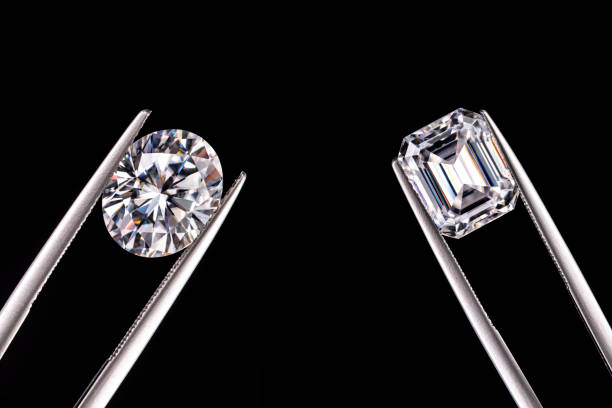
Lab grown diamonds are becoming a popular choice among modern buyers who want the beauty of real diamonds without the high cost and environmental concerns associated with traditional mining. As technology continues to evolve, these diamonds are now widely used in jewelry and are recognized for their quality and value. This article explains the meaning of lab grown diamonds, their key benefits, and how they compare in terms of value.
What Are Lab Grown Diamonds?
Lab grown diamonds are real diamonds that are created in a laboratory using advanced scientific methods. They have the same chemical composition, crystal structure, and physical properties as natural diamonds. The only difference is that natural diamonds form deep within the Earth over millions of years, while lab grown diamonds are produced within a few weeks in controlled environments.
How Are Lab Grown Diamonds Made?
There are two primary methods used to create lab grown diamonds. The High Pressure High Temperature method replicates the natural conditions under which diamonds form by applying extreme heat and pressure to carbon. The Chemical Vapor Deposition method involves placing a diamond seed in a chamber filled with carbon-rich gases, allowing the diamond to grow layer by layer. Both methods produce high-quality diamonds that are visually identical to natural ones.
Key Benefits of Lab Grown Diamonds
One of the biggest advantages of lab grown diamonds is affordability. They are typically priced lower than natural diamonds of similar size and quality, making them accessible to a wider range of buyers. This cost-effectiveness makes them especially appealing for those who want luxury without overspending.
Another major benefit is sustainability. Lab grown diamonds do not require extensive mining, which reduces environmental damage and energy consumption. This makes them a preferred option for environmentally conscious consumers.
Lab grown diamonds also offer excellent quality. Because they are created in controlled conditions, they often have fewer inclusions and better clarity. This results in diamonds that are visually appealing and consistent in quality.
Understanding the Value of Lab Grown Diamonds
The value of lab grown diamonds is often measured in terms of cost, quality, and practicality. While they may not hold resale value in the same way as natural diamonds, they provide significant savings at the time of purchase. For many buyers, this immediate value outweighs long-term investment considerations.
In addition, lab grown diamonds offer great value for businesses. Retailers and wholesalers can benefit from consistent supply and lower pricing. Many suppliers now offer lab grown diamonds wholesale options, allowing businesses to maintain profit margins while delivering high-quality products to customers.
Lab Grown Diamonds vs Natural Diamonds
When comparing lab grown diamonds with natural diamonds, the main differences lie in origin and price. Both types of diamonds look identical and share the same level of durability. However, lab grown diamonds are more affordable and environmentally friendly, while natural diamonds are often valued for their rarity and traditional appeal.
Who Should Choose Lab Grown Diamonds?
Lab grown diamonds are ideal for buyers who want a balance between quality and affordability. They are also suitable for individuals who prioritize ethical sourcing and sustainability. Businesses looking to scale their operations can also benefit from sourcing lab grown diamonds wholesale to ensure consistent inventory and competitive pricing.
Final Thoughts
Lab grown diamonds are reshaping the diamond industry by offering a modern alternative to traditional diamonds. With the same beauty, durability, and quality, they provide excellent value for both individual buyers and businesses. Understanding their meaning, benefits, and overall value can help you make a smarter and more informed purchasing decision.