


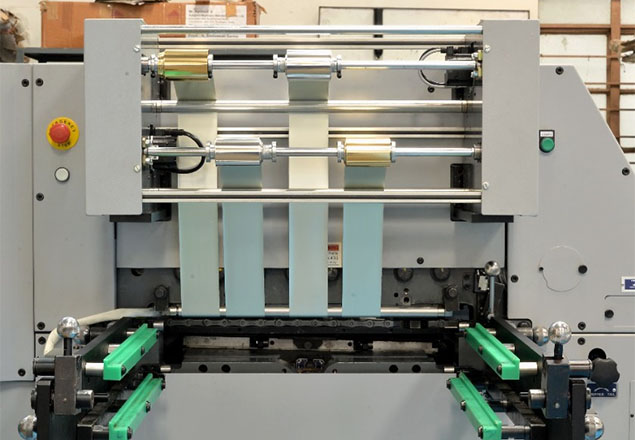
Businesses that want their products to stand out on shelves often rely on foil stamping to create a premium look. An automatic hot stamping machine is an industrial device used to apply metallic or colored foil onto surfaces such as paper, cardboard, leather, and plastic using heat and pressure. It enables manufacturers to produce sharp, elegant finishes quickly and consistently. From luxury packaging to book covers and labels, this technology allows companies to create visually striking products while maintaining high production efficiency.
In modern manufacturing environments, an automatic hot stamping machine plays a crucial role in delivering precision, speed, and consistency. Advanced systems combine heat control, pressure regulation, and automated feeding to ensure accurate foil application on various materials. Many manufacturers rely on reliable solutions like automatic hot stamping machine technologies to enhance production quality while reducing manual labor and operational errors.
Understanding Automatic Hot Stamping Technology
Hot stamping is a printing method that transfers foil or pigment onto a surface using heat and pressure. The process uses a heated metal die that presses foil against the material, leaving a decorative or branded impression.
Automatic machines take this process further by automating tasks such as sheet feeding, alignment, foil transport, and pressure control. This reduces the need for manual adjustments and significantly improves production speed.
Key components typically include:
- Heating system: Maintains the correct temperature for foil transfer.
- Stamping die: Creates the desired design or text impression.
- Foil feeding mechanism: Moves foil smoothly during the stamping process.
- Automation controls: Ensure precise positioning and consistent output.
Together, these elements make the stamping process efficient and reliable for large-scale manufacturing.
Why Automation Matters in Foil Stamping
Traditional manual stamping methods can be time-consuming and prone to inconsistencies. Automation addresses these issues by introducing precise control and higher productivity.
Here are several reasons why automated stamping machines are becoming the preferred choice in packaging and printing industries.
Increased Production Speed
Automated systems can process thousands of sheets per hour. This high-speed capability helps manufacturers meet large production demands without compromising quality.
Consistent Quality
Automation ensures that each stamped design is identical. Temperature, pressure, and alignment remain controlled throughout the production process, reducing variations.
Reduced Labor Costs
Since the machine handles feeding, stamping, and foil movement automatically, fewer operators are required. This lowers operational expenses while maintaining efficiency.
Improved Precision
Advanced sensors and digital controls help align materials accurately, minimizing errors and waste.
Industries That Benefit from Automatic Hot Stamping
Hot stamping technology is widely used across several industries because of its ability to create premium finishes.
Packaging Industry
Luxury packaging often uses metallic foil to highlight brand names, logos, and decorative elements. Perfume boxes, cosmetics packaging, and high-end product boxes frequently feature foil stamping.
Publishing and Printing
Book covers, certificates, invitation cards, and magazines use foil stamping to create elegant designs. The technique adds a professional and luxurious appearance to printed materials.
Label and Tag Production
Foil stamping enhances product labels and tags, making them more eye-catching. This is particularly valuable for fashion brands and specialty product manufacturers.
Leather and Textile Products
Hot stamping is also used to imprint designs or brand logos onto leather goods, such as wallets, handbags, and belts.
Key Features to Look for in an Automatic Stamping Machine
When selecting a stamping machine for industrial use, several features determine its performance and reliability.
Advanced Temperature Control
Maintaining the right temperature is essential for proper foil adhesion. Machines with digital temperature systems allow operators to adjust settings for different materials.
High Precision Registration
Precise alignment ensures that designs are stamped accurately on every sheet. Modern machines include sensors and automated positioning systems to achieve this.
Durable Construction
Industrial stamping machines must withstand continuous operation. High-quality materials and sturdy construction improve longevity and reliability.
User-Friendly Control Systems
Touchscreen interfaces and programmable controls simplify operation and allow operators to store production settings for repeated jobs.
Advantages for Modern Manufacturers
Automation in foil stamping does more than improve efficiency. It also helps businesses maintain competitive advantages in demanding markets.
Better Product Presentation
Foil stamping adds a premium appearance that attracts customers. This can significantly influence purchasing decisions, especially in luxury product categories.
Reduced Material Waste
Automated alignment and pressure control reduce misprints and damaged sheets. Less waste leads to lower production costs.
Greater Production Flexibility
Manufacturers can easily switch between different designs and materials. Adjustable settings allow machines to handle various projects without lengthy setup times.
Scalability for Growing Businesses
As production demands increase, automated machines allow companies to scale operations without dramatically increasing labor or resources.
Maintenance and Operational Best Practices
Even the most advanced machines require proper maintenance to ensure optimal performance.
Regular Cleaning
Dust and debris can interfere with machine components. Routine cleaning helps maintain precision and prolong equipment life.
Monitoring Temperature Settings
Operators should regularly check temperature levels to ensure proper foil transfer and prevent overheating.
Inspecting Stamping Dies
Over time, stamping dies may wear down. Inspecting and replacing them when necessary ensures clean, sharp impressions.
Scheduled Servicing
Periodic maintenance by trained technicians helps identify potential issues before they lead to costly downtime.
Future Trends in Foil Stamping Technology
As manufacturing technology evolves, hot stamping machines continue to improve. Several trends are shaping the future of this equipment.
Smart Automation
Integration with digital monitoring systems allows operators to track performance metrics and adjust settings in real time.
Energy Efficiency
Modern machines are designed to consume less energy while maintaining high productivity.
Multi-Process Integration
Some advanced machines combine foil stamping with other finishing processes, such as embossing or die-cutting, creating more efficient production lines.
Enhanced Precision with AI
Artificial intelligence and advanced sensors are beginning to optimize alignment, pressure, and speed automatically, further improving output quality.
Final Thoughts
Foil stamping remains one of the most effective ways to enhance product packaging and printed materials. With automation, manufacturers can achieve higher production speeds, consistent quality, and reduced operational costs.
An automated stamping system is not just a tool for decoration—it is a strategic investment for companies that want to deliver premium products efficiently. As technology advances, automatic foil stamping machines will continue to play a key role in modern printing and packaging industries, helping businesses create visually compelling products that stand out in competitive markets.