


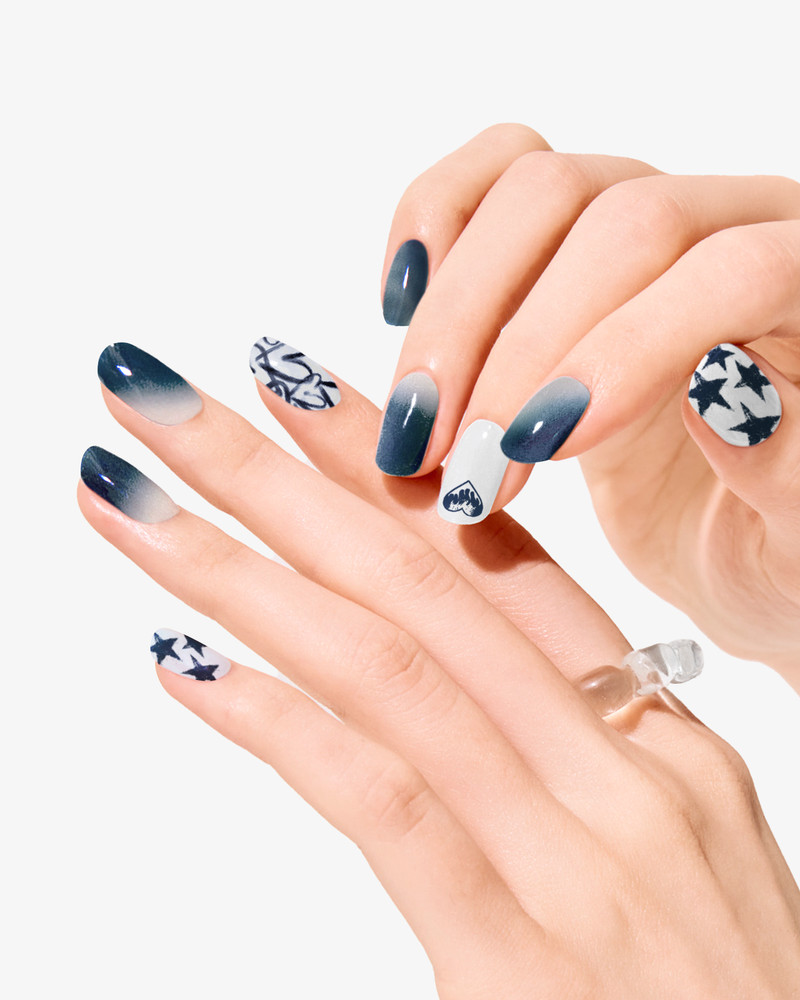
The nail industry has changed significantly in recent years. Customers are no longer choosing products only because a bottle looks attractive on a salon shelf. They increasingly care about color selection, application experience, finish, durability, branding, and the overall value a product provides.
This shift is creating new opportunities for Custom Gel Polish, particularly among beauty brands, salons, nail professionals, and retailers looking for products that feel more distinctive. Instead of relying entirely on generic collections, businesses can develop nail products around specific customer preferences and brand identities.
The growth of customized nail products is not simply about having more colors. It reflects a broader change in how beauty products are developed, marketed, and purchased. From social media trends to private-label manufacturing, several factors are contributing to this movement.
What Is Driving the Growth of Custom Gel Polish?
The modern nail market is highly competitive. Hundreds of shades and countless brands are available to consumers, making differentiation increasingly important.
A customized product line gives businesses more control over what they offer and how customers experience their brand.
Several factors are behind the growing interest.
Stronger Brand Differentiation
When multiple brands sell similar products, it can be difficult for customers to remember one company over another.
A distinctive gel polish collection can help solve this problem. Brands can develop recognizable color palettes, product names, finishes, packaging, and visual identities.
For example, a beauty company built around minimalist aesthetics might create a collection of soft beige, dusty rose, muted brown, and creamy white shades. Another brand targeting bold fashion customers could focus on vibrant colors, metallic effects, and seasonal launches.
The product becomes part of the brand story rather than simply another item in a catalog.
Consumers Want More Choice
Personal expression plays an important role in the nail industry.
Customers use manicures to reflect their mood, clothing, occasions, personal style, and current fashion interests. One customer may prefer understated nude shades, while another may want bright colors or dramatic effects.
This variety creates demand for broader and more carefully targeted collections.
However, there is a difference between offering more choices and offering better choices.
A successful brand does not necessarily need hundreds of shades. It needs colors that make sense for its target market.
Social Media Is Influencing Nail Trends
Platforms built around visual content have changed how nail trends spread.
A new color combination, finish, or nail-art style can attract attention quickly. Customers may see a manicure online and want to recreate something similar during their next salon appointment.
For brands, this creates opportunities for limited-edition collections and trend-focused product launches.
A manufacturer that can produce new shades efficiently can help a brand respond to changing consumer interests without rebuilding its entire product strategy from scratch.
Seasonal Collections Can Create Fresh Interest
Custom development also makes seasonal marketing easier.
A brand might introduce:
- Soft pastels for spring
- Bright shades for summer
- Earthy tones for autumn
- Deep reds and metallics for winter
- Glitter collections for holiday periods
- Romantic pink and red shades for special occasions
These collections give customers a reason to return and give businesses additional opportunities for marketing campaigns.
Private-Label Beauty Brands Are Expanding
Another important factor is the growth of private-label beauty businesses.
Entrepreneurs can build their own brands without operating a large manufacturing facility. Instead, they can work with specialized manufacturers that produce products according to agreed specifications.
This model can make it easier for smaller companies to enter the nail-care market.
A business may be able to focus on branding, product positioning, marketing, retail relationships, and customer service while its manufacturing partner handles production.
However, private labeling does not remove the need for quality control. Brands remain responsible for ensuring that their products meet the expectations and requirements of their target markets.
Customization Supports Niche Markets
One major advantage of custom product development is the ability to target specific groups.
A general nail polish collection attempts to appeal to a broad audience. A specialized collection can be created with a particular customer in mind.
For instance, a brand might focus on:
- Professional nail salons
- Independent nail technicians
- Bridal customers
- Minimalist beauty consumers
- Fashion-conscious shoppers
- Younger online audiences
- Luxury beauty buyers
- Nail-art enthusiasts
Each group can have different preferences.
A professional-focused collection may prioritize reliable application and consistent performance. A fashion-oriented collection might place greater emphasis on unusual colors and finishes.
Customization makes these differences easier to address.
Product Experience Matters as Much as Color
A beautiful color can attract a customer, but product performance influences whether they buy again.
When developing a gel polish collection, brands need to consider factors such as viscosity, pigmentation, application, curing requirements, finish, and wear characteristics.
Consistency Is Particularly Important
Imagine a salon using the same shade on several customers. If the formula behaves differently from one bottle to another, the nail technician may struggle to achieve consistent results.
For professional users, consistency can influence productivity as well as customer satisfaction.
This is why businesses should test samples carefully before approving larger production runs.
Better Color Development Can Strengthen a Brand
Color selection may appear simple, but it involves more thought than choosing attractive images from a digital catalog.
Lighting conditions, screen settings, application thickness, and the underlying nail surface can all affect how a color appears.
Physical samples are therefore important.
Brands should compare samples under different lighting conditions and evaluate whether the finished shade matches their intended visual identity.
Signature Shades Can Become Brand Assets
Some beauty brands become associated with particular colors.
A distinctive shade can be easier for customers to remember and easier for businesses to feature in social media campaigns, product photography, and promotional materials.
Giving signature colors memorable names can also strengthen product identity.
Instead of selling “pink number 14,” a brand might create a cohesive naming system connected to its overall concept.
Packaging Is Becoming Part of Product Customization
Customization does not stop with the formula.
Packaging is increasingly important because customers often encounter beauty products through photographs and short-form videos before purchasing them.
An attractive bottle can make a product more appealing in:
- Online stores
- Social media posts
- Influencer content
- Salon displays
- Beauty retailers
- Product photography
Brands can consider bottle shape, cap design, label placement, typography, color identification, outer boxes, and other presentation details.
The key is consistency. Packaging should look like it belongs to the same brand as the website, social media pages, and other products.
The Importance of the Brush
The brush is easy to overlook during product development, yet it has a direct effect on application.
A brush that provides good control can make it easier to apply an even layer, particularly around the edges of the nail.
Professional nail technicians may have strong preferences regarding brush shape, flexibility, width, and overall feel.
Testing the complete product—not just the formula in a container—is therefore essential.
Custom Products Can Support Better Marketing
A distinctive product gives marketers more material to work with.
Instead of creating generic campaigns around “new nail polish,” a brand can build stories around its collection.
For example:
Concept: A collection inspired by natural landscapes.
Colors: Sand, clay, olive, stone, rose, and sunset orange.
Marketing: Each shade receives a name and visual story connected to the collection.
The product and marketing strategy reinforce each other.
This can make campaigns feel more intentional and memorable.
Small-Batch Thinking Can Reduce Launch Risk
One misconception is that customization always means producing a huge collection.
For new brands, starting with a focused selection can sometimes be more practical.
Suppose a startup launches six carefully selected shades instead of 30. It can monitor sales, customer feedback, repeat purchases, and social engagement.
If two shades significantly outperform the others, future production can prioritize those preferences.
This approach can help reduce excess inventory and provide useful information for future product decisions.
Quality Control Remains Essential
The growth of custom gel polish does not mean every customized product will automatically be successful.
Quality control remains one of the most important parts of manufacturing.
Brands should evaluate samples for:
- Color consistency
- Formula texture
- Application
- Pigmentation
- Curing according to manufacturer instructions
- Packaging quality
- Brush performance
- Label accuracy
- Batch consistency
Manufacturers should also be able to communicate clearly about production procedures and relevant product documentation.
What Beauty Brands Should Ask Manufacturers
Before choosing a supplier, businesses should have a clear list of questions.
Ask about:
- Minimum order quantities
- Available formula options
- Custom color development
- Available finishes
- Sample approval procedures
- Packaging customization
- Production timelines
- Quality-control procedures
- Product documentation
- Repeat-order consistency
The answers can reveal whether a manufacturer is equipped for a long-term business relationship or simply focused on completing a single order.
Custom Gel Polish and the Future of Nail Products
The nail industry is likely to continue moving toward personalization and brand-specific product development.
Customers have more access to beauty information than ever before. They can compare products, watch application demonstrations, follow nail artists, and share their own manicure results.
That creates pressure for brands to provide products that are visually appealing and reliable in actual use.
Customization gives businesses a way to respond to these expectations.
It can also support faster experimentation. A brand can test a new color concept, introduce a seasonal collection, gather feedback, and use those insights when planning its next range.
Common Mistakes Brands Should Avoid
The growing popularity of custom gel polish can tempt businesses to move too quickly.
Ordering Before Testing
A product should not go directly from a manufacturer’s catalog to mass production without proper evaluation.
Focusing Only on Color
Color is important, but formula behavior, brush quality, curing instructions, packaging, and consistency matter too.
Selecting a Supplier Solely on Price
A low unit cost may become expensive if poor consistency results in returns, complaints, or wasted inventory.
Creating Too Many Products at Once
A smaller, focused collection can be easier to manage and market, especially for a new brand.
Ignoring the Target Customer
A collection should be designed around actual customer preferences rather than whatever colors happen to be trending at the moment.
A Practical Example
Consider a small salon brand that notices its customers repeatedly request neutral colors.
Instead of purchasing a generic collection with dozens of unrelated shades, the company creates a focused range of eight neutral colors. It tests the formulas with nail technicians, selects packaging that fits its minimalist identity, and launches the collection through its salon and online store.
After several months, sales data shows that three shades are particularly popular.
The company then develops additional colors around those successful tones.
This is a practical example of how customization can support gradual, evidence-based product development.
Final Thoughts
The growth of custom gel polish reflects a larger shift in the nail industry toward personalization, differentiation, and more thoughtful product development.
Beauty brands want products that represent their identity. Salons want reliable performance. Customers want attractive colors and a satisfying manicure experience. Retailers want products that stand out on the shelf and online.
Customization can bring these priorities together when it is approached carefully.
The best strategy is not simply to create as many colors as possible. It is to understand your audience, develop a coherent collection, test products thoroughly, choose a capable manufacturing partner, and build a product experience that customers can recognize and trust.
For beauty businesses planning their next nail collection, custom development can be a practical way to create something more distinctive while giving the brand greater control over its product identity and future growth.